

Not Herbs Nor Fruit Trees: There's A Tough Ground Cover Pollinators Love
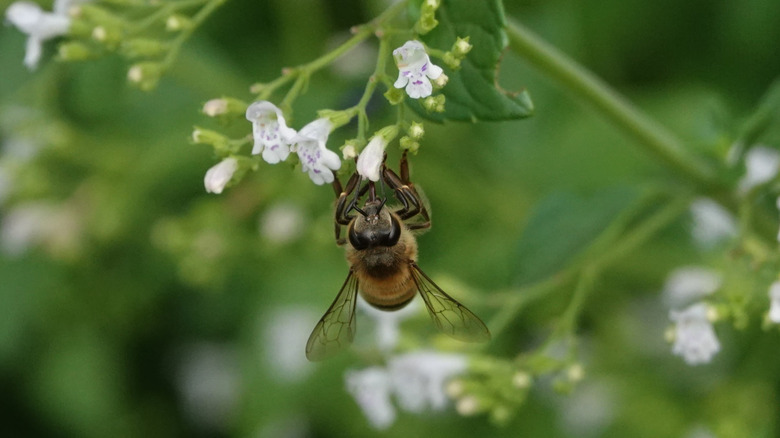
There are various ways to attract more pollinators to your yard and garden. For many people, the first pollinator-friendly plants that come to mind may be flowers, herbs, or fruit trees. These can make great additions to your landscaping while also attracting butterflies, bees, and other beneficial pollinators. However, with this durable ground cover, you can still create a pollinator haven for the beneficial animals you love while also covering the bare spots in your yard.
Also known as nepetella, lesser calamint (Clinopodium nepeta) is a fragrant plant in the mint family. It can grow up to two feet wide while remaining under two feet in height, and it's resistant to deer and rabbits. This makes it perfect for use in your yard as ground cover, especially since it can also tolerate poor, dry soil where other plants may fail to thrive. It blooms throughout the summer with delicate, light-colored flowers that attract a variety of pollinators
Although it is considered to be perennial, lesser calamint is short-lived, typically only lasting around four years. This is important to keep in mind if you plan on starting your own pollinator garden. You'll also want to keep in mind the specific care requirements needed to help this plant thrive as a pollinator magnet in your garden.
How to grow lesser calamint as a pollinator-friendly ground cover
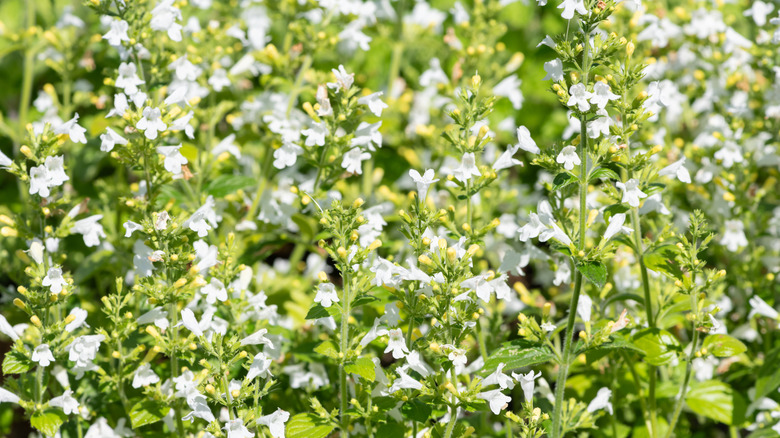
On the bright side, lesser calamint is a low-maintenance plant, meaning that you can spend less time tending to it in the garden and more time enjoying the various bees and butterflies it attracts. As a perennial, it's essential to brush up on your USDA growing zone to see if you can grow this plant as a ground cover. Lesser calamint is hardy in zones 5 through 7. It can also be grown in a container, allowing you to enjoy its flowers year after year through overwintering, even if your climate isn't ideal for growing it as a ground cover.
One thing to know about lesser calamint is that it prefers full sun for the most optimal growth. And, if attracting pollinators is your goal with this tough ground cover, then you'll want to aim for optimal growth to achieve as many flowers as possible. As a result, use this plant as ground cover in an area that receives ample sunlight during the day — at least six hours' worth. Planting it near a south-facing structure or in another sunny location can help it perform at its best. In some areas, it may be able to grow in partial sun as well.
If you want to encourage more blooms, you can deadhead your lesser calamint plant. By removing any lackluster or spent flower heads, the plant will be able to redirect energy back into producing more flowers, which means more opportunities to attract pollinators.