

Not A Herb, Not A Fruit Tree: The Edible Flowering Plant Pollinators Love
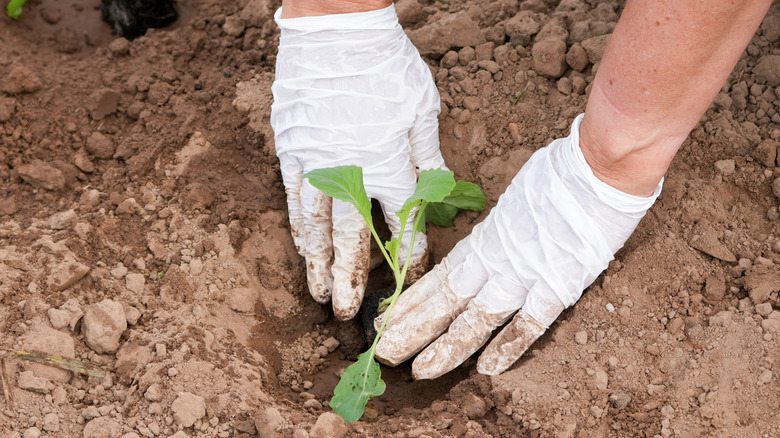
If you're trying to make the most of a small backyard, then you may be interested in cultivating a garden that serves more than one purpose. One of the best ways to do this is by creating a pollinator-friendly garden that also doubles as a food source. Of course, you aren't only limited to herbs and fruit trees when starting your own pollinator garden using edible plants — there's also this flowering plant that bees love.
When thinking about the types of plants that attract pollinators, beans likely aren't the first things to come to mind. However, fava beans (Vicia faba), also known as broad or faba beans, are a great choice for gardeners looking for a unique way to create a bee-friendly outdoor space. Fava beans are a popular choice for bees, as well as other beneficial insects like wasps and lady bugs, and the seeds and pods themselves are edible. Fava beans produce eye-catching clusters of white or purple flowers that eventually give way to seed pods. However, before they reach this stage, these flowers can serve as an interesting way to bring more pollinators to your yard and garden.
Like many other beans, fava beans are overall an easy to grow annual crop. They're also considered to be low-maintenance. However, low-maintenance doesn't mean maintenance-free, and if you're attempting to encourage both flowering and a healthy crop, you'll want to familiarize yourself with the optimal care routine.
How to grow fava beans for pollinators
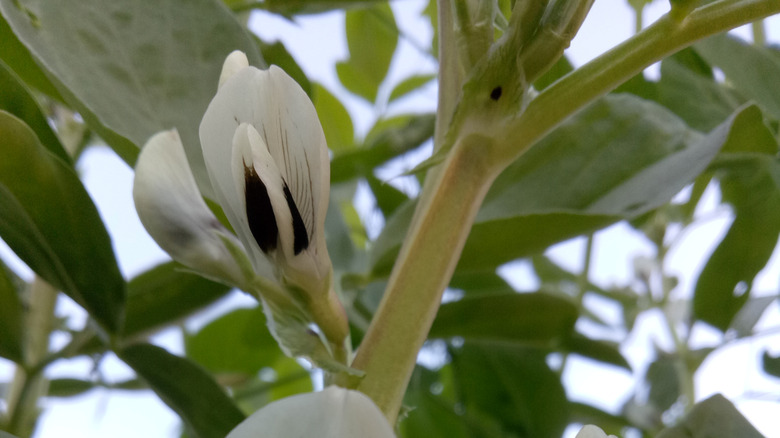
One of the most important factors to keep in mind when growing fava beans is their need for water. Fava beans do have some level of tolerance for drought, but they overall prefer a consistent watering routine. This is especially true while they're flowering, which is the time when you'll be able to attract the most pollinators. If exposed to drought or arid conditions during this time, you may experience dropping flowers and beans that fail to meet their potential. As a result, while you want to give them ample drainage to prevent soggy, waterlogged conditions, providing them with around 1 inch of water each week can help them truly thrive in your garden rather than just survive.
If you're prepared to create a consistent watering routine for your fava beans, the next step is ensuring they receive enough sunlight. Although it can be tempting to grow fava beans on a shaded porch so you can enjoy the fragrant flowers they produce in the spring or summer, you want to choose a spot in your yard that receives plenty of sunshine. Fava beans grow best when offered full sun conditions, which means at least six hours of sunlight each day.