

Not Hydrangea, Not Salvia: The Purple Summer-Bloomer That Pollinators Love
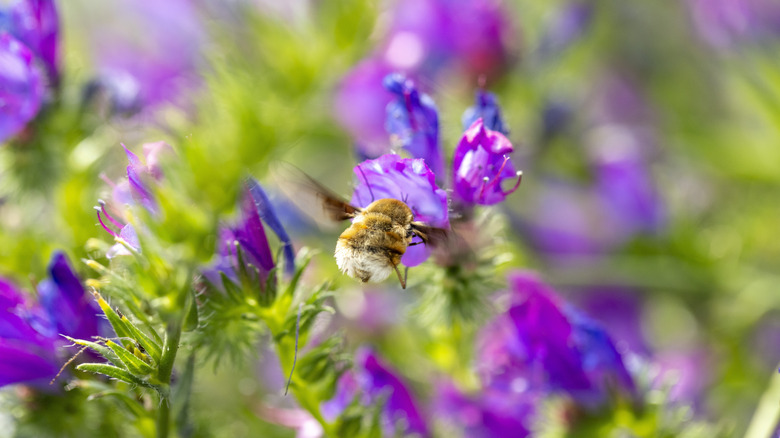
If you're looking for ways to bring more pollinators into your yard and garden, it makes sense to add colorful flowering plants rich in nectar like hydrangeas and salvia. If a pollinator-attracting plant also grows quickly and is easy to care for, you may feel you've hit the jackpot. Introducing Moldavian dragonhead (Dracocephalum moldavica): a gorgeous annual herb with purple flowers resembling dragon heads that meets those criteria and more. Beloved by pollinators, the plant is a significant producer of high sugar-content nectar, with sucrose content falling into the 50% to 65% range that bees prefer.
Among its other qualities, Moldavian dragonhead blooms all summer and self-seeds prolifically. It's one of the fast-growing herbs that turn your garden into a butterfly paradise. Among its most charming attributes is a delightful citrusy lemon fragrance. Give it a place on the list of fragrant herbs that'll make your patio smell good all summer, right next to similar smelling lemon balm. Moldavian dragonhead's leaves are also used for tea or even as an additive in snack foods, and its essential oils may possibly have bio-herbicidal properties that could help suppress weeds.
Consider planting easy-to-grow Moldavian dragonhead for pollinators and fragrance
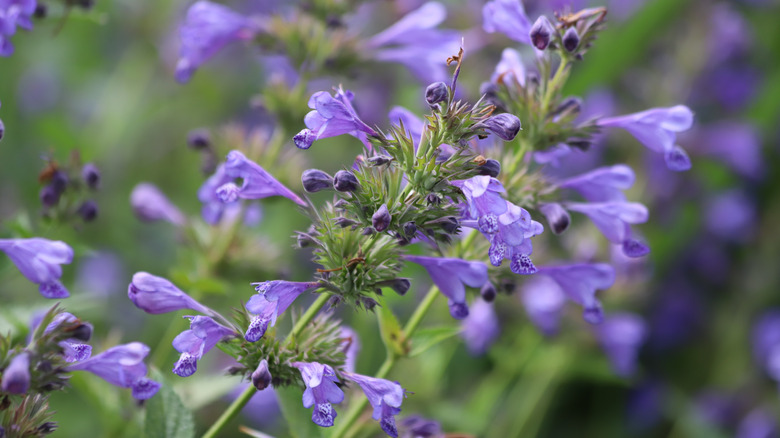
Easy care for Moldavian dragonhead begins two weeks before the last frost as you sow seeds in well-draining moist soil of virtually any type. Because germination of the seeds requires light, don't cover them; just press them carefully into the soil. Sow in a spot with full sun or partial shade, and keep the soil well-watered. Your Moldavian dragonhead will grow to about 18 inches tall.
Expect blooms about 80 days after planting, and deadhead them to keep the flowers coming. If you're interested in harvesting flowers and leaves for tea or other uses, do so as flowers begin to open and cut off up to 6 inches of flowering stem. Keep the cycle going next year by letting some of the plants go to seed late in the season so you can collect and save the seeds. Moldavian dragonhead has no known pest or disease issues.