

5 Lamps That Defined '80s Homes
We may receive a commission on purchases made from links.
In the 1980s, the typical decor was bold and loud, and the lighting choices from that decade are a perfect example of that aesthetic. Although the '80s were not defined by just one overarching aesthetic, the general theme was bright, saturated colors and unique designs. Some of the home decor items and features you only saw in the '80s included geometric furniture pieces, brassy metal decorative items, and neon signs. Some very notable design trends trace back to the '80s, which is not surprising for a time period nicknamed the "Designer Decade."
But when it comes to lamps that defined '80s homes, some of the most iconic were from the Art Deco revival movement and the Memphis design trend. These two styles gave homes two fresh, yet very different looks. Other lamp designs focused on new technologies, like fiber optics and touch-sensitive materials. These types of lamps were trendy at the time and still could be a fun decor choice for your home nowadays. Whether you want to add more '80s decor to your space or simply feel like reliving the glory days, these are some of the lamps that defined the decade.
Fiber optic lamps
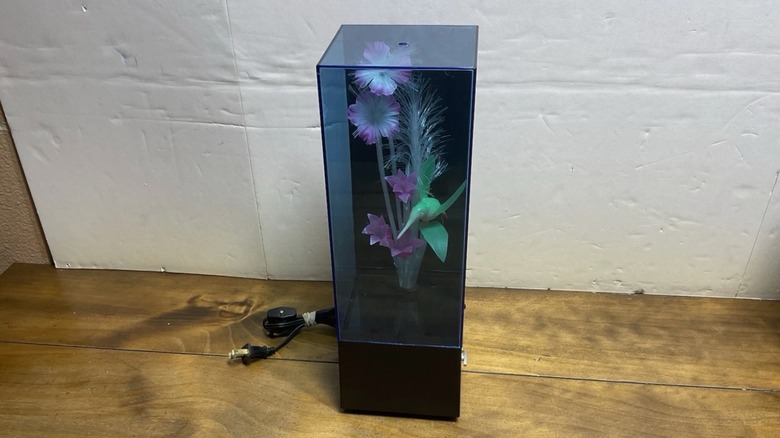
Everyone owned fiber optic lamps in the 80s, now you can find them at the thrift store. Fiber optic lamps worked with strands of glass fiber material that would light up when turned on instead of a light bulb. A highlight of fiber optics lamps in the '80s was their color-changing ability. Many popular fiber optics lamps also rotated on a base to create an interactive, entertaining experience.
One of the most iconic types of fiber optic lamps was the Fibreglass Flower Kitsch Table Lamps, produced beginning in the '70s. These elaborate lamps remained popular into the 1980s, with various types created over the years. The basic look came with a black base with fiberglass flower arrangement resting on top inside a clear plastic cover that served as a window. Each lamp could change colors for a light show display and typically stood a little over 1 foot tall.
Art Deco revival lamps
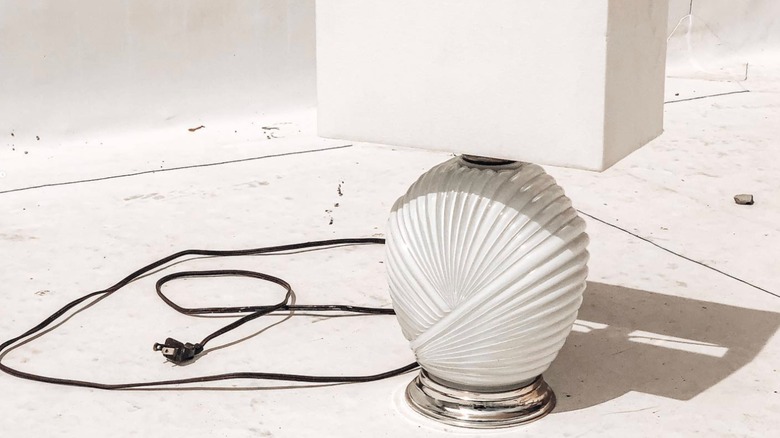
Lovely shapes and glamorous materials defined the Art Deco revival in the 1980s. One of the goals of this design movement sought to showcase the elegance of the 1920s and 1930s. It latched onto themes of wealth, status, and beauty, all wrapped into one. Some of these lamps had designs with brass or gold finishes to add to the idea of luxury and charm.
Some of the more notable lamps in this particular style have very specific designs, like Pink Flame Art Deco Lamps. These lamps resembled a flared bird wing or a flame reaching toward the sky with a large, curved ball in the center reminiscent of a clam. The fierce yet refined curves are what truly sets these lamps apart from others. When thrifting, keep your eyes peeled for lamps with ceramic bases featuring elegant swoops and deliberate symmetrical styles. Other key details include opulent materials and gold-toned finishes.
Postmodern Memphis style lamps
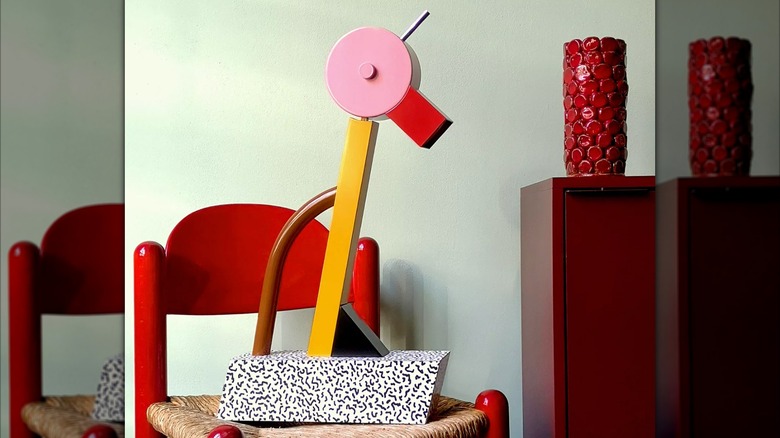
Memphis design originated in Italy, and it made a big splash in 1980s interior design. This movement was very postmodern, incorporating many unexpected bold patterns, colors, and shapes. When it came to lamps, many of the unique geometric shapes and asymmetrical forms in the '80s came out of this movement. Examples include abstract lamps like the Tahiti design by Ettore Sottsass, which looked like a toy turned into a lamp with bold, saturated colors.
Lamps produced in the Memphis style were always playful and set apart from the rest. Most designs went beyond what you would typically expect out of a lamp design, which makes them still a great novelty for contemporary interior design. Using a vintage Memphis-style lamp in your home is a great way to incorporate Memphis design in your space. If you find a genuine Memphis lamp, it can be a statement piece wherever you use it.
Industrial-inspired lamps
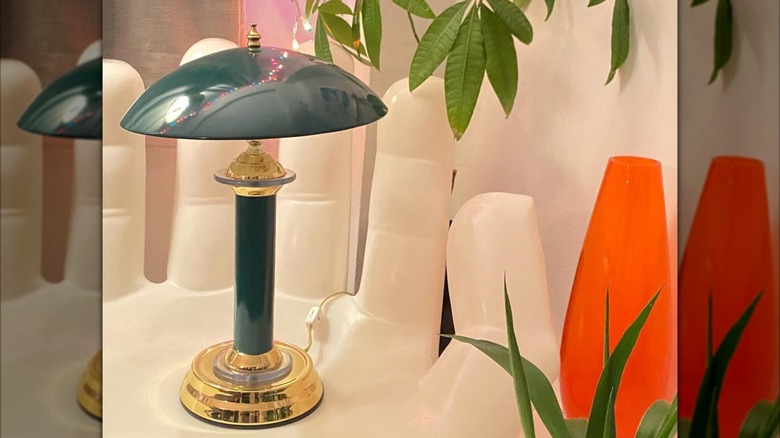
Lamps that incorporated industrial or technological themes, especially those using metal and glass materials with futuristic designs, were popular in the 1980s. Some designs were extremely minimalist, including ones that featured exposed lightbulbs and intricate metal frameworks. Many industrial lamps designs were of the Bauhaus style, with bold mushroom-shaped shades with a vaguely UFO-like look. As the world entered a period of improved technology, these types of decor choices matched the move towards the computer age.
When you think of '80s industrial lamps, imagine lots of chrome and stainless steel with clean, sleek lines instead of the gentle curves of the Art Deco Revival style. One particularly apt example of this design choice is the Elise lamp, designed by Pablo Pardo. This tall lamp is a long, cylindrical shape with an aluminum base with a frosted acrylic diffuser where the light comes out. This style is still sold today and comes in a variety of sizes, including a design for a tabletop and the floor.
Touch lamps
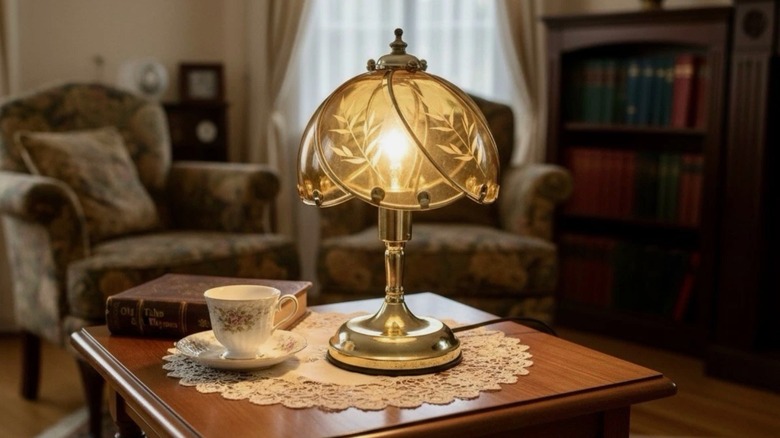
The creation of touch-sensitive lamps predates the '80s, but they really became popular in that decade with improved technological ability. Rather than relying on a common button or switch, you simply have to tap the base of the light to turn it on. Touch lamps came in a variety of styles, ranging from simple geometric shapes with mushroom shades to ornate Hollywood Regency revival selections with floral patterns. Overall, the main driving force behind touch lamp popularity was the desire for convenience.
In the '80s, touch lamps were used to make your lamp on your desktop or bedside more functional. While you can still purchase touch lamps created in the contemporary market, many options with a distinct '80s vibe can be found at thrift stores or in vintage resale shop. Many touch lamps even allow you to adjust their brightness with several dimmer options to give you optimal lighting at all times.