

Water On The Outside Of Your Windows Isn't A Bad Thing

As the saying goes, windows are the eyes of a home. They provide natural light, allow for ventilation, and, when working properly, help regulate indoor temperatures. But they don't last forever. It's important to know how long your home's windows will last and what signs indicate they need to be replaced before planning an upgrade. One telltale sign of window trouble you may have been told to look out for is condensation. When condensation forms between the panes, it can point to seal failure, and when there's constant condensation on interior windows, your home is at a higher risk of mold. But water on the outside of the glass is a different story. In fact, it's a strong signal that your windows are doing their job of slowing heat transfer.
Windows aren't exactly cheap, so it's a good idea to keep an eye out for potential problems and address them as they arise. To help your windows last longer, keep up with maintenance tasks such as inspecting the frames and panes a couple of times each year, maintaining weatherproofing, and cleaning the glass regularly. A little attention can go a long way in preventing premature replacements.
Why you shouldn't worry about condensation on the outside of your windows
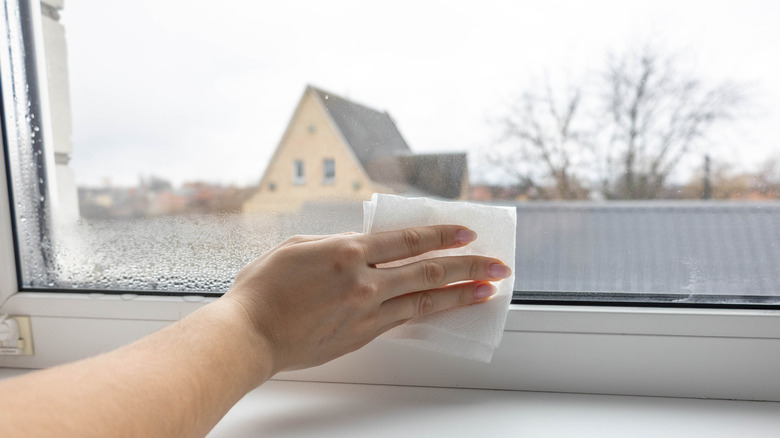
Condensation forms when warm, humid air comes into contact with a cool surface, such as the glass on your windows. During the winter, when it's cool outside but warm inside, you might notice a bit of condensation forming on the inside of your windows, often indicating that your indoor humidity is a bit too high. If this happens often, it's a clear sign that it's time to dehumidify your home. The opposite can occur during the summer months. The air may be warm and muggy outside, and when it meets windows cooled by your air conditioning, droplets of condensation can form on the outer panes. This is simply dew and is most likely to appear in the early morning before evaporating as temperatures rise.
If you spot condensation or dew on the outside of your windows, there's no need to worry. It signals that your windows are effectively keeping the summer heat from flowing into your home, just as you'd want them to. The bigger worry is condensation forming between the panes of glass. This may indicate that a window seal has failed, potentially reducing energy efficiency and requiring repair or replacement At the very least, having an inspection performed to identify the root cause of the issue could be a smart idea.