

Not Egg Shells Or Coffee Grounds: The Overlooked Scrap To Feed Your Roses
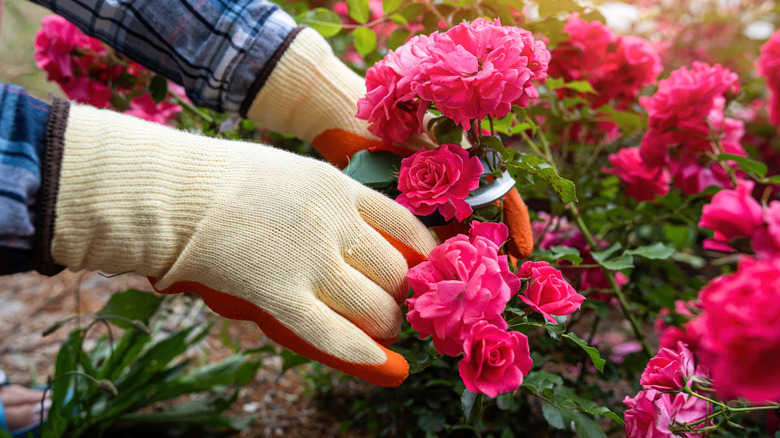
Roses (Rosa sp.) are wonderful flowers to plant in your garden, as they come in many different colors and varieties that all look absolutely stunning. Getting them to grow, though, may be a bit of a problem. They can be a bit dramatic and not bloom like you want them to. If you're looking to give your roses a boost and amend their soil, using a bit of tea is the answer. And no, we don't mean the DIY fertilizer teas you can make to nourish your garden. This method just uses regular old tea bags you already have lying around in your kitchen. It works because many teas include tannins, which are a natural way to increase the acidity of your soil — perfect for roses.
Sure, coffee grounds have tannins in them as well and are an excellent addition to compost, but too much of it directly in your soil can cause it to get compacted and stay far too moist. Meanwhile, eggshells are great if your plants need more calcium, but for roses, they can decrease the acidity, which is the opposite of what you want to do.
In addition to increased acidity from the tannins, teas also provide a bit of nitrogen and potassium, both of which are essential for flower growth. To give your roses these nutrients, you can throw your tea leaves directly into the soil, add them to your compost, or give your plants brewed tea after it cools down.
How to use tea bags to help improve your roses' soil
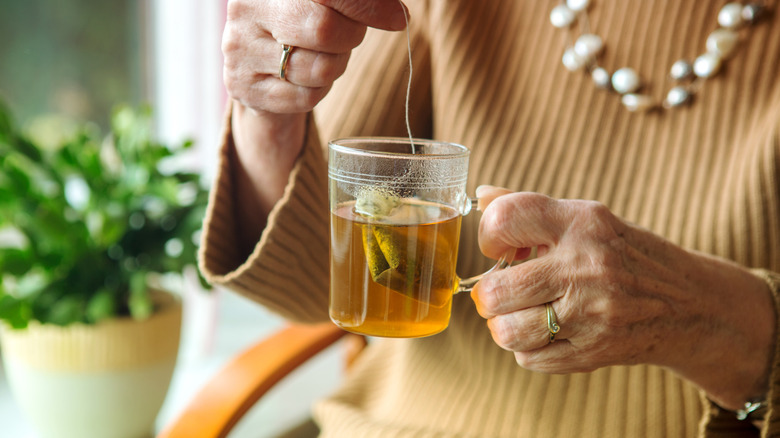
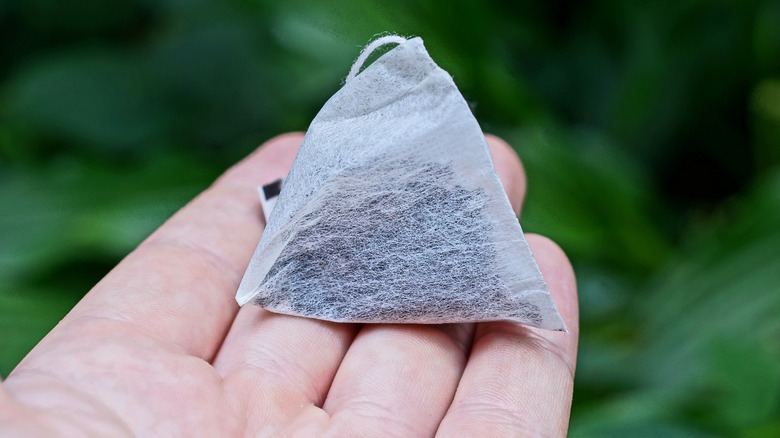
While you can use the leaves in your tea bags, you don't always want to use the bag itself. There are some compostable options available on the market. However, the majority of them are not. They are often made with plastic, which isn't good for your soil. So, you want to think twice before using tea bags in your compost or your rose bushes. If you have a compostable one, all you need to do is throw a new or used tea bag just a little under the soil. When you water, it releases the tannins.
If you don't have compostable tea bags, all is not lost. Simply cut off the top of your tea bag, and dump the leaves directly onto the soil, pressing down or burying them slightly to keep them in place. You may want to set it out to dry for a little bit, so the leaves are easier to get out and don't stick to the bag.
While tea is a great addition to the soil, it isn't a full nutrient profile. You still need to include other micronutrients, which is where compost can come in handy. You also don't want to use too many tea bags at once. Tea leaves, in addition to tannins, contain caffeine, which can decrease plant growth. One or two bags around a rose bush once a month is more than enough. You can compost the rest.
Tips for getting the best results out of your tea bags
If tannins are your goal, you may want to stick with actual tea leaves from the Camellia sinensis plant. This includes black, Pu-erh, oolong, green, and white. The first three teas have the most tannins, as the aging process increases the concentration. Herbal drinks with dried ingredients like blackberries, mint, blueberries, cocoa, and pomegranates will also have a fair amount of tannins. However, the actual strength depends on how many dried fruit pieces are in each bag. Additionally, some herbal teas just don't have enough to be of any use. For example, you can use chamomile tea in your garden to fight off diseases and pests, but if you're looking for tannins, the amount it contains is on the lower end.
Another tip is to use slightly warmer temperatures when watering your roses after you add tea bags. While cold water can release tannins from your tea, it's not going to be nearly as much. If you've already used the tea bag before, you might not get tannins from using cold water.
If you were gifted some tea you don't really like, you can use it just for fertilizing your roses. Brew the bags in your watering can and use it as a gentle fertilizer next time they need some moisture. Then, you can place the leaves or bags directly in the soil so they can get what benefits remain in the tea itself. This trick works with any acid-loving flower, too, including hydrangeas.