

Not Hydrangeas: The Blue, Summer-Blooming Flower Hummingbirds Can't Resist
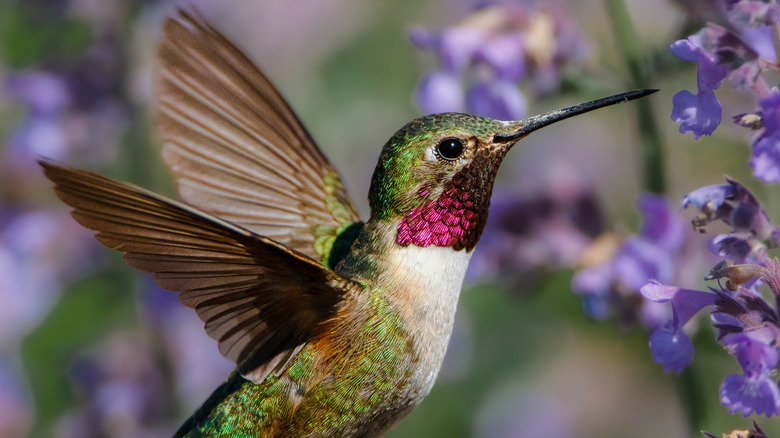
The color blue is not an easy one to incorporate naturally in the garden. Many gardeners opt to use blue hydrangea cultivars like the 'Blue Wave' lacecap hydrangea (Hydrangea macophylla), which offers both deep blue flowers and accessible nectar for hummingbirds. But there are other stunning blue flowers you should grow in your garden if you want something that hummingbirds cannot resist. Blue sage (Salvia azurea), or pitcher sage, is the lovely blue species that will add a cool contrast to the bright yellows, oranges, and reds in your summer flower beds. Try growing this perennial that is native to the south and central U.S. to attract more hummingbirds.
A wildflower commonly found in prairies and grasslands in the United States, blue sage is a member of the mint family and one of many salvia species that can be found around the world. Because of their tube-shaped flowers, salvia plants are known as flowers that attract hummingbirds and blue sage is not an exception. Its small, two-lipped flowers form into tubular whorls, creating an inviting display for both you and your long-beaked hummers.
Grow blue sage to attract hummingbirds
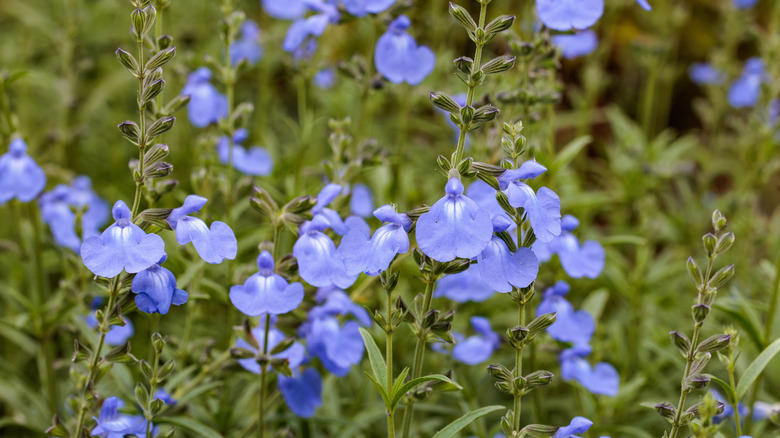
A long-blooming perennial, blue sage is an adaptable choice for a garden due to its easy-going nature. Once established in your space, keep an eye out for blooms from late summer through early fall. You do not need to amend your soil to suit this salvia, as it grows well in poorer soil without fertilizer. It is also tolerant to drought and can be grown in full sun to partial shade. Blue sage is a hardier sage species, growing in USDA Hardiness Zones 5 through 9 without problems. It can even overwinter without protection in the colder parts of its growing zone.
Blue salvia is one of beautiful blue sage plants that'll fill your yard with hummingbirds, plus other pollinators like bees and butterflies will love it, too. Plants typically grow between 3 and 5 feet tall and form clumps of growth. This is ideal for mass planting arrangements, which hummingbirds prefer. However, when choosing a site in your garden for this sage, consider giving it companions to lean on. Rich soil can make it fall over, which means you should plan to stake it or grow it together with native prairie grasses. Also be sure to avoid sites that tend to receive an overabundance of moisture, as it needs good drainage to thrive.