

How To Protect Your Pipes From The Blistering Summer Heat
We may receive a commission on purchases made from links.
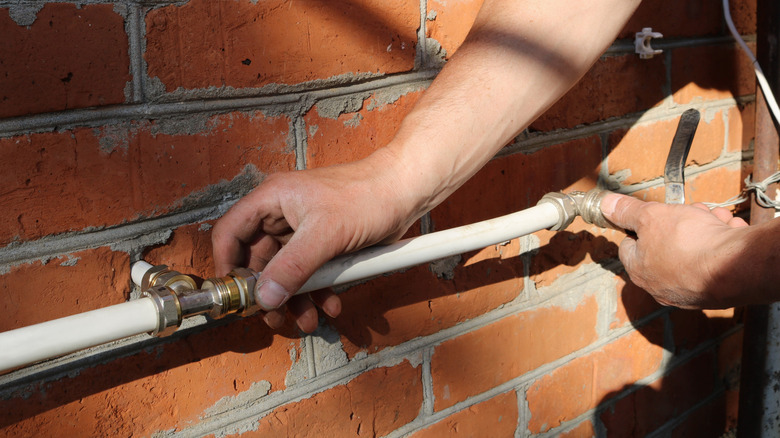
Pipes and extreme temperatures don't mix. While it's important to protect against the damage frozen pipes can cause to your home, hot and humid conditions in summer can also stress your plumbing. Pipes are at risk of leaking or bursting as they expand in high temperatures. As the ground shifts in response to the weather, your pipes can move, too. Humidity, the weather-related problem that causes your pipes to sweat, can corrode metal and weaken joints. We also use our water pipes more in summertime — for watering sun-parched plants or filling up kiddie pools — making them more susceptible to damage. To reduce the impact of heat on pipes, make sure you insulate them well or paint them a light color, lower your water heater temperature, and use as little water as possible.
You need to be prepared for summer pipe care. While it's natural to think of pipes as indoor fixtures, checking on your outdoor faucets and any PVC piping used in your drainage or irrigation systems is crucial during the hottest months of the year. While corrosion isn't an issue with PVC pipes, they can crack from ultraviolet (UV) light exposure. A damaged hose or sprinkler head, or cracks or leaks in outdoor piping, can stress the system enough to compromise indoor plumbing. Older plumbing pipes — inside or out — are more prone to heat damage. It's worth having a plumber check them or investing in drain cleaning.
Methods for preventing damage to water pipes in summer
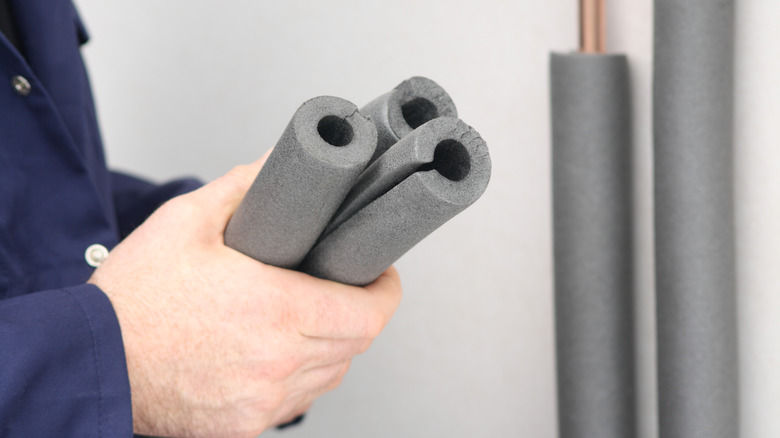
A few preventative measures can keep your plumbing problem-free in the summer heat. Chief among them is good insulation. Insulating material — or a coat of white paint — can reduce moisture buildup and expansion, both of which can cause a plumbing disaster. Insulation gets between your pipes and the air, while light colors keep the pipes from absorbing too much heat. If you live in a climate that gets cold in winter, go for insulation over the paint job to also prevent freezing. Rubber is a good choice for outdoor pipes, while fiberglass is better for indoor pipes. If you have problems with condensation forming on indoor or outdoor pipes, choose foam insulation.
It's also important to make sure that the water flowing through pipes isn't overheated. The thermostat settings that were perfect for the winter become unsafe over the hot summer months. Set your thermostat to below 120 degrees Fahrenheit during the warmest months of the year. Finally, responsible water use goes a long way in preventing damage to your pipes during summer. For example, not only is overwatering one of the biggest wastes of money you can spend on your lawn and garden, but it also puts unnecessary stress on piping. If the pipes start to leak, the water can even threaten your home's foundation. Inside, don't run multiple high-water-use appliances at the same time. Instead, run them at night when the air is cooler.
Signs your pipes are failing in the summer heat
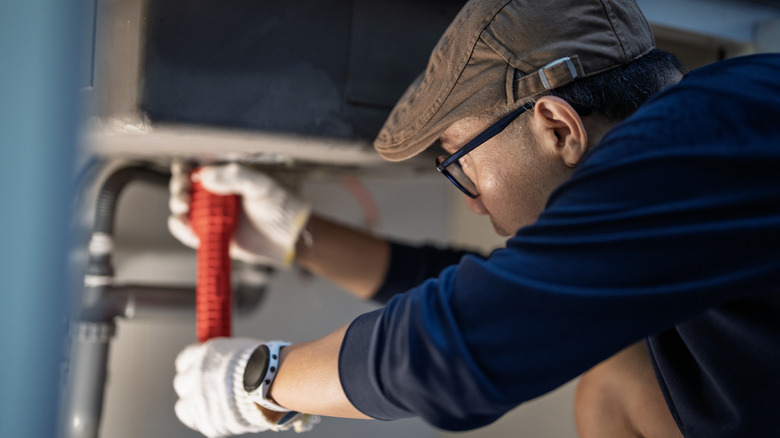
To prevent summer water pipe damage, look for small signs of an issue before it becomes a big, expensive problem. Lower water pressure, for example, may indicate that your pipes are corroded or leaking. If you're on the municipal water supply, check there first to see if there are system-wide issues. If you rule that out, it's time to call a plumber. Leaking pipes can also cause visible signs in your home or yard — like soft, warped cabinetry or flooring — and unusually high water bills. Odd noises or musty smells coming from your water pipes are also a clue that something may be wrong. If you suspect or find a leak, it's worth paying a licensed plumber to assess your pipes earlier rather than later. You could avoid major repairs and the bills that come with them.
While you wait for the pros to arrive, the fastest way to repair a leaking pipe is by wrapping it in plumber's or self-fusing silicone tape from the hardware store. Arvyne Self-Fusing Waterproof Silicone Tape, in particular, can patch a low-pressure pipe fairly well for a short period of time, making it arguably the best interim solution. If the pipe has burst and water is gushing out, turn off the water supply and call an emergency plumber. A broken outdoor pipe might require contacting your local municipality. Often, if they're aware of the problem, they can shut off the flow water to your home until the pipe is fixed.