

Not Azaleas, Not Hydrangeas: The Pink Summer-Blooming Plant Hummingbirds Can't Resist
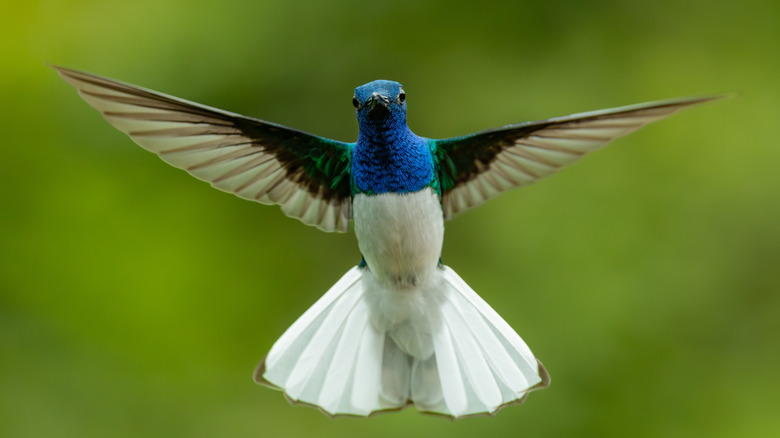
Anytime you think about popular flowering perennials to add to your garden, azaleas and hydrangeas are bound to come up — and for good reason. These classic plants are stunners with a lot of varieties to choose from. However, they can also be a bit finicky. They're pest- and disease-prone and generally don't fare well in the heat. While azaleas are considered the lower-maintenance of the two plants, hydrangeas often require more hands-on care. If you just can't be bothered putting in the time these pretty perennials require, it's time to look elsewhere for your flower fix. Autumn sage (Salvia greggii) is a lovely, easy-going summer bloomer you should consider growing instead.
This affable perennial is native to the rocky, sloped terrain of Texas and Mexico. It's hardy in Zones 7 to 9; however, some cultivars can thrive as far north as Colorado or Oklahoma. Plant this gorgeous sage variety in September to attract hummingbirds — the tiny avians can't get enough of the plant's nectar-filled, tube-shaped blooms — as well as bees and butterflies. At maturity, autumn sage is a mounding shrub that's typically 2 to 3 feet tall, though it can reach 5 feet with ideal care. In warmer climates, it's evergreen, blooms in the fall, and may produce flowers well into winter. In cooler regions, it will flower from summer until the first frost of the year. While autumn sage has a wide range of flower colors, including orange, purple, red, and white, for pink blooms, choose the hot pink-flowering cultivar 'Wild Thing' or the aptly named 'Cold Hardy Pink.' They're ideal for gardeners who want to entice more hummingbirds to their yard — the tiny avians love pink flowers almost as much as red.
How to grow and care for autumn sage in your pollinator garden
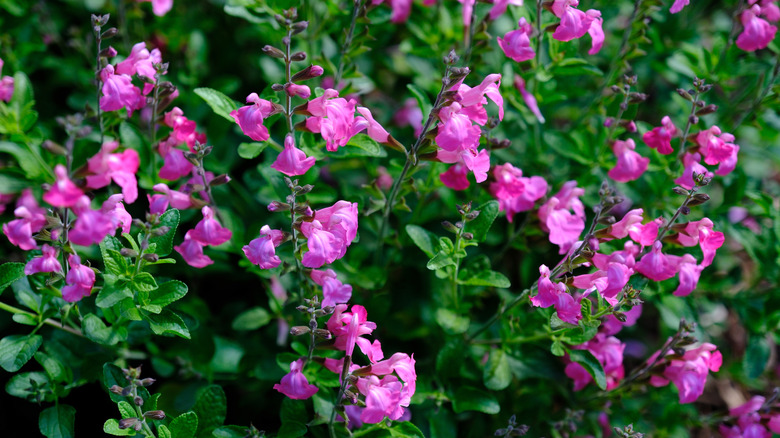
Autumn sage is a perennial you should plant in August for gorgeous blooms that last through fall. As mentioned, September works, too, as does planting it in spring. It's vital to carefully select the location for this plant. It does best in well-drained, rocky or sandy soil and will not tolerate soggy, clay soil. Choose a spot that gets full sun, too. Dig a hole just as deep and twice as wide as your new plant's nursery pot. Once autumn sage is in the ground, water the plant moderately until it acclimates to its new home. In a few weeks, when you see new growth, reduce your watering schedule to once a week or less. Autumn sage is a top salvia pick for stunning container gardens, too. Add some grit to the soil in the pot for extra drainage.
Once established, caring for this perennial beauty is a breeze. Tough autumn sage doesn't tend to have issues with pests or diseases and it's drought-resistant. There's no need to fertilize this plant if your soil is already moderately fertile — it's considered a light feeder. If your soil does need a nutritional boost, apply slow-release fertilizer around the root zone in spring. As the growing season progresses, deadhead spent flowers to prolong blooming. Prune your autumn sage by about one-third to a half of its current size — or about 6 inches from the ground — for a thicker, more compact shrub next season. Otherwise, simply enjoy watching the hummingbirds buzz about the plant as they steal sips of nectar.