

What To Do If You Find A Random Warm Spot On Your Floor
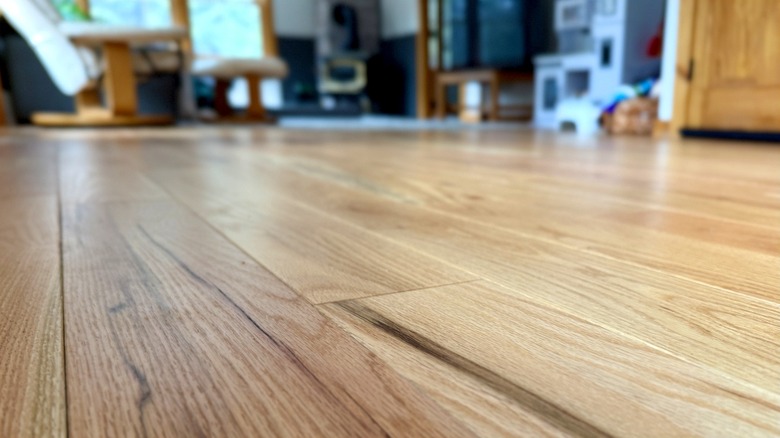
Playing "the floor is lava" is all well and good when the heat is coming from your imagination, but if you're jumping from furniture to furniture because there are actual warm spots on your floor, then you may have a serious problem on your hands. Random warm spots on the floor tend to have three main culprits: a leak, a faulty HVAC, or an electrical issue.
While a warm spot by itself doesn't necessarily indicate a more major problem, if you also have been noticing plumbing issues like low water pressure, damp areas, or a moldy smell, it's probably best to hire a professional who can get to the bottom of things.
Before calling in the pros, though, you may want to quickly confirm that the warm spots are not caused by your home's temperature regulation system. Radiant heating, such as the type installed into the floor, is a common cause of warm spots, especially if the heat becomes trapped under heavy furniture or carpeting. In this case, rearranging the furniture so that the heat can properly spread across the floor and adjusting your system's settings may fix the issue. Although, if the radiant heating continues to cause you problems, heating your home with a radiator may be a better choice this winter.
Another less extreme cause behind warm floor spots is your home's ductwork. Ducts arranged beneath flooring can create these spots. While not a major cause for concern, if you notice that the warm spots appear and disappear in tandem with your HVAC turning on and off, it may be a sign that your home needs professional duct cleaning.
When warm spots signal major issues
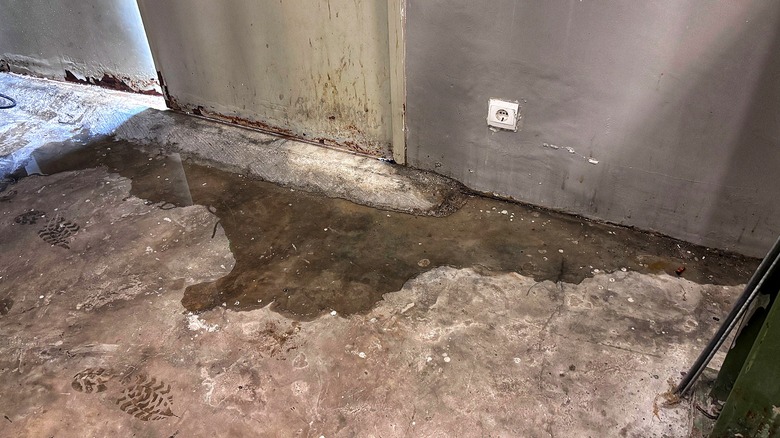
A warm floor spot can also signal an electrical issue. If your home has bad wiring, the heat from various appliances and circuit breakers can create excess heat in the form of warm spots. If these spots are accompanied by other electrical issues or a burning smell, you should call an electrician to fix the issue before it gets much worse.
The biggest problem homeowners should be aware of if they find a warm spot on the floor is a slab leak, which is when a hot water pipe buried in your home's foundation begins leaking. The heat from the water radiates up through the concrete, creating the hot spots. Along with raising your water bill over time, these leaks can also cause intense structural damage to your home.
Physical symptoms like standing water, the scent of mildew, or hearing water constantly run through the pipes are all pretty strong signs of a slab leak. You can give yourself more evidence before calling a pro by monitoring your water meter to see if there is any movement even when all taps are turned off. Once a plumber has been called, they'll be able to use more advanced tools like thermal and endoscopic cameras to find and confirm the leak.
Fixing a slab leak, while possible, is an invasive and typically expensive process, often requiring some sort of demolition to get to the faulty pipe. That's why it's important to perform regular inspections, and to protect your pipes from the blistering summer heat. It's also another reason not to dismiss warm spots on the floor, as these small signs ultimately can help you catch potentially serious issues around your home.