

Everyone Used It In The '80s — The Thrift Store Find For Elegant Table Settings
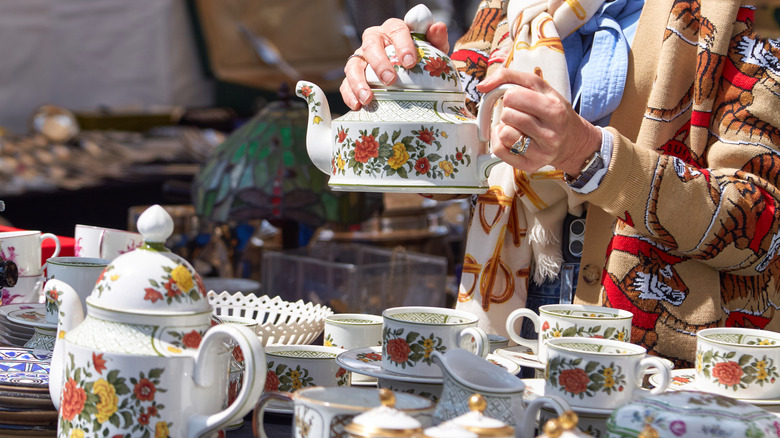
If browsing the china aisle at a thrift store, don't overlook Royal Albert's Lavender Rose pattern. Introduced in the 1960s, the elegant floral design was a favorite for formal dining, bridal registries, and special occasions through the 1980s. Delicate lavender blooms and 22-carat gold trim gave the traditional English style a more contemporary look while keeping the brand's elegance.
Royal Albert's Lavender Rose pattern was created by in-house designers as a fresh take on the brand's classic floral bone china, taking inspiration from lush, romantic English country gardens. These gardens typically combine overflowing flowers, soft greenery, and tall flowering plants to create landscapes that feel both elegant and natural, much like the china pattern.
As casual dining became more commonplace, many households stopped using fine china, leaving once-prized dinnerware tucked away in storage. However, formal china sets are making a big comeback, due to a renewed interest in entertaining. People are now actively searching for tableware — including Victorian-inspired dishware designs – to complete their holiday gatherings, tea parties, bridal and baby showers, and other special occasions. While the now-discontinued Lavender Rose remains more affordable than some earlier patterns, complete collections, like a tea set, can still command nearly $300. Rare Royal Albert Lavender Rose pieces include large-capacity teapots and specialty servingware, such as rectangular butter dishes.
How to identify the Royal Albert Lavender Rose collection
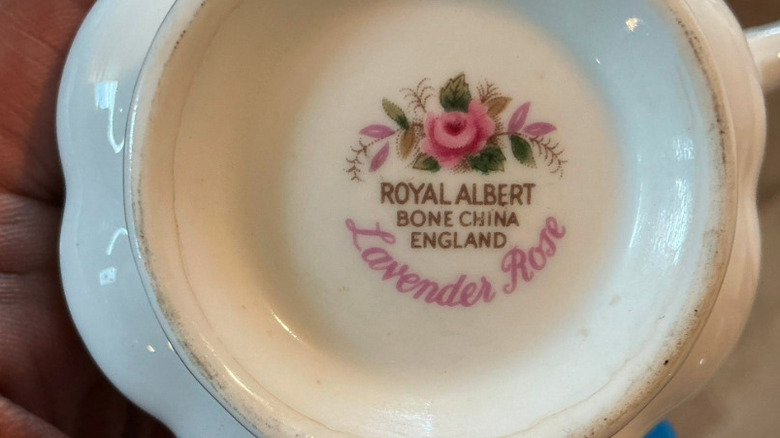
Now that you know about these valuable patterns of vintage china, you'll want to know how to spot them among the other assorted dishes in your local thrift shop. The easiest way to identify authentic Royal Albert Lavender Rose pieces is to turn them over and check the stamp on the back. Genuine Royal Albert china typically features the company's name, a crown logo, and markings such as "bone china" or "fine bone china," while many pieces also include the pattern name on the base. Collectors also look for the pattern's signature combination of lavender roses and delicate greenery, which distinguishes Lavender Rose from Royal Albert's other floral designs.
As with any vintage china, condition plays a major role in value. Inspect pieces carefully for chips, cracks, crazing, worn silver trim, or repairs, as even minor damage can affect collectibility. Complete place settings, serving platters, teapots, sugar bowls, and other matching serving pieces are often more desirable than individual dinner plates, especially for buyers hoping to recreate a full vintage tablescape. Once you learn everything you need to know about china patterns, an overlooked thrift store find could become the centerpiece of an elegant table setting — or a surprisingly valuable addition to a vintage china collection.