

The Lesser Known Scrap To Add To Compost — It's Not Corn Husks Or Coffee Grounds
We may receive a commission on purchases made from links.
You likely already have compost ingredients at home. Whether it's corn husks, coffee grounds, eggshells, or pulled weeds, you can add them all to your pile for rich, healthy compost. It sometimes seems like your compost pile can break down anything. How it works is downright miraculous, and there are really only a few hard lines you need to draw when it comes to additives. In fact, there's one overlooked compost ingredient that you may have put in the latter category that's actually okay. Dust breaks down clean and has more benefits for compost than you probably realized.
If you've been wondering whether you can compost dust in your backyard, the answer is mostly yes — with some caveats. Dust is a broad category, from the dust bunnies you suck up from under your couch every week with your vacuum cleaner to the rock dust in the bottom of a bag of gravel, so guidance on its usefulness in composting is heavily nuanced. Most people have a compost pile because it benefits their plants and keeps garden and household waste out of the landfill. Your lifestyle, yard chores, and plant nutrient needs determine what you add to your compost, including dust.
If your main worry about adding dust is whether or not it will break down well or harm your compost, you can cross that off your list of concerns. While some ingredients in dust, like microscopic metallic particles, won't break down, there are plenty of organic materials that will. Always evenly distribute thin layers of household dust in a compost pile; don't just dump it on the pile in one big clump. That being said, there are certain types of dust worth avoiding because they may contain high levels of pollutants.
What kinds of dust are okay to add to a compost pile?
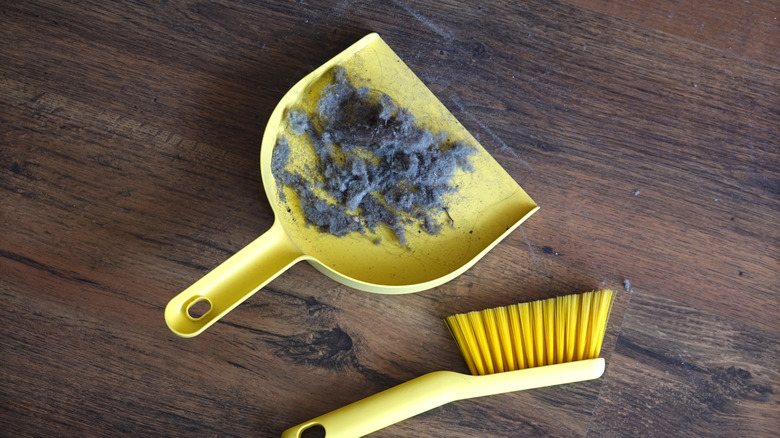
Our way of life causes dust bunnies, but you can eradicate them before they turn into dust tigers, or maybe even a herd of dust buffaloes, by regularly collecting them for your compost pile. No matter whether you call your floor fluff dust bunnies, beggar's velvet, or another fun, folksy name, it collects in the corners and under furniture — places in your home with little airflow. Dust contains everything from hair and dead skin cells to cooking oil and dirt, and this organic material is perfectly compostable. You can simply sweep it up and collect it in a container until you have enough to dump on your pile. As mentioned, disperse it well through the compost. Hair, especially, composts slowly in large quantities, despite being a good source of slow-release nitrogen.
Be wary, however, of blanket-adding vacuum cleaner dust to your pile. If you live in a home with natural fiber rugs or carpet and you always take your shoes off at the door, the dust inside your vacuum's collection chamber or bag should be mostly organic. However, if you have synthetic fiber flooring and wear your shoes indoor, potentially tracking asphalt and chemical residues inside, then your vacuum dust won't be so compost-friendly. Other kinds of dust you can use in your compost come from your kitchen or backyard — sawdust, rock dust (a common, mineral-rich soil amendment), and, sparingly, wood ash. These types of dust are a good addition to a compost pile that's high in green (nitrogen-rich) ingredients, such as lawn clippings and freshly pulled weeds.
Avoid composting these types of dust
Dust is an unusual compost ingredient you can find inside your vacuum cleaner or fire pit, and nobody knows your home and garden like you do. If you work hard to keep harmful chemicals out of your home and garden, what's in the dustpan is probably okay to compost. However, if you're at all unsure, it's best to err on the side of caution. Composting isn't alchemical. While you can technically use the process to remediate contaminated soil, the factors involved are complicated and likely not achievable on a household level. In most cases, you can't dump pollutants into a compost and expect them to transform into an inert material. Some types of dust are more likely to contain high levels of pollutants and should be avoided. As mentioned, vacuum dust from a home with synthetic carpet can't be added to a compost pile. The fibers won't break down.
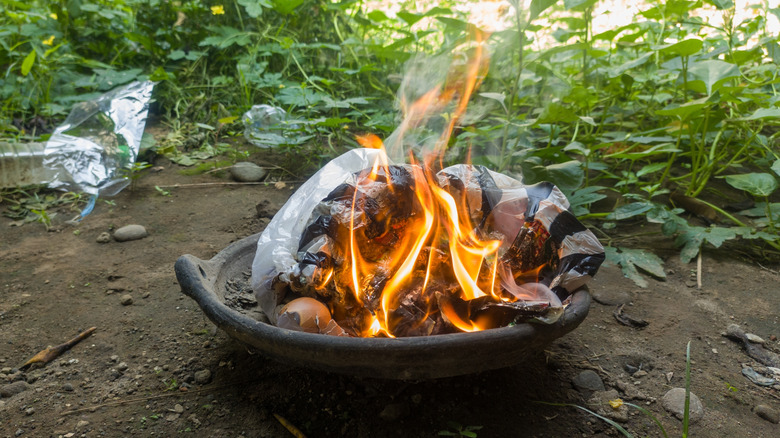
Likewise, dust from a garage or home workshop may be contaminated with plastic or metal particles, automotive fluids, or solvents. It should be kept well away from your compost. If you're sweeping a patio where you prepare pesticides for the garden, don't add that dust to your compost, either. It can disrupt the sensitive biological ecosystem in your pile. A little chemical fertilizer likely won't do any harm, though. The same goes for any materials that contain harmful chemicals and heavy metals, including charcoal from trash fires or accelerant-dowsed briquettes. If you want to compost ash dust from your barbecue, use an all-natural product like Cowboy Southern Style Hardwood Lump Charcoal for grilling. Otherwise, take the dust from your cooking charcoal off the list, too, along with the dust from burned treated wood.