

They Never Go Out Of Style: The Unique Historical Homes You'll Still See In Colorado
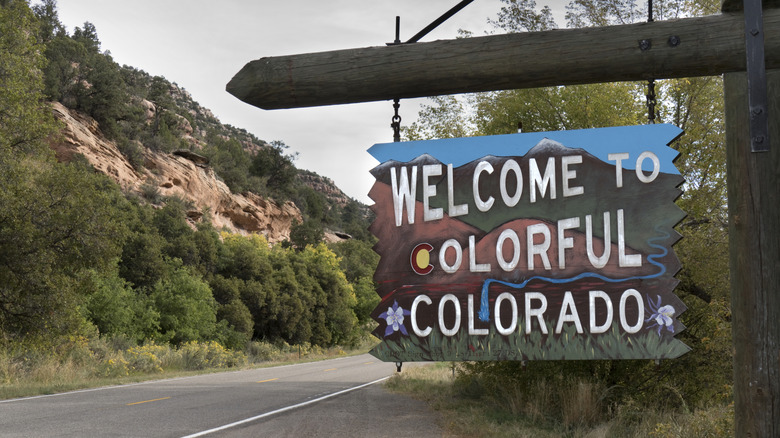
When you think of Colorado, your mind is sure to conjure up images of mountain backdrops and snowy terrain. Nestled against the Rocky Mountains, this state is deeply rooted in a sense of collaboration with the natural world — especially as you venture further into the rugged terrain of the mountains. This tradition goes all the way back to when Indigenous people stewarded the land, and then continued as pioneers arrived in search of gold.
When you live in a place like Colorado, trying weather and tough natural landscape encourage creative solutions when it comes to shelters. Around the mid-19th century when the Europeans first arrived in Colorado, they were focused on survival above all else. Log cabins were a type of structure born out of necessity. They were constructed from simple materials these early pioneers had at their disposal: tree logs, clay, moss, animal hair, and stone.
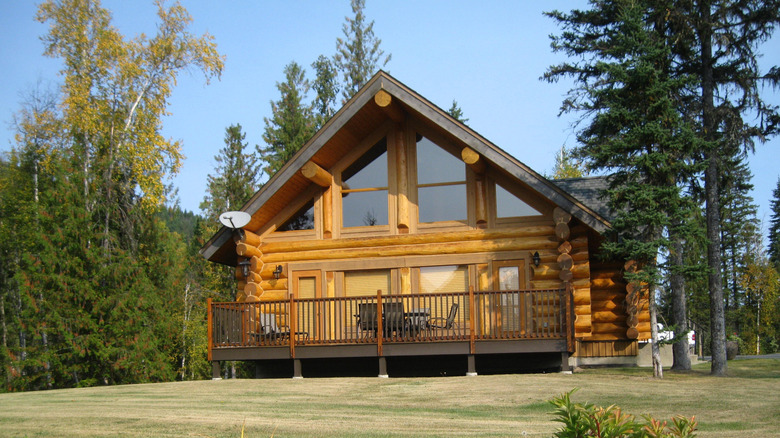
These structures served an important purpose in their day and, over time, became synonymous with Colorado living. To this day, you can still see log cabins peppering the foothills and hiding in the tree lines of iconic mountain towns like Aspen and Leadville. From modest homesteads to luxurious mountain chateaus, log cabins can be found in a variety of forms throughout the state. They are a cherished piece of living history. In a state like Colorado, a dreamy, whimsical cabin will never go out of style. Today they aren't a simple structure built for survival — they're prized for their cozy, warm essence and ability to make you feel like you're enveloped in nature, all while being safe inside by the fire.
What are the key features of a Colorado log cabin?
Before the Colorado log cabin, the first iterations of this style actually came to us from Finnish and Swedish settlers in the 17th century. These first renditions on the East Coast are fairly similar to the ones we see in the west: stacked horizontal logs spackled together with clay and insulating materials like straw or animal hair. These homes didn't rely on nails to hold them together. The logs fit together perfectly with dowel joints. The flooring was typically exposed dirt or gravel, and they usually featured a stone fireplace. The name of the game was simplicity and affordability. Another benefit of these early structures was the ability to disassemble and move the dwelling if need be.
Modern log cabins have certainly upgraded, to say the least. These often custom built homes feature all the amenities a person from the 21st century would expect — AC, updated kitchen appliances, and WiFi, among other features. However, these gorgeous mountain houses still maintain the exposed wood beams and rustic stone fireplaces from the earliest iterations of the log cabin. As rugged as these dwellings are, they can still maintain a modern edge to their design. Many log cabin owners choose to upgrade the space to meld the newest trends with the traditions of old. Some modern log cabins lean on a more minimalist interior decor style, while others choose to fully lean into the cabin vibes with plenty of natural materials and traditional mountain town motifs.
Ultimately, all log cabins maintain three core design pillars: simplicity, comfort, and personality. They're a retreat to escape to after an adventure in the mountains — a destination to help you ground and connect with nature. The Colorado log cabin is still cherished and it's not going anywhere anytime soon.