

The European-Inspired Architecture Style With Roots In Dallas, Texas
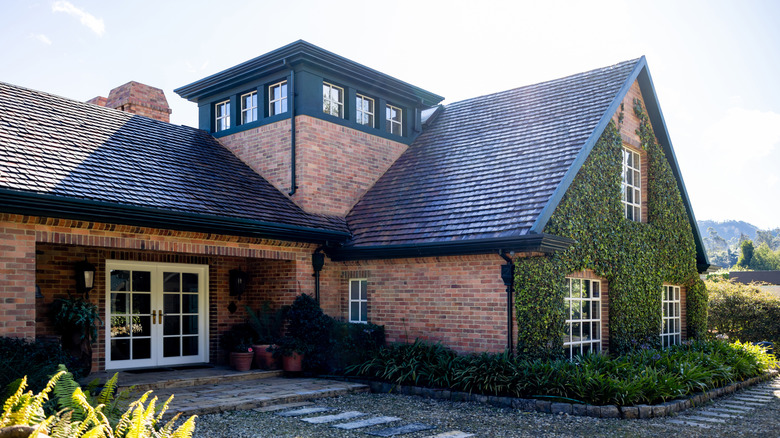
The design of homes has changed over the years. For a while, more simplistic, cookie-cutter houses were common. But now, people are starting to look for a place to live with a sense of personality and a form to stand the test of time. When looking for something that fits these two stipulations, you can't go wrong with Dallas Eclectic.
This style is the result of Texas families wanting to add elements of European design to their own homes. While the results sound like something that could look chaotic, they blend quite well. This style is sometimes confused with European Eclectic, but there are some slight differences. The Dallas version tends to be more of a mash-up and goes big on the sprawling design and large sizes.
The designs are a mix of Georgian classical, Tudor, and Mediterranean. It also has a bit of a twist on French Eclectic housing, especially in the steepness of roofs to present a more dramatic facade. Every home was a little different, based on the prominent design features from all across Europe that the architect or homeowner wanted, and when exactly it was built. For example, some homes around Texas even have Spanish architecture with big iron gates, large courtyards, and colorful roof tiles. Many of the notable features that make up the Dallas Eclectic architectural aesthetic come from outdated home styles we should be bringing back for their charm, which means getting inspiration from them could be just what you need for your home.
The background behind Dallas Eclectic architecture
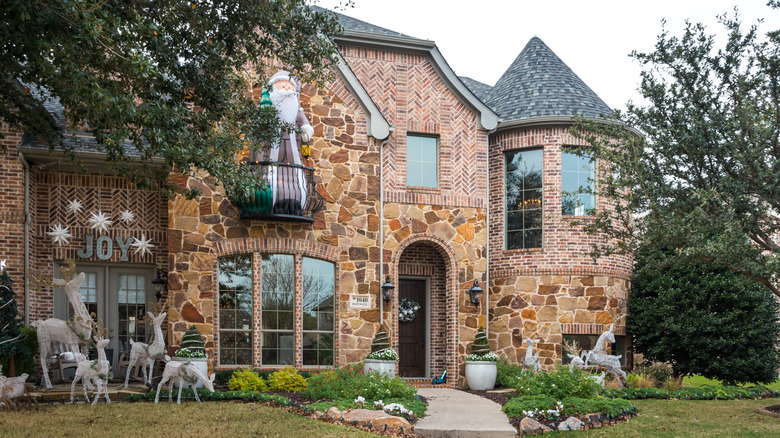
The Dallas Eclectic style became big in the 1910s and 1920s. It started when the more elite in the area traveled to Europe on vacation. After the trips, this class decided they wanted to try to mimic the architecture in Dallas. It is described by Douglas Newby, a historic home specialist and master archivist, when talking to The Dallas Morning News, as "derived from Europe but interpreted by American architects."
Many of these designs were towering behemoths. The city stopped the trend from getting too out of control by limiting the height of buildings to 39 feet. While it didn't kill off Dallas Eclectic entirely, it did cause a slight shift in design ideas. Local homeowners weren't going to let that hold back their grand homes. Instead of building up, people took to creating outwards, turning houses into sprawling mansions that filled entire lots.
It didn't get rid of the large windows reminiscent of Italy, roofs pulled directly from Tudor designs, and dramatic doorways inspired by Georgian architecture you may want to incorporate into your home, however. Around the 1950s and '60s, the trend started to die back a bit, replaced with more modern designs. You can still see evidence of these homes in and around the Dallas area, including in Park Cities, Reston Hollow, Frisco, and Plano.
How to use the Dallas Eclectic style in your own home
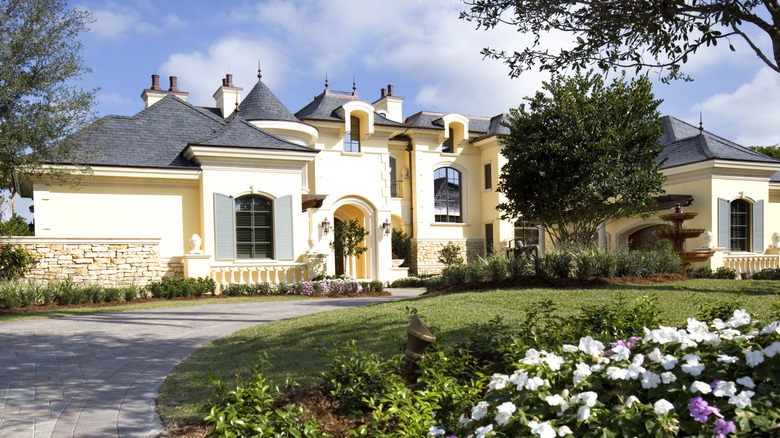
These Dallas Eclectic homes are beautiful, but can be intimidating to plan out. Thankfully, if you want something inspired by this design, but a bit more modern, and you don't know how to balance it, there are ways to marry your love of classic architecture with a new build home. The key is to keep the design roughly 80% of whatever you want the majority to be, like modern, and then incorporate about 20% of the other style. Though Dallas Eclectic was a mostly architectural trend, there's no reason why you can't take the idea and run with it indoors, as well.
For a house's interior, you can buy vintage furniture, pick a similar color palette, and add details like molding. Using Dallas Eclectic as inspiration can also influence room layouts, including adding great rooms, high ceilings, and ornate fireplaces. On the outside of your home, incorporate the same palette, but consider the details as well. The trim, the shape of the exterior, and the roofing tiles are all major features in this look. You can also pick and choose specific elements you enjoy, such as the courtyards, symmetry, and building materials, including stucco or stone. Even picking out a fitting window frame and shape adds to that eclectic style.