

11 Herbs You Should Be Pruning In July

If you're stressed and dehydrated by the time July rolls around, odds are the herbs in your garden are feeling the same way. Taking to them with your pruning shears is a surprisingly effective way to revive all your tall and foliage-heavy herbs. Not all herbs benefit from vigorous pruning in July. Woody herbs like sage and thyme are best trimmed in spring, right around the time their new growth emerges. For tender herbs, however, a decent haircut lightens the load during long, hot summers. Water and nutrients don't have to travel quite so far to reach what's left — the leaves and shortened stems. Add leafy herbs like mint, basil, oregano, and more to your list of plants you should prune in July to keep them happy and healthy.
You can trim these kinds of herbs with garden scissors or your go-to pair of sharp pruners, keeping the cuttings for drying or using fresh in cooking. Just be sure to leave some nodes and foliage intact so that your plants will keep producing until the end of the growing season. Beyond this voluntary mid-summer task, there are other steps you can take to help your culinary herbs grow their best in the hottest months of the year. One of the most important chores is monitoring soil moisture levels. Is water pooling in their container or garden bed? If yes, you may need to do away with the flower pot saucer or amend clay soil with gravel or wood shaving to improve drainage. Sitting too long in wet soil is one reason many herbs' lives are cut short, especially those native to the Mediterranean.
Mint
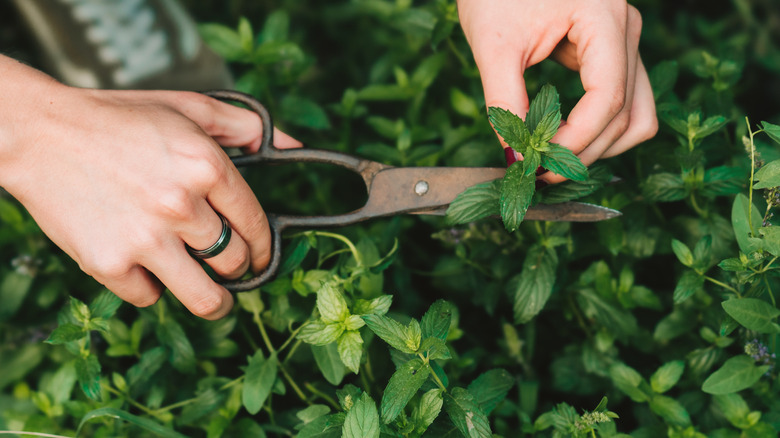
The main reason you need to prune mint in summer is its tendency to get leggy. Plus, if you're growing mint for tea or other culinary uses, you should prune your plant before it produces flowers in July and August. Blooming lowers the oil content in the leaves. This freshly aromatic herb generally rebounds well even if you prune it down to an inch above the ground, making July the perfect month to clip off long stalks for drying. Grow mint as a perennial outdoors in USDA Plant Hardiness Zones 4 through 11.
Oregano
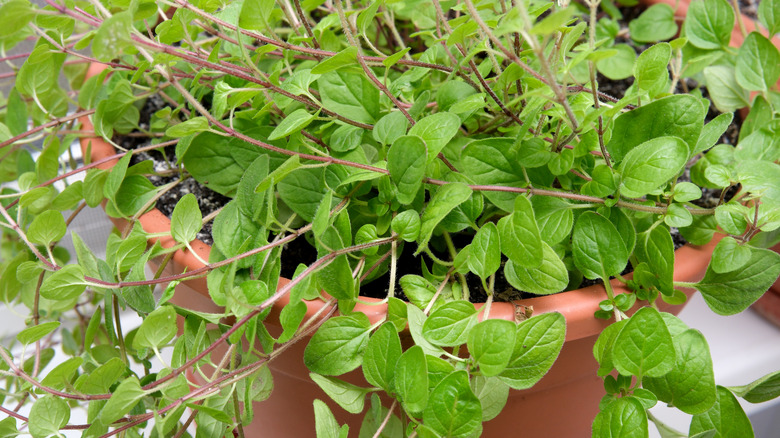
You can prune back a thriving oregano by up to half of its volume in July, especially if you don't want your plant to go to seed. Oregano is hardy in Zones 5 to 8 and typically blooms from July to September. If you haven't spotted any blooms yet, take the opportunity to clip the leaves while they're at their tastiest. If your plant has already flowered, you can give it a harder prune — cut it back 1 to 3 inches above the soil. For ornamental varieties, where blooming is essential, wait until after flowering ends to prune.
Cilantro
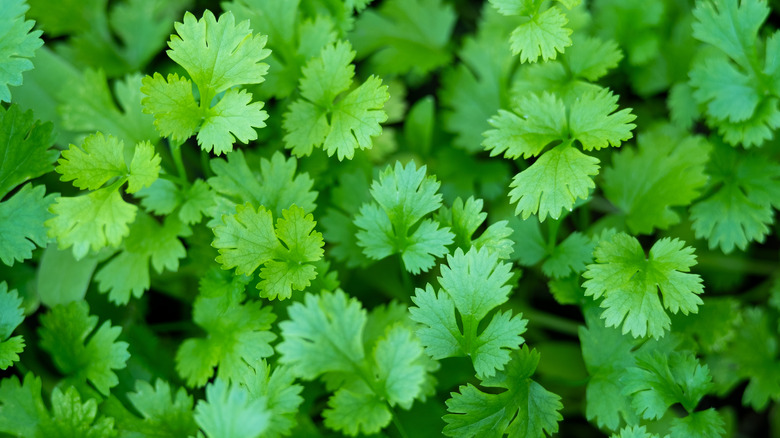
Summer is not the easiest time for cilantro. High July temperatures cause this annual herb to flower too soon, which makes the leaves taste bitter. With vigilance and regular pruning to keep cilantro happy and healthy, you might get a decent harvest, especially if your summer temperatures stay in the plant's ideal range of 50 to 85 degrees Fahrenheit. Once the plant reaches 6 inches tall, clip off leaves from the edges, but keep leaves in the middle of the plant intact to ensure continued growth. Repeat the process several times during the month if it's really hot.
Basil
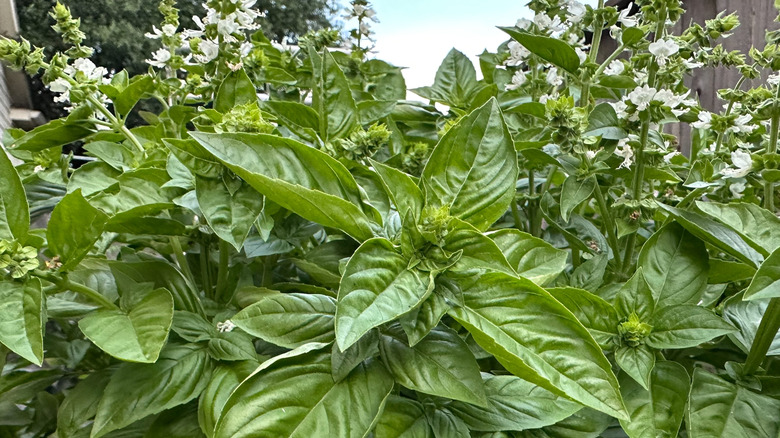
Throughout the growing season, it helps to pick your basil plant more often for a big harvest boost. By July, this delectable annual herb may have shot up in height. Prune and harvest leaves from the top of a 1-foot-tall basil plant to keep it bushy. Don't be shy with your pruners, either. When cutting back basil, you can safely take off half the plant, leaving some nodes intact to facilitate new growth. You may even stop your basil from flowering for a bit longer. If the plant is blooming, prune it to 6 inches above the ground.
Chives
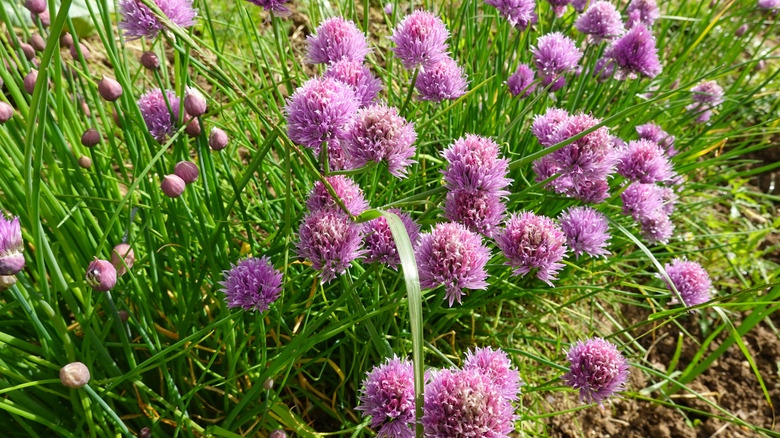
Chives, an easy-going herb that's hardy in Zones 4 through 8, should thrive after a July pruning, even if you already trimmed your plants earlier in the season. In fact, you can prune this fast-growing perennial every two to three weeks to keep its growth manageable. Take off several inches of growth with your shears. If you're growing the chives for culinary purposes, you can remove the edible flowers, too. You can also give your chives a hard prune in July, leaving just an inch of the plant above the ground, to encourage more growth.
Bay laurel
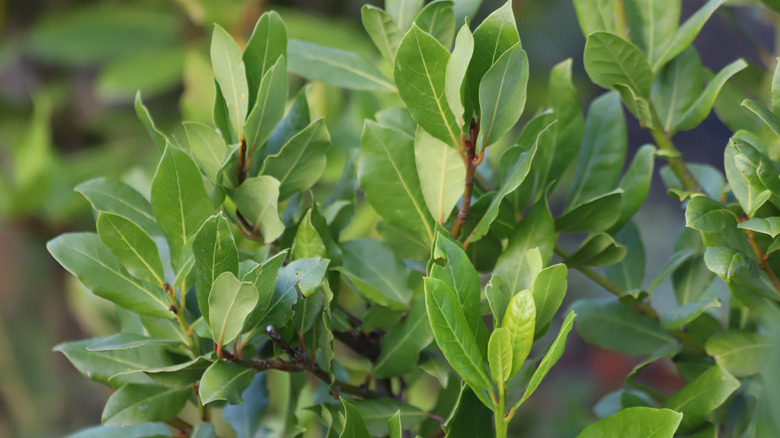
Even though bay laurel (Laurus nobilis) is a slow-growing tree, its leaves are popular with home cooks. This perennial shrub is right at home in an outdoor container in Zones 8 to 10, or it can be overwintered indoors in cooler climates. July is a good time to prune bay laurel so it retains a tidy shape. To harvest the leaves at the same time, cut off the older, more flavorful foliage and bring it inside to dry. Gardeners who want to prioritize the plant's growth should stick to light pruning only at this time of year.
Fennel
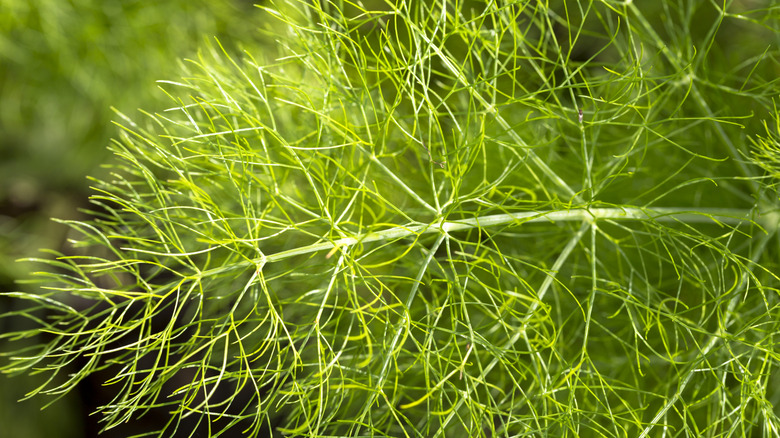
Whether you're growing fennel (Foeniculum vulgare) as an annual herb for its wispy leaves that taste like aniseed or harvesting the seeds for seasoning, July is a good time to put your pruners to work. Pruning up to a third of the plant before flowers come in toward the later part of the summer can yield a bountiful supply of leaves and create a bushier plant. To harvest the seeds, prune the dried flowers once the blooming period ends and drop them into a bag so you can separate out the seeds.
Lemon balm
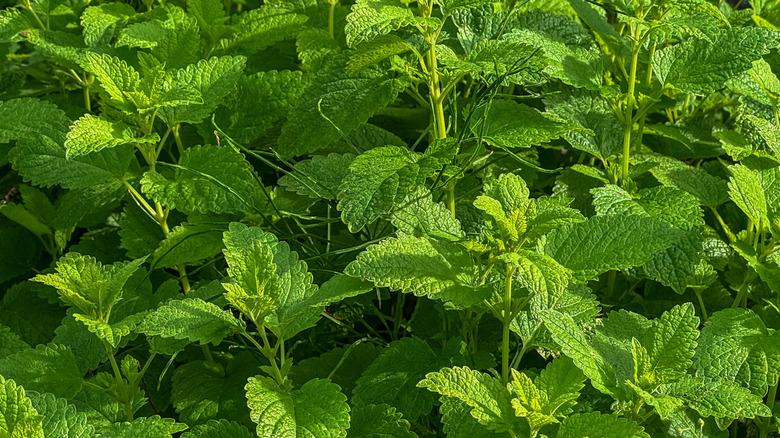
Lemon balm (Melissa officinalis) benefits from a July pruning just like its cousin mint. Once mid-summer rolls around, you can chop off older foliage and any flowers to encourage younger, more flavorful leaves to grow in. Pruning also helps keep it from spreading its seeds and overtaking your garden. Another way to rein in this lemon-scented herb is by pinching off the leaf tips. Pinching is also a good way to keep indoor lemon balm alive if you live outside this tough perennial's outdoor growing range — Zones 3 through 7.
French tarragon
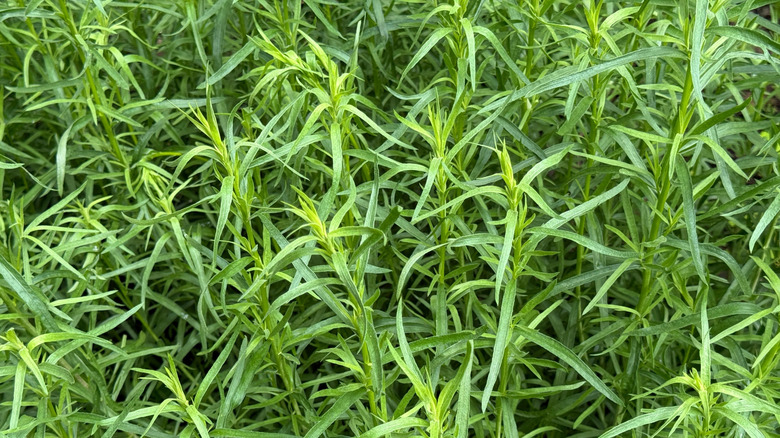
Sun-loving French tarragon (Artemisia dracunculus var. sativa) is often ready to harvest by July, making it a perfect time to prune this heady herb. The key to success with this perennial that thrives in Zones 3 to 8 is removing new growth from the tall stalks. This results in bundles of fragrant leaves that taste like licorice and are best enjoyed fresh. In mid-summer, you can clear away the tiny flowers after they fade, but don't cut the plant close to the ground until it's time for hard pruning in fall.
Sweet marjoram
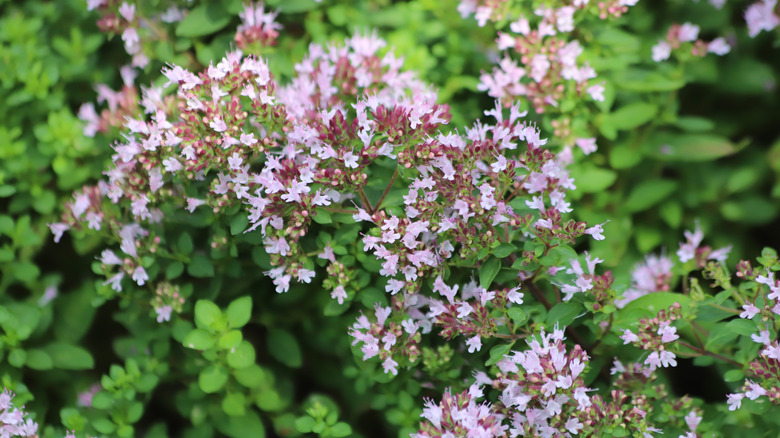
True to its name, sweet marjoram (Origanum majorana) is like a sweeter tasting oregano. You can grow it as a perennial in Zones 9 and 10, but you'll need to grow it as an annual — or plant it in a container that you can overwinter indoors — in colder areas. Around July, healthy, flowering marjoram plants will start to produce seeds and quickly take over a garden without a good trim. Marjoram that's struggling also benefits from pruning to encourage a flush of new leaves. If your plants are 5 inches or taller, you can get those pruners out.
Rosemary
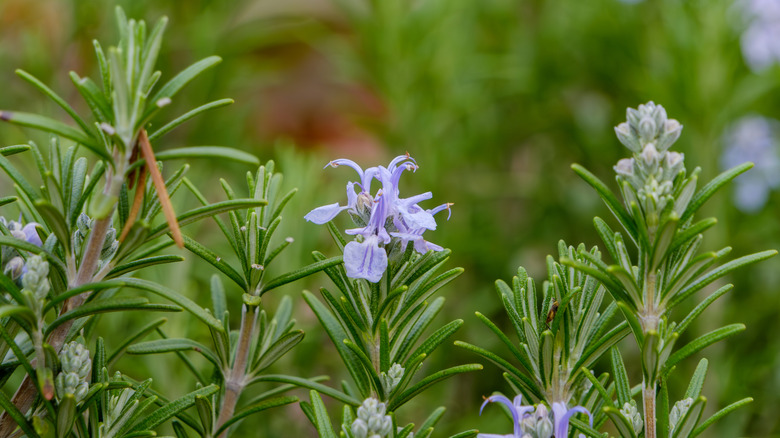
Rosemary's needle-like growth doesn't need aggressive pruning, but it can benefit from some light trimming in July to keep its shape. Lop the tips off any overgrown stalks to stop them from getting gangly. If your rosemary shrub has super-tall woody stems, cut them off and use them as skewers for your next summer barbecue party. Just remember to remove no more than 20% of the entire plant. This pungent herb is only perennial in Zones 8 through 10, so it's most often grown as an annual or in moveable pots.