

Not Copper Nor Coffee Grounds: The Sweet, Fresh-Smelling Flower For Deterring Slugs
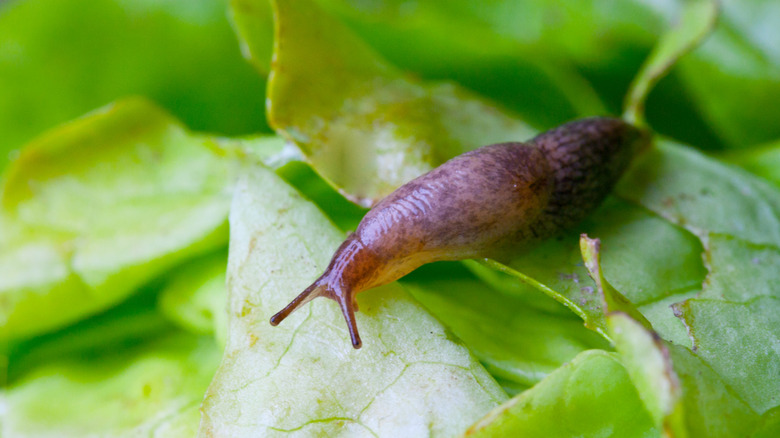
Slugs are the ultimate garden pest. They feast on your plants under the cover of darkness, leaving you to deal with decimated vegetable plants and flowers you worked so hard to grow. But before you lay down copper wire or sprinkle coffee grounds in your garden beds, consider another potential method to keep slugs away, which looks way more aesthetically pleasing, attracts pollinators, and emits a sweet honey scent: Sweet alyssum (Lobularia maritima).
Many gardeners use this flowering plant as a protective lining around vegetable beds and strawberry patches. When you add it to your garden, you're not just deterring slugs, you're also creating a habitat for aphid-eating insects like ladybugs. Sweet alyssum also comes in varying shades of white, pink, and purple and boasts hundreds of small flowers that captivate the eye while providing a helpful nectar source for pollinators. It's truly a win-win situation. You get a breathtaking flower border that doubles as a pest-control solution. Plus, you can protect your plants from slugs in a way that doesn't diminish the beauty of your outdoor space.
How sweet alyssum deters slugs from your vegetable garden
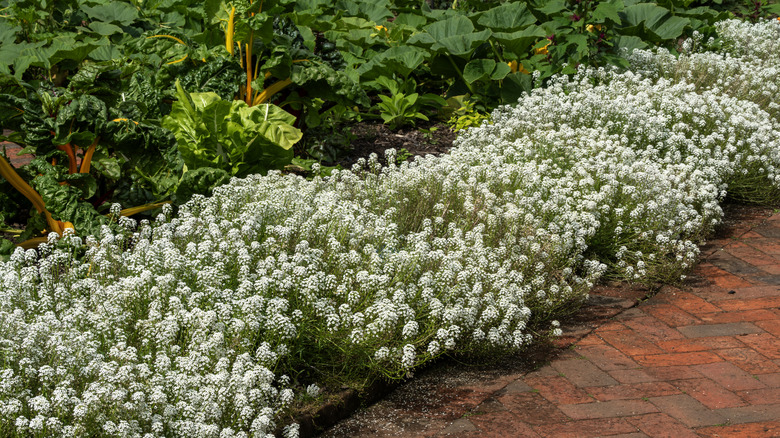
So, how exactly does sweet alyssum work as a pest control method for slugs? The truth is, there's more than one explanation. First, a densely planted border can function as a physical barrier or a protective shield around the plants in the center.
There's also the flower's honey-like scent. Slugs can smell way better than they can see, so the fragrance may help distract or confuse them when trying to identify nearby food sources. Even though there isn't concrete evidence that slugs despise sweet alyssum's smell, it's thought that they do hate the aromas of coffee grounds and garlic, so it seems like their senses are indeed averse to certain scents. Therefore, planting a bunch of these sweet-smelling flowers could act as a potential deterrent.
The third reason is a bit more in-depth, but it makes sense. Sweet alyssum is known to attract and harbor a variety of beneficial insects because of its nectar sources and how it provides cover. When mature, it spreads and creates a dense, moist habitat, perfect for slug-eating types of centipedes and beetles. By incorporating this flower into your garden beds, you could help increase the populations of the insects that see slugs as tasty snacks. Instead of feeling bad about them getting shocked by copper wire or drowned in beer, they could just take part in the natural food chain — a much more humane way to go.
Incorporating sweet alyssum into your garden for slug control
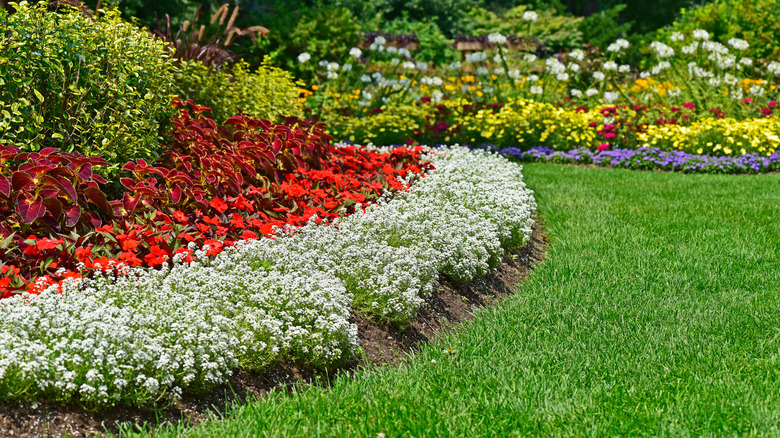
To use this lush flowering plant as a successful form of slug control, you first need to understand its growing needs and what helps it thrive — leggy or stunted plants won't be able to act as adequate cover. Sweet alyssum is typically grown as an annual and can survive in USDA growing zones five through eight. It's also sometimes considered a perennial in zones 9 through 11.
These flowers usually bloom from spring through fall, but if conditions are too hot and dry in summer, they may die back until cooler temperatures return. Using supplemental watering and a shade cloth may help in these instances. It does prefer full sun but will also tolerate part shade. Alyssum may overwinter in mild climates, but for most areas with cold winters, you'll just need to restart them from seed or repurchase them from the garden center next spring. Alyssum thrives best in consistently moist soil and doesn't really need fertilizer (unless the soil is of poor quality or it's in a container).
Since there are multiple varieties of sweet alyssum with different characteristics and spreading ranges, reference the seed packet or care tag for specific spacing requirements. For a densely planted slug barrier, each plant should be spaced anywhere from 6 to 12 inches apart. Remember, you can always add more to fill in bare spots. Also, be careful if you're directly sowing or transplanting small alyssum seedlings into the soil. Slugs can and will eat them since they have more tender foliage at this stage. That's why it's best to use other barrier methods until the plants have matured or pick up more established plants at your local garden center.