

The One Thing You Need To Do With Your Summer Garden In July
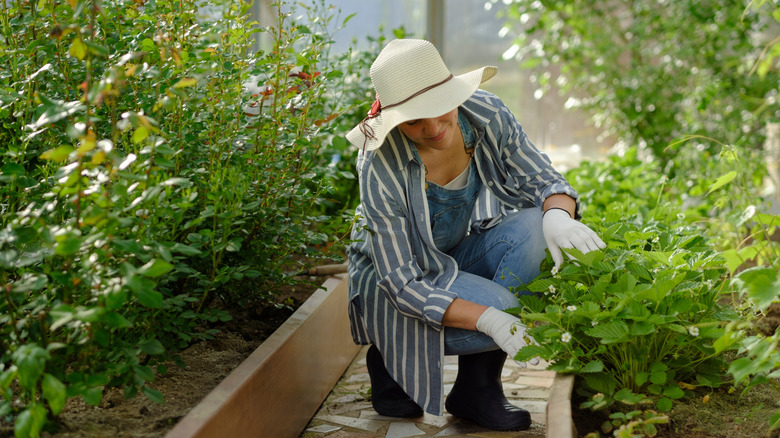
Gardening is in full swing in mid-summer. With your plants settled in and the first flowerings and harvests behind you, your gardening chores may feel routine. However, there's one task you should consider doing in July to help your plants thrive for the rest of the growing season: mulching. The general rule of thumb is to apply mulch in spring before the weeds have a chance to emerge from last season's seeds. In fact, you can mulch your garden beds at any time of year. The reasons why are varied.
July is historically the hottest month of the year across the U.S. No matter where you live, scorching summer temperatures are tough on plants. As the sun beats down on the soil, water evaporates faster than it does during the rest of the growing season. A thick layer of mulch keeps your soil hydrated on even the hottest summer day. It acts as an anti-evaporation barrier, meaning you may not have to water as often. Mulch can also help regulate soil temperatures. It insulates the ground, keeping it cooler and reducing the risk that your plants will succumb to heat shock.
While you should always take preventative measures to combat weeds in spring, it's still worth using the best types of mulch in your garden during summer to stop them from popping up. A thick layer of mulch can reduce weeds by blocking the sunlight the seeds need to germinate. Some parts of the U.S. experience heavy summer rain; by July, erosion can become an issue. Mulch keeps the soil in your garden bed and not all over your patio or driveway. Finally, organic mulch (as opposed to inorganic mulch) can bolster soil nutrients. As it naturally breaks down, mulch feeds the soil, helping your plants stay healthy into fall.
How to mulch your garden in July to keep beds cool and moist
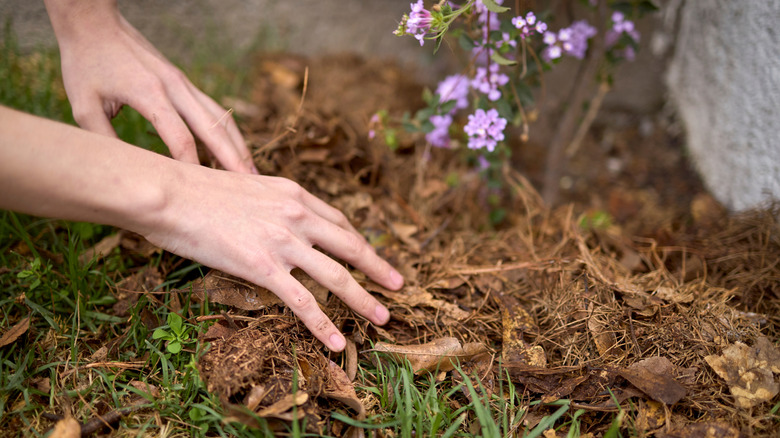
There is an enormous range of mulches available to gardeners, but not all of them are equally useful. Arguably, the best type of mulch for flower beds and vegetable patches is made of organic material that improves soil quality as much as it protects plant roots. Options include wood chips, shredded bark, grass clippings, straw, and compost, among many others, though you should avoid dyed shredded bark. This type of mulch can leach toxic chemicals into your soil. It's almost guaranteed that your local garden center will have a few types of mulch, or you can make your own. The best ingredients to use in your DIY mulch are things you might already have lying around your yard: pine needles, sawdust, and fallen leaves. Combine materials to create a custom blend.
Before spreading mulch, prepare the area around your plants. Remove any weeds from the garden bed and gently loosen the top layer of soil. Level the ground to the best of your ability and water the soil until it feels moist. Now you can apply a 2- to 3-inch layer of mulch. Focus on protecting established plants rather than newly planted seedlings, and avoid piling the mulch too close to the trunks of woody perennials, shrubs, or trees. Doing so increases the risk of disease, oxygen starvation, or rot. Once you've mulched, your plants are likely to reward you with plenty of summer and fall blooms — from the plants that flower late in the season — and a bountiful harvest. And remember, while mulch is a helpful tool to retain soil moisture in sizzling July, you still need to keep on top of all the other yard tasks you should be doing at the end of summer.