

How To Protect Your Hydrangea From Deer With A Natural Solution From Amazon
We may receive a commission on purchases made from links.
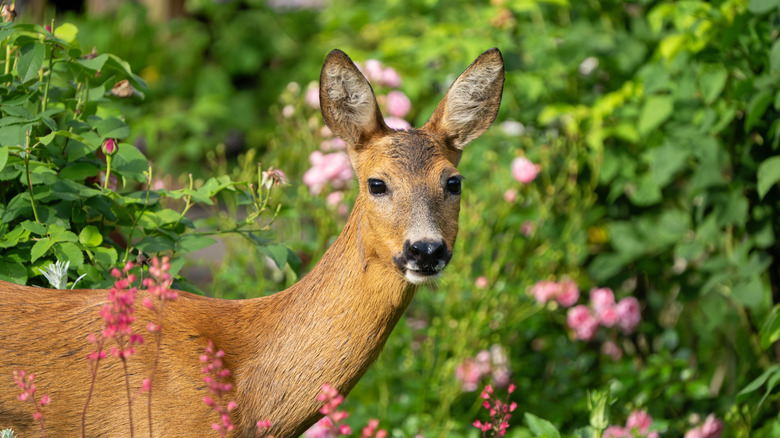
It's normal for gardeners to view deer as the enemy. When you're going toe to toe with these furry creatures, having an arsenal of advantages ready before they strike is half the battle. With deer treating your landscape like a buffet, you'll have to give some of your favorite plants extra protection unless you want to risk seeing them damaged. That's the case when it comes to many types of hydrangeas (Hydrangea spp.), which you can protect with a natural solution from Amazon like Migdracy's Deer & Rabbit Repellent Balls With Peppermint & Garlic Oils.
Although there are some hydrangea types that deer tend to leave alone, many of them need active protection. Often, this means installing fences or wire cages, especially in areas where deer pressure is particularly high. Although there's no substitute for physical barriers, products like Migdracy's scented balls work as part of an integrated approach.
The same thing that may bring deer to your hydrangeas in the first place — a sense of smell so good they rely on it to find food and avoid predators — is what can help keep them away. That's because garlic and peppermint have overwhelming aromas, and the deer can smell them before they ever take a bite of your hydrangeas and find out how delicious they are.
Use garlic and peppermint pouches to keep deer from your hydrangeas
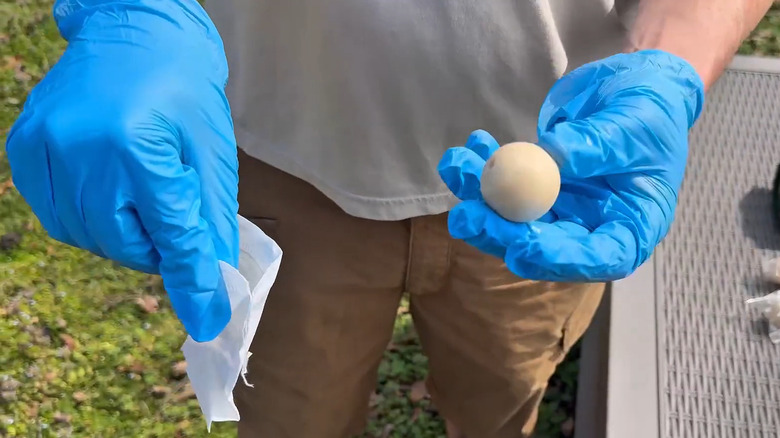
As a low-effort layer that adds to everything else you already do to keep deer out of your garden, garlic and peppermint pouches are a good option. They can be put out in early spring before the deer get a taste for your hydrangeas. This product is just scented balls placed in a cloth pouch with a drawstring so they can be hung on branches. They are marketed as safe to use around children and pets and don't have an unpleasant odor to most people, but it's still smart to wear gloves when handling them.
Repellent pouches should be spaced about every 3 to 5 feet, and refreshed every 30 to 60 days. If you put them on a rotation where you replace half of them every month, you can avoid running out of scent mid-season. This highlights another important consideration. Timing is everything, and when you put them out and how often you refresh them needs to change seasonally. Deer remain a threat to your hydrangeas during the fall breeding season and throughout the winter when they are hungriest. They can still be effective in winter, although heavy snow may bury the pouches and reduce how well the scent disperses. Also, no matter what season it is, since rain reduces the effectiveness of these pouches, you may need to replace them more frequently after heavy downpours. You'll also want to avoid putting them in the line of a sprinkler.
Discover more strategies for using these pouches
At around $24.99 for a pack of 10, these pouches have earned plenty of positive reviews from gardeners. But the honest truth when it comes to protecting your landscape from hungry animals is that scent repellents will only take you so far. If a deer is hungry enough, they'll scale tall fences and push past almost anything to get to food. That's what makes physical barriers like fencing and wire cages the most effective method. But because deer will sometimes even go through fencing or reach through wire cages to get at your plants, using these scented pouches simply adds another layer of protection. So, as far as these pouches go, they work best when they are used in a supporting role and not as the only strategy.
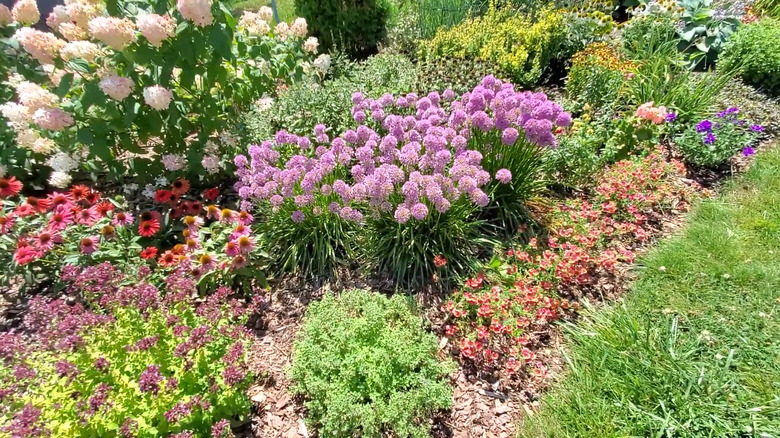
If you don't have fencing, another idea to pair with the scented pouches is companion planting. You can grow plants that deer avoid around your hydrangeas, such as members of the onion family, aromatic herbs, and fragrant annual flowers. You can also incorporate scare devices, like motion-activated sprinklers, which introduce an element of unpredictability that makes deer less comfortable in your garden. Dogs are another effective deer deterrent, but if a combination of strategies still isn't enough, it may be worth choosing more deer-resistant plants, such as climbing hydrangeas.