

How Many Times Can You Sharpen Lawn Mower Blades?
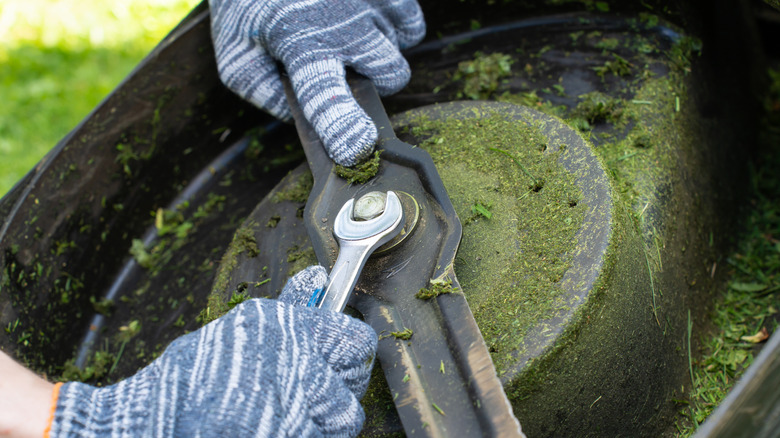
Over time, after years of repairing and replacing everything from water heaters to roof shingles, homeowners become keenly aware of the lifespan of almost everything in their homes. For yard and garden enthusiasts, the question of how long things will last turns to equipment like lawn mowers. Sooner or later, if you own your lawn mower long enough, you're going to want to know how many times you can sharpen the blades before they're done. Mower blades are like pencils, in that there's a finite number of sharpenings before you have to replace them. This number depends on several factors, and with mower blades, the lifespan is usually between five and 10 sharpenings.
The silica in grass tissues dulls your mower blades with every cut, and each time you sharpen the blades, you're grinding part of them away. Since torn grass is more vulnerable to other lawn risks, including everything from pests and diseases to damage from the sun, sharpening the mower blades is the only way to avoid a ragged cut. With sharpening recommended every 20 to 25 hours, many people have to put an edge on their mower blades a couple of times each year. When you want your grass to look greener, that gradual wear is simply the price of a healthy lawn. Eventually, the blade is ground too thin, making it weak and unsafe to use, and it has to be replaced.
Factors that determine how many sharpenings you get from a mower blade
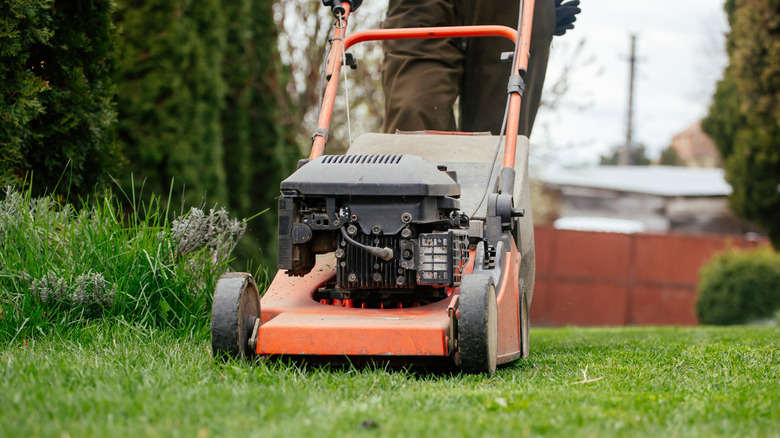
There are a lot of signs it's time to replace your lawn mower blades, but you can also do the math to get an idea of when it's time. If you're sharpening your mower blades two or three times a year, and they can handle about five to 10 sharpenings before they need to be replaced, then you will need new blades every two to five years. Variables like seasonal growth spurts put more hours on your lawn mower and make it necessary to sharpen more frequently at certain times of the year, but there are several factors that can actually impact how many sharpenings you get from a mower blade.
Your specific turf and mowing situation, meaning the type of grass you're growing, your soil type, and even the quality of blades on your mower, all impact this. Certain types of grass, such as zoysia and Bermuda, have thick, coarse leaves that wear metal down faster than softer, cool-season grasses. And as far as soil goes, if you're mowing on uneven terrain with hidden rocks and debris, then you're obviously going to have to sharpen your mower blades more often than someone mowing a neatly manicured yard. As far as blade quality, if you purchase a thicker, better-made blade, it won't wear as quickly and will have more metal to give before it needs to be replaced.
What you can do to extend the life of your mower blades
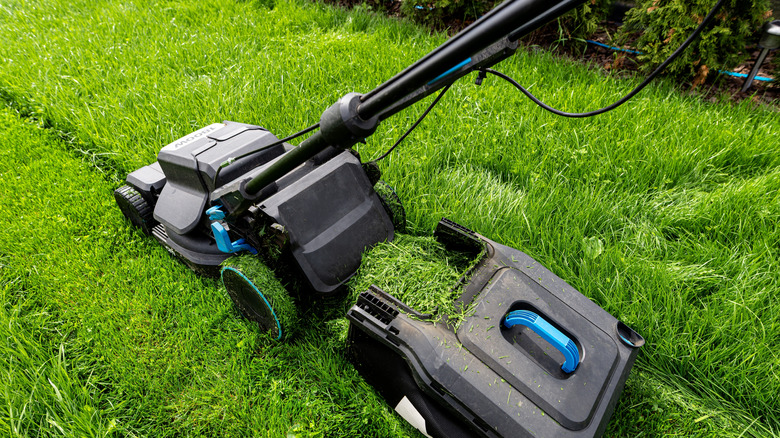
Whether you're sharpening or replacing your mower blades, it's a hassle you'd probably rather avoid. Purchasing a high-quality blade (like a boron steel blade) is one way to extend the life of your lawn mower blades, but there are several other steps you can take. One of the easiest ways is to sharpen your mower blades using a flap disc on an angle grinder, which is a less aggressive approach that doesn't eat away at the metal like a grinding disc does. You don't need a razor edge on your lawn mower blades anyway, since it just makes them dull faster and makes chips and cracks more likely.
Once your mower blades reach about 50% of their original width, they need to be replaced. To keep them from dulling prematurely, walk your yard before mowing to remove sticks and rocks. Mowing in wet grass dulls them faster, so try to avoid that. Mowing too short also wears mower blades down faster, and makes it more likely to scalp your lawn, which is really hard on the metal. It's worth knowing that if you use the mulching function on your lawn mower to make cleaning up leaves a breeze, this shredding takes a toll on your mower blades and you'll have to sharpen them more. However, you'll get all the lawn benefits of mulched leaves without having to rake your entire lawn.