

Not Coffee Grounds, Not Eggshells — The Sweet Kitchen Scrap You Could Be Adding To Compost
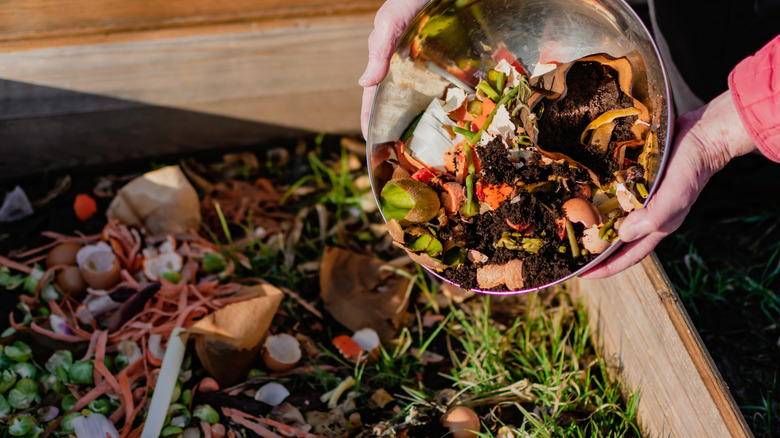
When it comes to composting at home, we've all heard of the more common go-to additions — the likes of coffee grounds, eggshells, fruit peels, and vegetable scraps. But there's another kitchen leftover that might just be worth tossing into the pile alongside everything else: old homemade jelly or jam from the back of the fridge. Just as long as it isn't contaminated with anything non-food-related, it can break down in a compost pile instead of ending up in the trash, so if you've just started composting and are wondering what can and can't go into your pile, this is one for the "yes" list.
Unlike store-bought jelly which may contain additives and colorings, homemade jelly should just be made from fruit, sugar, acid, and pectin. These are all organic ingredients that microorganisms can easily break down over time in the process of composting. And composting food scraps like homemade jelly also helps divert organic waste from landfill, where it can decompose without oxygen and produce methane instead. So this is a really simple way to make the most of food that's no longer edible whilst making the most of all the benefits of composting at home – you're reducing your household's overall food waste and eventually creating some nutrient-rich compost your garden plants will love.
How to compost homemade jelly the right way
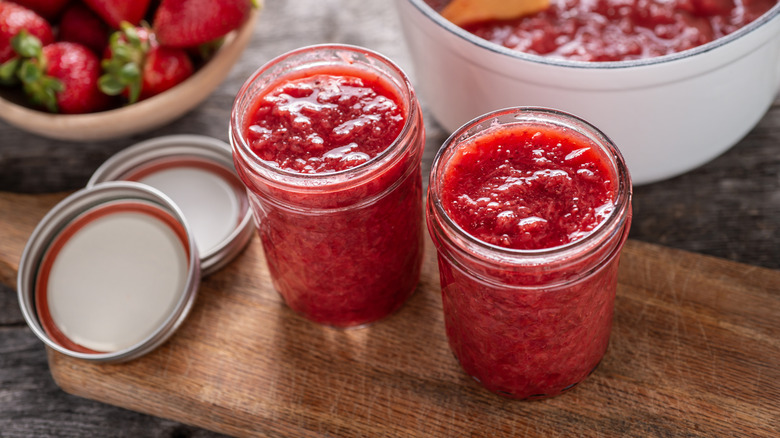
To make sure it breaks down properly, scrape your jam out of the jar, and mix the jelly into the middle of the compost pile (preferably in small amounts) before covering it with your "brown" materials (dried leaves, shredded cardboard, or paper) as this helps the sugar decompose without attracting too many unwanted visitors like rodents and bugs. While sugar does break down, it is true that too many sugar-laden foods run the risk of upsetting the balance of a compost heap which is why mixing in small amounts through the middle of the compost is the best way to give the microorganisms that do the hard work of composting better access to it. This will also help keep insects and animals away.
In addition to keeping fresh things covered, it is also good practice to turn the pile regularly as well as keeping the compost slightly damp — this can help discourage unwanted visitors and encourage the composting process. And these steps are a lot more effective than having to look for separate ways to deter or kill ants and other intruders down the line. And then the jam jar itself can simply be washed and recycled separately. As with most composting advice, balance is key, but a little leftover homemade jelly could be a surprisingly effective addition if it's added the right way.