

Not Copper Not Coffee Grounds: The Sun-Loving Herb With Flowers That Helps Keep Slugs Away
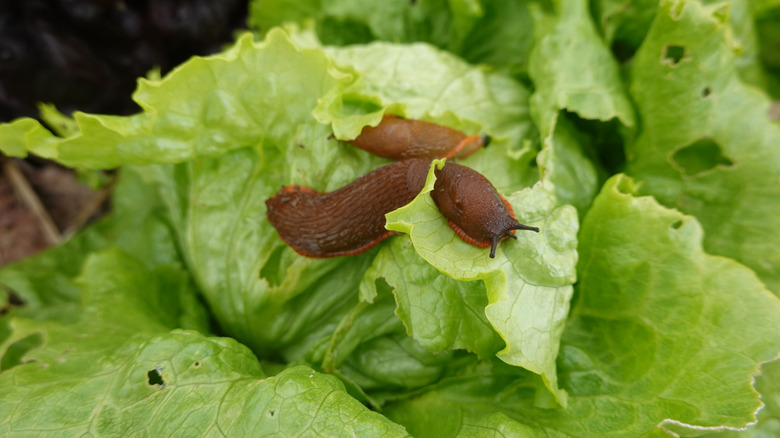
Did you know slugs can be one of the most destructive pests to enter your garden? Since they are most active at night, you might not even know they're sneaking in to munch on your foliage, flowers, and fruits like strawberries, tomatoes, and citrus. The first step of getting rid of slugs is to remove any potential shelter for them near the garden, but that usually needs to be paired with other control methods to fully address the issue. Coffee grounds and copper strips are commonly suggested control methods, but there are other eco-friendly options. If you're looking for tips to keep slugs out of your garden, you may want to consider a sun-loving herb that not only makes a great addition to your kitchen, but also blooms in spring and summer with purple flowers: chives (Allium schoenoprasum).
Like a familiar foible seen in classic cartoons, imagine that you're following your nose to a fresh and steamy apple pie, cooling on a windowsill. But as you lean in for a deeper whiff, you're hit with a wave of onion-like fumes! Slugs have a keen sense of smell. The pungent scent of chives confuses them, so they tend to steer clear of areas that are surrounded by the plant. What's more, chives also contain the compound allicin, which deters and could even kill the slugs, snails and their eggs. Chives are also a great companion for a wide variety of garden plants. For example, you can give fruit trees a boost with this easy-to-grow garden herb because it can prevent diseases that commonly plague the trees. Since fruits are among slugs' favorite foods, these additional benefits make planting chives to keep slugs away even more attractive.
Where to place your chives to keep slugs out of the garden
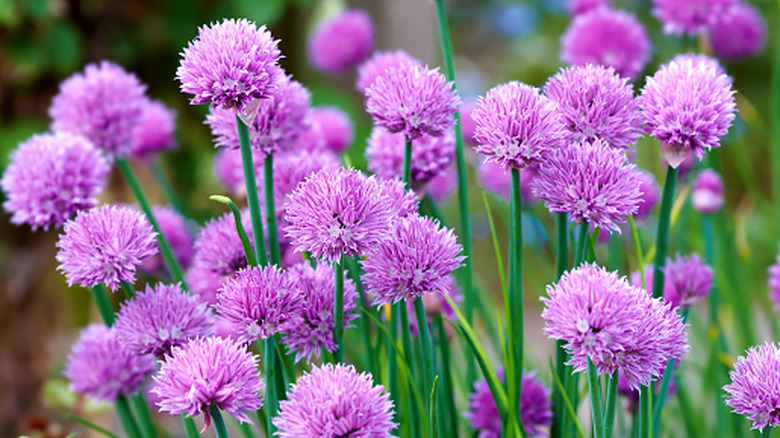
Chives are herbaceous perennials that grow in USDA Hardiness zones 4 through 8, which makes them ideal for growing alongside a wide range of plants that are commonly overrun by slugs. Chives will thrive in partial shade to full sun and various types of soil, but it's not enough to simply scatter chives throughout your garden and hope the slugs leave. Strategic placement is essential for using chives as a meaningful control method.
Planting your chives where you notice silvery mucus trails can ensure you address the areas with the most slug activity. Pairing them with the right neighbors can also improve the overall quality of the plants in your garden. Chives are a flavorful companion for basil with many benefits. Beyond keeping slugs away from your basil, it can also improve the flavor of the basil. There are some other garden favorites that slugs tend to snack on that make great companion plants with chives. These include tomatoes, roses, apples, strawberries, tulips, and lettuce.
Aside from plotting your chives near susceptible plants, you can also grow them in a border to create a sort of "fence" around the garden. This will work best if you address potential hiding places and manually remove the invaders first. You can also grow chives in pots that can be moved around to address current slug activity. Avoid placing your chives near any types of beans, peas, or legumes, since the chives can affect their nitrogen-fixing process, leading to weaker plants.