

Not Egg Shells: The Kitchen Item You Can Reuse For Your DIY Fertilizer
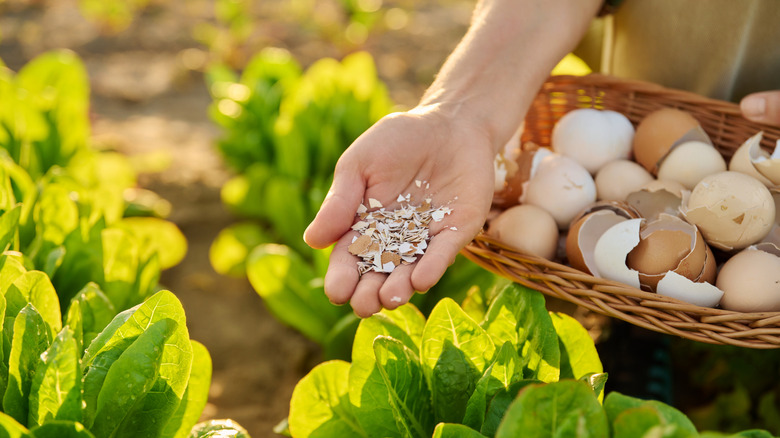
Imagine we're all gathered 'round, playing a friendly game of Catch Phrase, House Digest edition. If we said "DIY fertilizer," what's the first thing that comes to mind? Probably egg shells, and for good reason: This classic DIY can transform your garden while using up household waste (win-win). But there's another household-waste-turned-potent-DIY-fertilizer hanging out in your kitchen: that leftover green tea bag from this morning's cup.
If you've ever made a cup of green tea with a used tea bag, you may be skeptical of the idea that soaked tea leaves have anything left to give. While, yes, most of the nutrients and caffeine have drained away from that first cup of tea, the leftover leaves still retain some of the nitrogen, potassium, and phosphorus plants need to grow, making it an ideal fertilizer for some vegetation. Plus, mixing the leaves in can help boost your soil and attract earthworms.
Used green tea leaves can work wonders in the garden, but it's important to keep a bit of perspective. Repurposing used tea bags in your garden is a long game; some gardeners report that it could take two weeks or more to fully break down into the soil. The key is to use it consistently.
How to use used green tea leaves to feed your plants
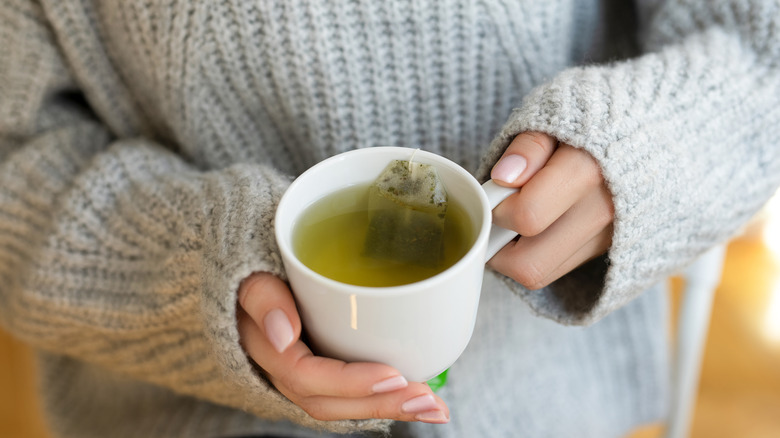
Before you pour the dregs of your morning cuppa over your garden, there are a few things to know. First up, aim to use organic green tea if possible, and skip the flavored stuff. If you use bagged tea, check that the bags are compostable; the polypropylene-sealed ones won't break down properly. Not sure if the bag is paper or not? If it's triangular-shaped, glossy, or has wavy edges, it's likely plastic. If it's plastic, or if you're not sure, tear it open and remove the leaves inside. If you use the whole bag, make sure to cut off any tags, strings, staples, and anything else so you're left with just the paper bag and tea leaves.
DIY green tea fertilizer is best used with plants that prefer acidic soil, like roses, tomatoes, blueberries, or your desk's spider plant. Plants that thrive in more alkaline or neutral soil, like lavender or peonies, won't love the acidity level; use something else to feed them instead. Measure the pH of your soil before using the leaves, just to make sure you don't accidentally stress your plants.
Using the leaves as a fertilizer is simple. After brewing, let the leaves cool to room temperature. Scatter the cooled leaves thinly and work into the top half-inch of soil of indoor or outdoor plants. If you have paper teabags, bury them directly in the outdoor soil. Or, add the used teabags into your compost pile as green material to help it break down faster and create nitrogen-rich compost your plants will love.