

Ditch Traditional Landscape Fabric For A Natural Material That's Got An Added Benefit
We may receive a commission on purchases made from links.
I detest landscape fabric. Even if I weren't a permaculture specialist, I would still hate it. As a master gardener with over two decades of experience, this is one of my real bugbears. Even the stuff that is greenwashed as being eco-friendly and heavy-duty still comes apart and shreds within a couple of seasons. This awful product is generally woven plastic strips, and weeds quickly push through it. Roots get tangled in it and it begins to fray and becomes a tangled mess that is incredibly difficult to dig out. Over time, it breaks down into tiny plastic particles that are essentially impossible to remove from the soil. Landscape fabric is a significant contributor to microplastic contamination in the soil. Understandably, I steer people away from synthetic weed barriers in their planting beds as it causes so many issues, and it's so easy to make mistakes when using landscape fabric. Putting landscape fabric in your beds reminds me of the way people used to use carpet in the garden. In my experience, it creates many of the same problems over time.
A better natural alternative is jute matting. It looks and feels very much like burlap but the weave is tighter and denser, so it has real use as an effective weed suppressant. It's not the same as jute mesh, which has an open net-like structure. Jute matting is a true high-density woven fabric, so it blocks the light that weed seeds need to germinate and the tight weave prevents weeds pushing through quickly. Jute is a natural, porous material, so rainfall can pass straight through, along with nutrients you apply, such as fertilizer teas.
Why jute matting is the best choice for natural weed suppressant
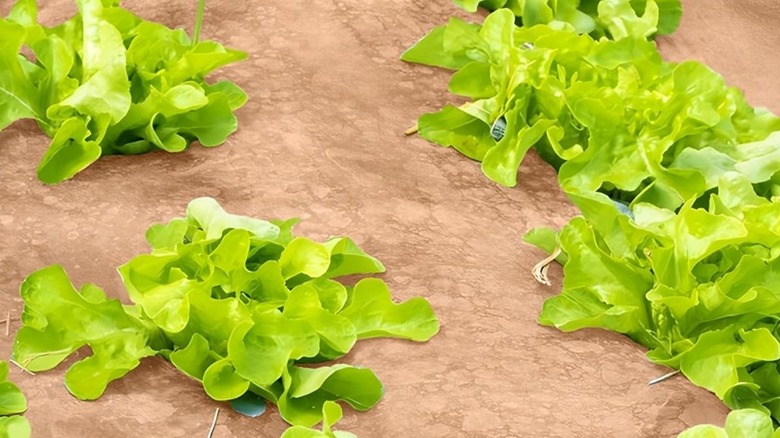
Aside from the fact that jute matting doesn't contaminate the soil and doesn't shred into infuriating tangled strips, I'm a big fan because it's so versatile. You can use it to suppress weeds in a new bed or to cover the soil around established shrubs and perennials before you add a layer of bark chips or other organic mulch. It's also useful because it helps to retain moisture in the soil beneath, limiting evaporation and runoff. It is a great if you're creating a low-maintenance perennial flower garden and want to suppress weeds while improving drought tolerance.
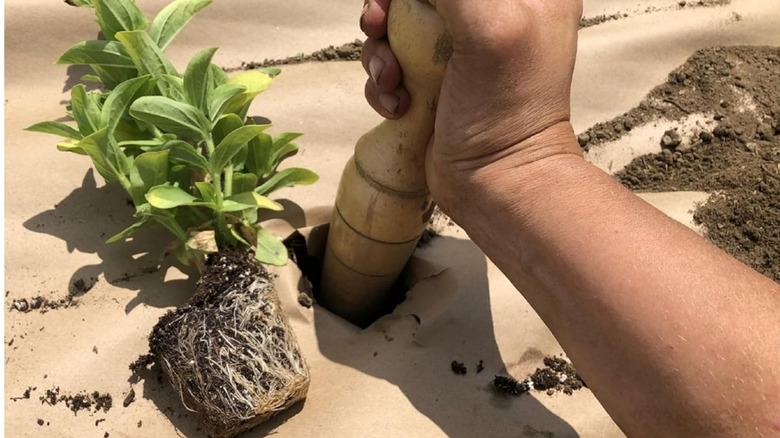
Jute does decompose over time, adding organic matter back into the soil instead of leaving behind plastic fragments. This type of densely woven fiber matting takes around 18 months to fully break down. By this time, any shrubs and perennials you planted should be established enough that they will be unbothered by any weeds that do try to push through. For annual and vegetable beds, they'll be harvested or have died back. You can then work on keeping weeds at bay by mulching or growing living mulch. One primary benefit of jute matting that isn't talked about enough is its use for slopes. Unlike synthetic weed barriers, jute conforms to the soil and is pervious, so it helps stop soil particles falling or washing away, and it lets rain through, reducing runoff. You can also plant ground cover that's good for stabilizing soils, such as creeping juniper, directly through the matting. It quickly anchors in and starts to spread right through the jute. By the time the jute has broken down, the stabilizing plants have already taken root, taking over the stabilizing work that the jute was doing.
How to install jute matting to suppress weeds
Installing jute matting is much easier and more reliable than weed suppressant landscape fabric or cardboard. Jute matting is heavier and behaves more like a true fabric, so it drapes itself over the ground. The weight of it means that it conforms to the shape of the ground so you don't need to worry about leveling the bed in the same way as you would if you used landscape fabric or cardboard.
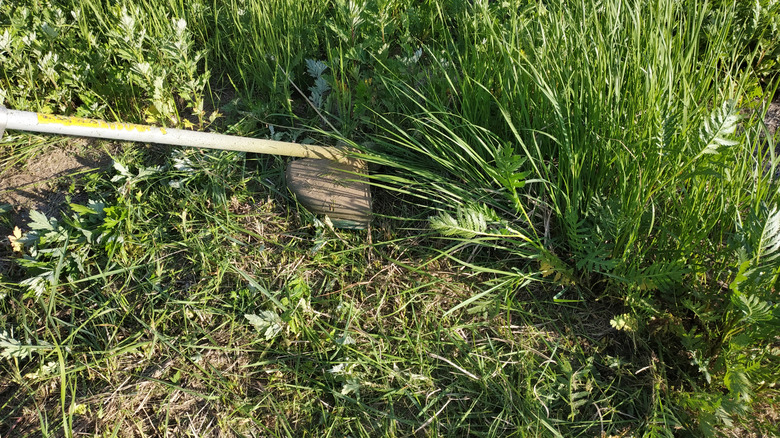
I always recommend trimming the existing weeds down as low as possible. Instead of removing them, let them lie on the surface unless they have dried seed heads. As long as it's just stems and leaves and no seeds, leaving the weeds laying on top of the area you're about to cover just adds an extra layer of coverage to help suppress the weeds naturally. Plus, the plant matter you have just cut down will break down into useful organic matter that will help improve the soil. Then all you need to do is lay the matting over the prepared soil and secure it with biodegradable landscape pins, like these 4-inch Biodegradable Landscape Pins from GreenStakes, at the edges and anywhere there are overlapping seams. If you do need to overlap, make sure you allow at least 4 inches, as this gets rid of any gaps where weeds could bypass the fabric.