

Say Goodbye To Slugs With This Eco-Friendly Yard Upgrade
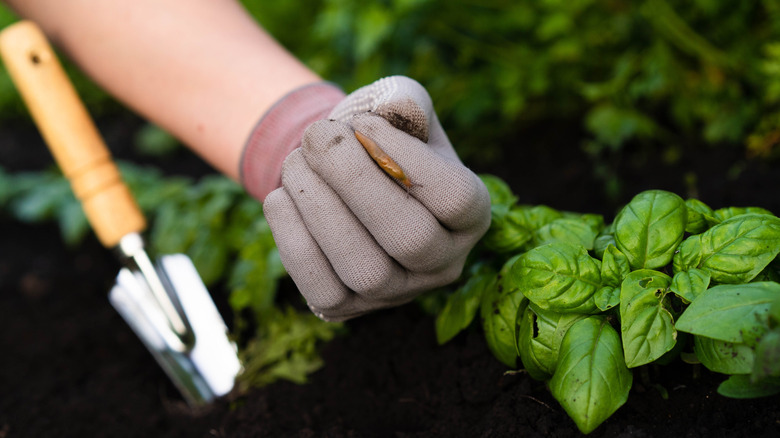
If you excitedly watched a batch of young seedlings begin to grow only to return to the chewed up remains of stems gleaming with tell-tale silvery trails, you're probably at your wit's end with slugs and are ready to take some drastic measures. Before you reach for a can of poison, there's a safer, more eco-friendly approach you can take to control their slimy population. You can say goodbye to slugs in your yard with organic methods, such as upgrading your yard into a healthy ecosystem where these pests are naturally kept in check.
If you're battling slugs in your own garden, you won't be surprised to learn that these mollusks can destroy the cabbage, beans, tomatoes, lettuce, and strawberries in your edible beds, as well as damaging some of your favorite ornamentals — including hostas and impatiens. Maybe you've tried the popular toilet paper collar solution to keep slugs off your plants but want a longer term approach. Taking steps to turn your backyard into a healthy ecosystem is the perfect eco-friendly way to create a long term balance where slugs aren't destroying your favorite plants.
Create habitat for natural predators to help control slugs
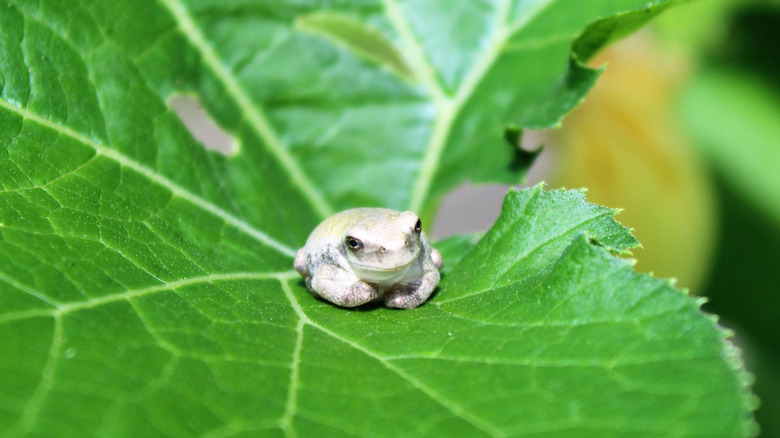
What you'll need to help you say goodbye to slugs in your yard is to enlist the help of some friends. Not fellow gardeners, in this case, but natural predators of your backyard mollusks. The friends you want to call on for help in this case include frogs and toads, as well as birds and snakes. In order to attract these natural enemies of slugs, you'll need to take steps to make them welcome, including growing plants and adding other habitat elements that will allow them to thrive. This is an eco-friendly approach where you let other critters eat the pests rather than killing them yourself.
You could choose to add adorable ducks as the answer to your slug problem, but if keeping livestock isn't a goal or possibility for you right now, you'll be better off attracting wild birds instead. There are many different berry-producing shrubs and trees you can grow to draw wild birds into your yard. For the best results, choose species that are native to your region. As for making eco-friendly habitat for toads and frogs, incorporating a water feature into your yard will make it more hospitable for them. Additionally, you can find a sweet yard use for broken terracotta pots when you fashion those unused pieces into toad abodes to help control your resident slugs. Take steps like these to upgrade your yard into a healthy ecosystem, and you won't notice as much damage from those slimy garden pests.