

No More Fading Pavers: The Sealant That's A Great Eco-Friendly Patio Alternative
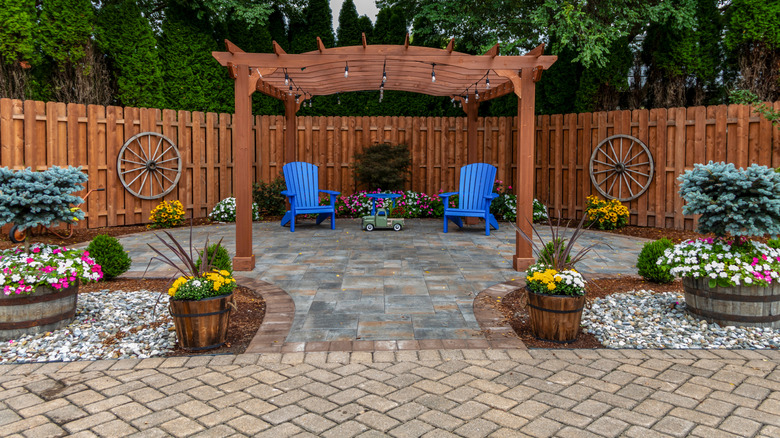
There are plenty of ways to tackle driveways, paths, and patios, but pavers add a certain class. Pavers are available in a variety of colors, textures, and materials from budget-friendly concrete to brick, flagstone, and even marble. The right type of paver can create the patio of your dreams, but over time, even rich, warm colors will fade. Historically, people have used solvent-based sealers, but these are far less eco-friendly than modern, water-based versions.
The issue is that, with the exception of certain materials, such as porcelain, a lot of pavers are porous. In the summer, the sun's powerful UV rays can cause fading. In wet weather, moisture penetrates the surface, creating a breeding ground for algae and moss. The unprotected surface is also more vulnerable to staining from spilled food, liquids, sunscreen, and more.
When you've spent time and money on a patio to turn your backyard into an oasis, the last thing you want is to tackle these problems. Sealing that porous surface is the obvious solution. There are two issues with solvent-based products. First, they are often high in volatile organic compounds (VOCs) that are bad for the environment. Second, they can produce strong fumes that may cause breathing difficulties with heavy exposure. Fortunately, water-based paver sealers can reduce the risk of those issues.
What makes water-based paver sealers the go-to solution for your patio
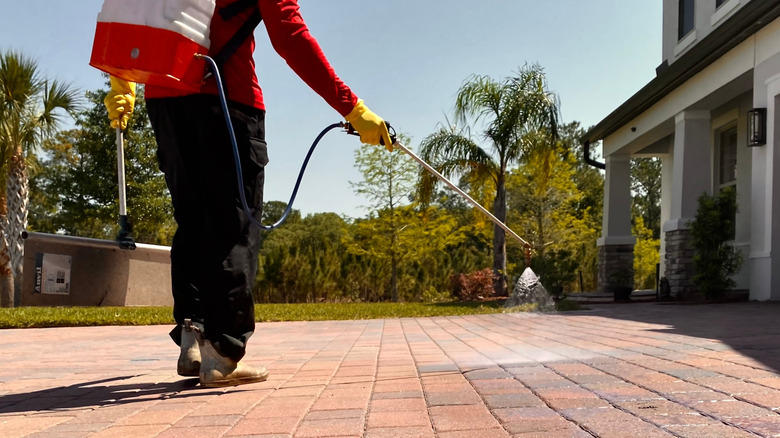
Whether you're building a patio from scratch or you've noticed some of the telltale signs that it's time to reseal your existing pavers, modern water-based sealers can achieve the same results as solvent-based sealers with fewer downsides. Water-based paver sealers have low — or, in some cases, even zero — VOCs. They have minimal odor and are typically less toxic. That means they're safer to use and, once dry or cured, safer for children and animals, too. Cleanup is also easier. Spray equipment or rollers can be cleaned with water rather than solvent-based cleaners.
There can be a significant visual difference. Solvent-based products often seal the top surface, resulting in a wet look. Meanwhile, water-based alternatives typically penetrate, typically leaving the paver's appearance unaffected. However, alternative finishes are available, such as satin and semi-gloss. A side effect of solvent sealing can sometimes be hazing: a whitish appearance from moisture that gets trapped under the surface. This is less common with water-based sealers. Although they protect the pavers effectively, they generally don't choke the material, so it remains breathable.