

The Variety Of Bee Balm That Resists Mildew While Attracting Hummingbirds
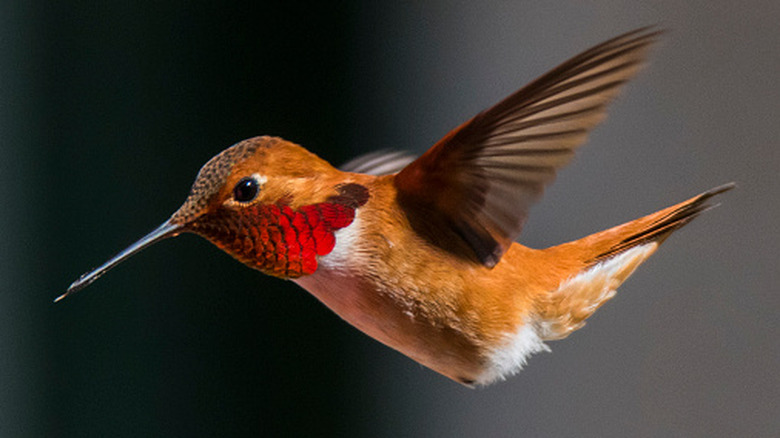
Imagine stepping out into your garden and seeing not only the striking colors of a plant you carefully cultivated yourself but the jewel-tone plumage of the hummingbirds it can attract. When it comes to starting your own pollinator garden, bee balm (Monarda spp.) can be one of the top choices for many gardeners. However, while bee balm may serve as a hummingbird magnet, it's often susceptible to powdery mildew and similar problems. Fortunately, there is one hybrid that gives you stunning purple flowers that hummingbirds adore all while resisting mildew.
The 'Electric Neon Purple' bee balm (Monarda 'Electric Neon Purple') is a true thriller plant, sporting eye-catchingly saturated purple flowers that are as fragrant as they are visually appealing. It even has fragrant leaves with a scent similar to mint. Those blooms aren't just easy on the eyes, however; instead, they're also useful for bringing more pollinators to your yard, including butterflies and bees as well as those hummingbirds that you love. However, one of the best parts of this plant is that it's highly resistant to powdery mildew and related diseases. Since this can be a notable problem with bee balm, it reduces the likelihood of a friction point, making this a good plant for beginner gardeners looking to light up their yard with color without worrying excessively about foliar diseases.
How to grow 'Electric Neon Purple' bee balm
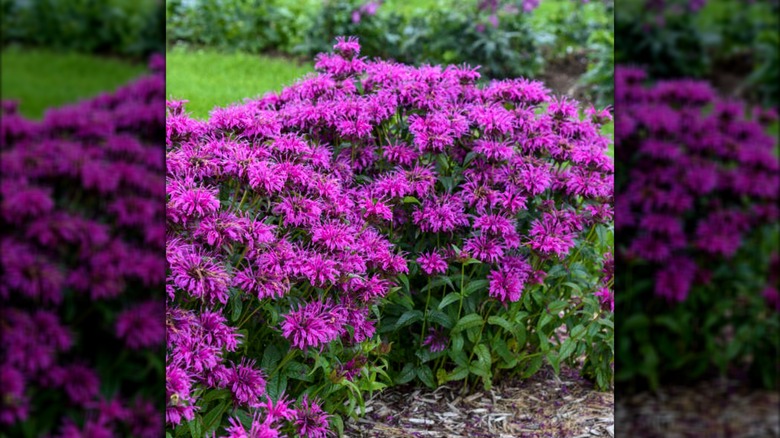
There are two main factors to consider when choosing whether the 'Electric Neon Purple' bee balm is the right hummingbird plant for your garden: USDA growing zones and sunlight. If you don't have the right climate or light to support this plant, you may wish to pick a different option for the best chest of attracting as many hummingbirds as possible. This bee balm variety is hardy in zones 4 through 8. It can grow in both full sun and light shade. However, for the best results, full sun is often recommended.
As far as soil goes, this bee balm plant isn't picky. While it does prefer soil closer to its natural habitat, it's flexible enough that you can readily add it to other areas as a way. For the most optimal results, plant this bee balm in rich, moist soil. However, if you aren't able to provide these conditions, don't fret: it can also be grown in average soil conditions as well.
When it comes to attracting hummingbirds, ensuring your bee balm has the most optimal blooms possible can be one of the best ways to make your garden more attractive. One way to do this is by deadheading. While it can take extra time to complete this common garden chore, deadheading any spent, lackluster blooms will encourage your plant to produce more of those colorful flowers that hummingbirds adore.