

The Lawn Mower Tip That'll Help Bermuda Grass Survive The Summer Heat
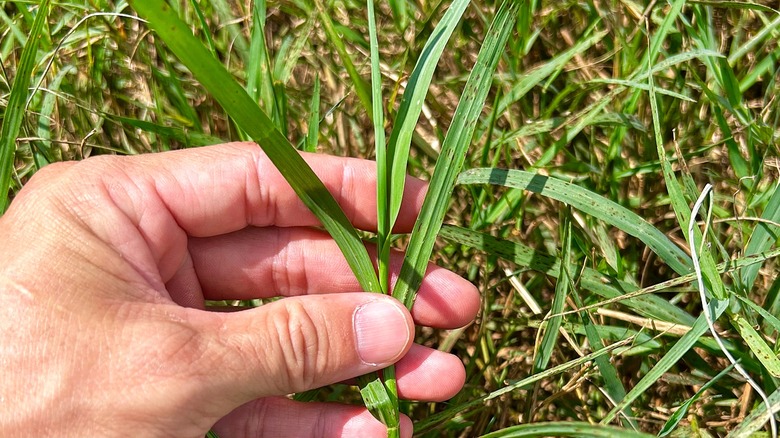
Even a heat-resilient ground cover like Bermuda grass (Cynodon dactylon) can struggle under certain conditions during extreme summer temperatures, developing brown or light-colored patches that clash with the green. Throw in droughts and the situation is even tougher. While you can't change the weather, adjusting your lawn mower settings is one part of helping this warm-weather grass thrive. To help Bermuda grass survive a hot summer, make sure the grass isn't mowed too short – keeping it at least 1 inch — so its roots can grow deeply and soak up any available moisture.
While Bermuda grass is grown on purpose in areas including the Southwest, some states have placed restrictions on the way it can be cultivated and distributed due to its weediness, so check with local sources before planting it. The grass is suited to warm seasons and climates, which means you'll most likely see fast growth in the summer that requires upkeep; if you hate mowing, choosing this type of grass for your lawn is a big mistake. And even though it's advised to keep the grass toward the taller height recommended for its species, its ideal height is still shorter than what's good for cold-season grasses such as tall fescue and Kentucky bluegrass.
How high to grow Bermuda grass during the summer
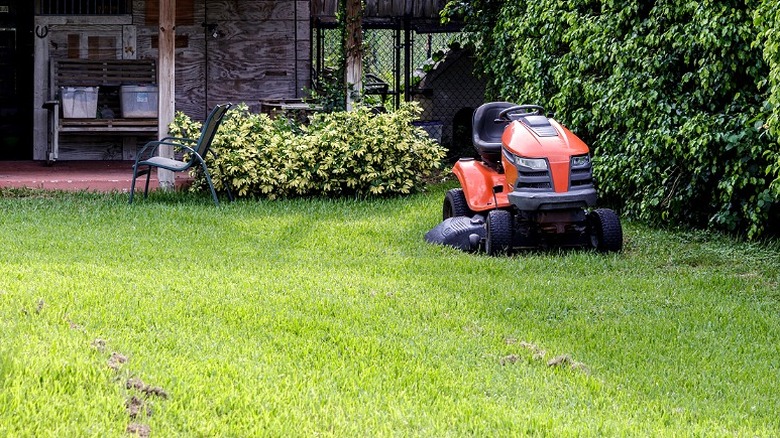
In the height of the summer, you can let Bermuda grass grow up to 2 ½ inches and shouldn't cut it shorter than an inch. Keeping it toward the taller end makes it easier to grow and care for Bermuda grass, providing the turf with more energy as it can grow deeper, stronger roots able to make the best use of water and nutrients.
Mowing this type of lawn is recommended weekly, but when there's a summer drought, it's better to mow less often to reduce the stress it puts on the grass. Conversely, when you're expecting rain, it can be cut a bit shorter to minimize the danger of fungus growth. Another thing to keep in mind is the mowing rule that's crucial for a luscious lawn: Don't cut more than a third of the grass at once.
When the grass is tall enough that you won't lose more than a third (for example, 3 inches if you're aiming for a 2-inch lawn), use a sharp-bladed lawn mower that's set to take off the desired length. Rotary mowers are better for taller height. Start the process by measuring the length from the ground to the mower's blade.
Take this information and factor in how tall the grass is; you may need to adjust the mower's cutting mechanism, which often has options to cut between 2 and 4 inches. Once the setting is as you'd like it, push or ride it over the lawn. Let the clippings fall into the lawn as you mow, or turn them into a mulch that can provide the Bermuda grass with extra nutrients.