

13 Of The Biggest Wastes Of Money You Can Spend On Your Garden
I'm a master gardener with two decades of experience in permaculture growing — and I'm also somebody who hates wasting money. It frustrates me and makes me sad when I see people continue to waste money on overpriced or next-to-useless products for their garden. Many products, like ultrasonic pest repellers, are heavily marketed, even though they have known and documented failures, or they just don't work. Yet, they keep selling, because they are targeted so heavily at desperate gardeners who don't know better.
Yes, of course, you'll need to spend money on your garden, but I'd only ever recommend spending it on things that truly help your garden be healthier and more fruitful. Plus, with a little bit of knowledge and creativity, you can learn techniques and DIYs that allow you to forego many products altogether. Or, you can find cheaper, more effective alternatives, and maybe you can learn how to fix the root cause of the problem you're trying to correct, rather than just the symptoms, so you're not constantly depending on an expensive product or intervention.
Japanese beetle traps
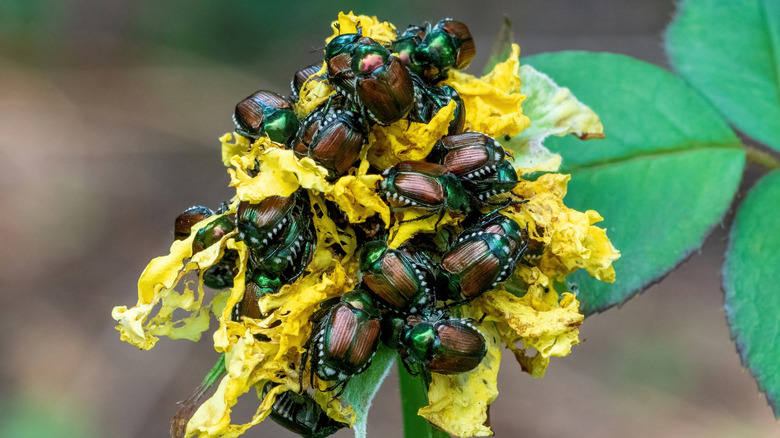
Unfortunately, Japanese beetle traps are not as great as retailers make them out to be. Yes, they do capture many beetles, as they work on a pheromone basis that draws the beetles in from a wide area. However, some field research found that gardens close to a Japanese beetle trap often end up with more total feeding damage than those where no trap was used. Japanese beetle traps are magnets for these pests. It's how they're supposed to work. While it's a nice idea that they capture large numbers of Japanese beetles that are already present, they also bring them from further afield and concentrate the problem in a small area instead of actually solving it. And all of those extra Japanese beetles will lay their eggs in the soil where they will overwinter and you'll have an even worse problem next year.
There are far more reliable ways to keep Japanese beetles out of your garden. Because I practice permaculture principles, I use a combination of companion planting catmint and garlic as deterrents, and I also hand pick the beetles. Other options exist, including the use of beneficial nematodes and milky spore disease. Both of these specifically target Japanese beetles at the larval stage, so they work in the soil before the beetles morph into adults. While it won't help with a current adult problem, these larval treatments work to kill future generations. You can also use floating row covers to protect vulnerable plants during peak Japanese beetle feeding season.
Landscape fabric in planting beds
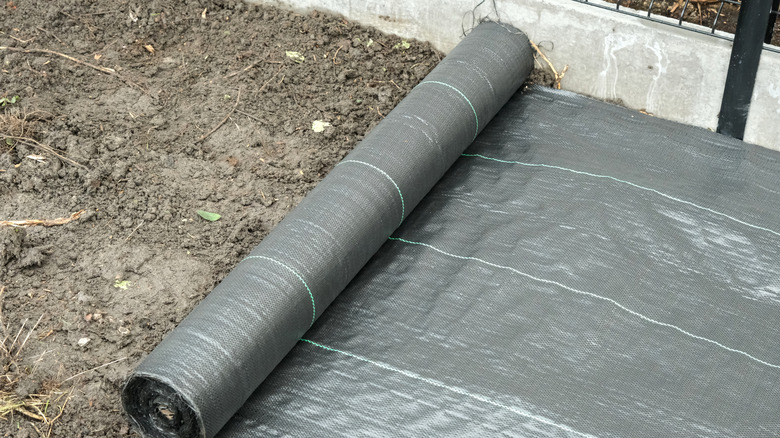
Landscape fabric in your planting beds is probably the most destructive waste of money for your garden. This woven plastic sheeting is dreadful. It is unbelievably difficult to remove once it's in there, because it breaks down into horrid, tangled strips of plastic. It doesn't really reduce or suppress weeds for very long, either. They simply push through the loosely woven "fabric." The heavy-duty stuff isn't much better. It will still shred into strips. This is a colossal waste of money and more than that, it is detrimental to your soil, because as it degrades, it releases microplastics that contaminate the soil and are genuinely impossible to remove.
The longer you leave it, the harder this stuff is to get rid of. Digging it out is laborious, backbreaking work. A better option that costs nothing is to use cardboard as sheet mulch. Several layers of overlapping clean cardboard will provide an effective weed suppressant base layer in growing beds and borders. You can then top it with soil or a layer of mulch. For something that lasts a bit longer, but that will eventually break down into natural and organic components, jute matting is worth considering, too.
Copper tape for slugs
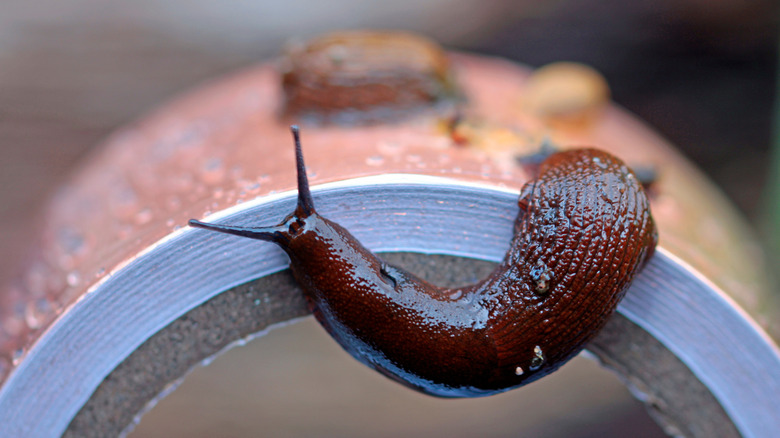
Copper tape has been touted as the sure-fire way to keep slugs away from your plants for decades, but it's expensive and, as it turns out, not that effective. The idea is that slugs won't cross copper, because the metal reacts with their mucus and creates a sensation that slugs don't like. It does work in perfect conditions and it has the benefit of being a chemical-free method of pest control when there is a lot of slug pressure. Unfortunately, testing under real garden conditions found that plants behind a copper tape barrier lost just as much leaf matter to slugs as unprotected plants nearby. It was found that slugs would persist and find their way around, through, and under physical barriers on a consistent basis. Interestingly, the same study found that all commonly suggested barriers, including mulch and crushed eggshells, also made no impact on the amount of damage sustained by the lettuce plants due to slug feeding.
Don't waste money here because, although it works if you get the setup perfect, there's a good chance that you'll overlook a mistake that makes copper tape less effective. I control the population by encouraging predators, putting vulnerable plants in positions that slugs don't like — such as in an area of limited cover and bright sunlight — and I use beer traps. These are just cheap beer in an old jar with the lid removed, buried in the ground at roughly soil level. If you do try the beer trap method, make sure you put a stick in the jar so that other insects that might inadvertently fall in can get out again. You can also use nematodes to control numbers, but do remember that nematodes that attack slugs will indiscriminately attack all species, including beneficial carnivorous slugs like the leopard slug, that don't eat your plant matter and instead eat other slugs. Like many garden pests, controlling slugs requires a multi-pronged approach. Please don't use slug pellets though. Even those sold as natural or organic, iron phosphate pellets can do harm to other wildlife, not to mention your pets. Given that there are so many other natural and organic ways to control slugs, it's really not necessary.
Ultrasonic pest repellers
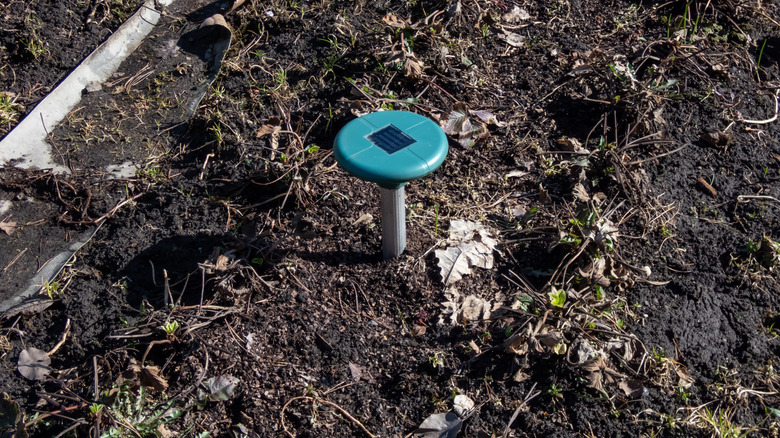
I've never liked the idea of ultrasonic pest repellers, because it's more than just your typical garden pest that is capable of hearing a wide range of frequencies. I have dogs and cats, for example, that I know would not react well to having ultrasonic pest repellers anywhere near them, and I'd also question their efficacy. Because the products aren't regulated, they are still sold with the same dubious claims today as they were back in the '80s. Yet, in multiple studies and trials the products have proved to be ineffective against rodents and insects. Even where studies observed an initial deterrence, the creatures in question quickly grew accustomed to the noise and resumed normal activity in the area.
I don't see that they are effective enough to warrant wasting money on them, particularly when they can harm my pets, livestock, and helpful wildlife. Bats, too. Their hearing spans from a few hundred Hz to around 200 kHz, which means that ultrasonic pest repellents could potentially disrupt bat foraging, which would be disastrous, as they are quite incredible pest controllers, consuming huge numbers of insects. You are much better off figuring out exactly what insect or rodent you're dealing with and finding an appropriate effective method of controlling that particular creature.
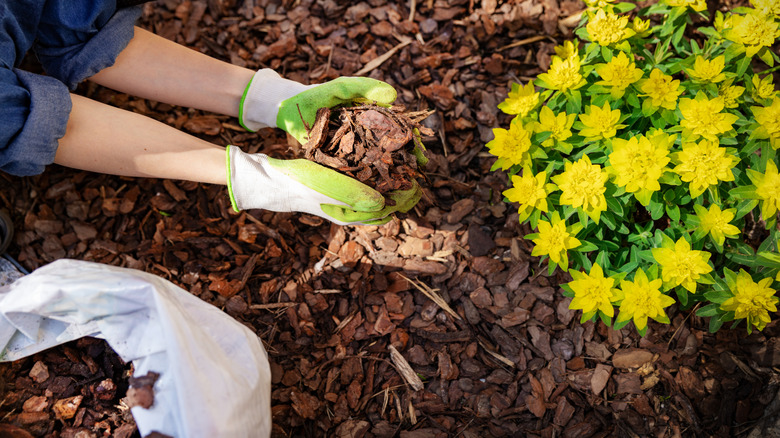
Bagged mulch for any project over a couple of beds
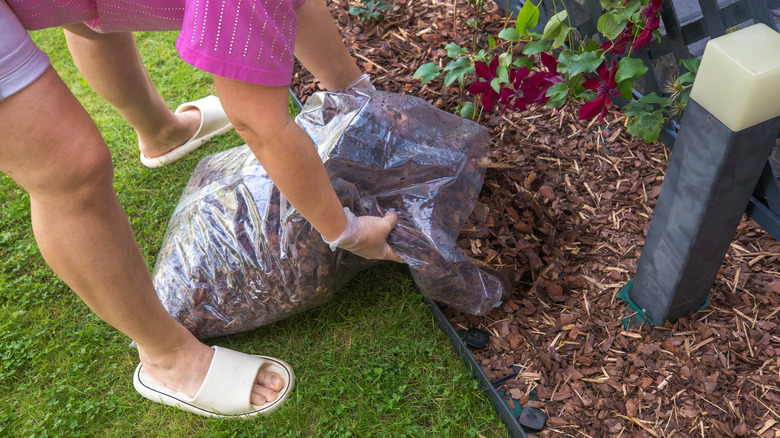
If you need to cover just a couple of feet with mulch, such as one small raised bed, then standard small bags are a reasonable option. Covering a larger area than this makes purchasing those small bags incredibly expensive. They are really more convenience products than good value.
If you have a larger area to cover than just a few feet, you are better off going to a local landscape supplier and ordering it by the yard. You can often get it delivered in convenient 1-ton bags and you will get a far better price per square foot delivered. If you use a reputable supplier, there's a good chance that the product will be better quality, too, as it hasn't been sealed inside plastic bags that accelerate fermentation for months on end. Bulk ordering will save you money over buying small individual bags.
Non-regional wildflower seed mixes

Local wildflower seed mixes are fantastic. They are low maintenance, look beautiful, grow well in their native regions, and let you create a meadow area that attracts all kinds of pollinators, insects, and small creatures. The non-regional ones, however, are a complete waste of money. If they are filled with flowers that aren't suitable for, or native to, your area, at best you get one season of annuals that may struggle. At worst, none will flower or you'll get a vigorous species in the mix that's not native and will smother any delicate natives it's growing near.
If you want to buy a low-maintenance flower mix, then choose one from a native seed supplier that has region-specific mixes. You may also want to create your own wild meadow planting by choosing specific, colorful wild flowers. You can also get starts of most of these plants that will outcompete weeds easily, so they will need less attention as they get established. I'd recommend anyone plant native annuals and perennials in spare garden space, because these plants have the best chance of needing the least input from you, as they are growing in the climate they evolved in. Plus, if you're trying to create a pollinator-friendly garden, it makes sense to plant flowers that the pollinators in your region will be automatically drawn to.
Commercial deer repellent spray as a long-term strategy
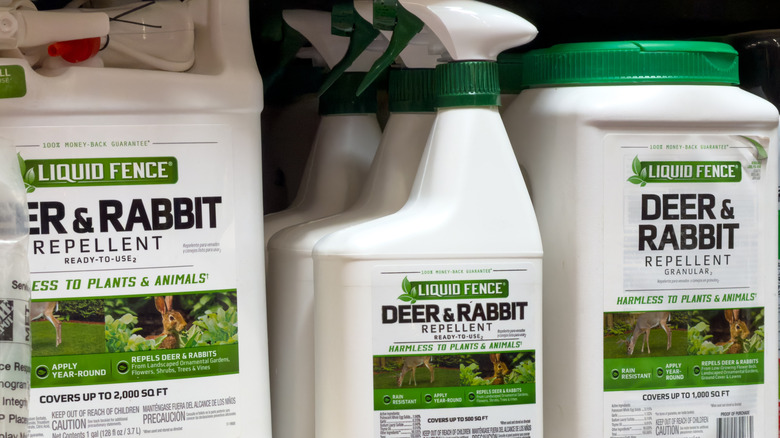
In most cases, commercial deer repellent sprays are a waste of money, because you have to use the products on an on-going basis and reapply after each heavy rain, or after a short few weeks of dry weather. Deer can grow accustomed to particular scents, too, so you have to rotate products on a fairly regular basis, and new growth has to be treated as it appears. Otherwise, the deer will eat the new tender growth that doesn't smell bad. This adds up to a significant annual expense.
One homemade option that outdid commercial products it tested against is simply three eggs blended into a gallon of water. This costs next to nothing, even across a whole growing season. It's important to note though that the DIY egg spray has the same weakness as commercial sprays, in that it needs to be reapplied after heavy downpours and applied on new growth, too. It's still far cheaper than commercial sprays. Neither commercial deer repellent sprays nor homemade egg mixture will reliably keep away deer who are particularly food stressed. If they are hungry enough, then they will eat the plant regardless of what you spray on it.
I have persistent deer in my neck of the woods and know how difficult it is to keep them out. I fence off anything that I don't want the deer to eat, particularly my food crops, as they will decimate whole harvests of root crops, squashes, and fruit. Where I don't want fencing or it's not practical to install, I rely heavily on plants that deer don't like, such as rosemary, lavender, and sage.
A rototiller for established beds
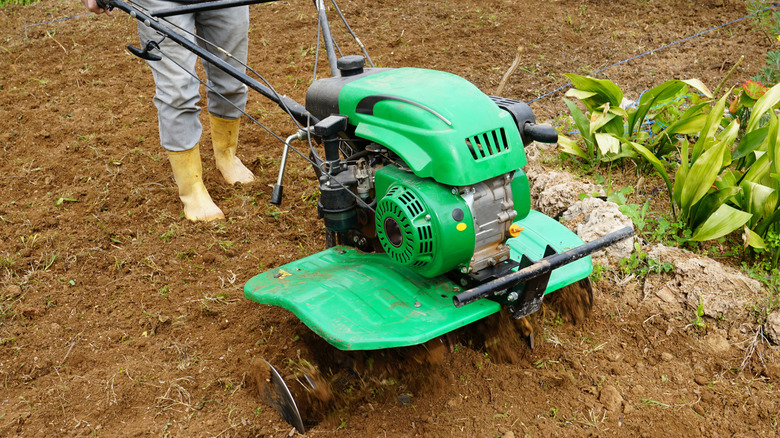
Rototilling established beds is an old-school garden habit that really needs to be forgotten. It's a waste of time and money, and it's destructive too. Established beds have years of well-established structure, worm and microbe populations, and mycorrhizal networks. Earthworm channels, for example, help to manage aeration and drainage, and the fungal networks in the soil help plants access nutrients and water. Every time you till, you ruin what nature has spent a year or more building. You collapse the earthworm tunnels and sever the connection between the mycorrhizal fungal networks and plants and you ruin the soil structure.
Each time you till, you bring a fresh batch of dormant weed seeds up from the seed bank to the soil surface, where they can germinate readily. If you've got a healthy established bed, you shouldn't be facing any problems with compaction, so you don't need to rototill or even use a broad fork. Top dress the beds on a regular basis with compost, straw, and other forms of mulch that the earthworms and other soil organisms will slowly break down and incorporate naturally into the soil. You don't need to spend money hiring a rototiller. With an established bed all you'd be doing is paying to ruin the soil's structure.
Oversized nursery trees and shrubs
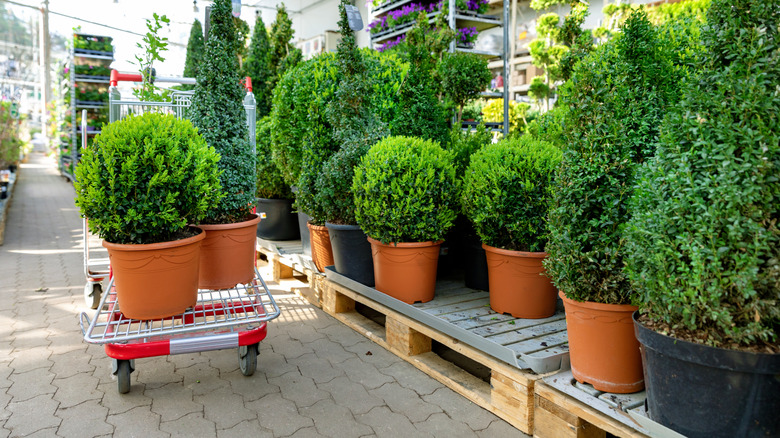
When it comes to buying trees and shrubs, people naturally assume that bigger is better, so buy the biggest specimens they can afford. They assume that the bigger the tree, the bigger the root mass, therefore the quicker they'll get established and start to grow. The reverse is true. Larger transplants do have a larger root mass, but that results in more root disturbance relative to their canopy size. They end up spending several seasons without exhibiting much in the way of growth as they recover and attempt to rebuild their root system.
Smaller specimens generally recover and establish faster, and can overtake larger ones within a few years, as they have to expend less energy to survive transplant damage. Therefore, buying the biggest trees and shrubs you can as a shortcut to bigger, healthier, more established plants is false economy. Choose a healthy looking small to medium specimen that has a better chance of getting established faster, and will cost you less money.
Cheap thin-board raised bed kits

Cheap raised bed kits consisting of thin boards tend to be unreliable and disappointing. 1/2-inch or 1-inch lumber looks fine to begin with, but struggles to cope with the sustained outward pressure of a full bed of wet soil. The boards bow and splay sometimes within just the first season or two. Having to replace them regularly means you'll end up spending more than if you bought or built a better quality bed to begin with.
If you stick to simple designs, these types of raised beds are very easy to build yourself using 2-inch thick lumber. There are lots of materials to choose from for DIY raised garden beds. Going this full DIY route will cost you significantly less and will get you a bed that lasts. Just avoid getting too fancy with difficult shapes or multi-tiered raised beds, unless you have the DIY skills to cope.
Annual flower transplants for direct-sow species
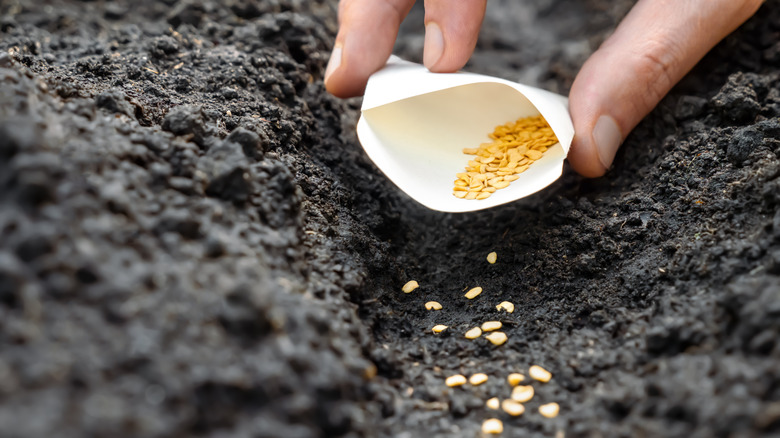
I know people who spend a small fortune every year buying six-packs or bulk buying 24-packs of transplants for things like zinnias, cosmos, marigolds, and basil. I understand that it's a tempting shortcut. But compared to a packet of seeds that usually contain several hundred seeds, buying transplants is a huge waste of money. While it makes sense to buy things that are difficult to germinate like rosemary and lavender, easy direct-sowing annuals require nothing more than sowing after the last frost, consistent moisture for a week or so, and a couple of weeks of patience. It makes very little sense to waste so much money on buying a handful of starts.
Yes, if you have a fairly short growing season and you want to grow things like tomatoes, peppers, and even celeriac, buying transplants makes sense, especially if you don't have the right indoor setup to get them off to an early start. For easy warm-season annuals, skip the transplants and learn to grow your own from seed, and you'll save a surprising amount of cash. You may even have your own transplants to sell or gift if too many of your seeds germinate for you to use.
Root vegetable transplants
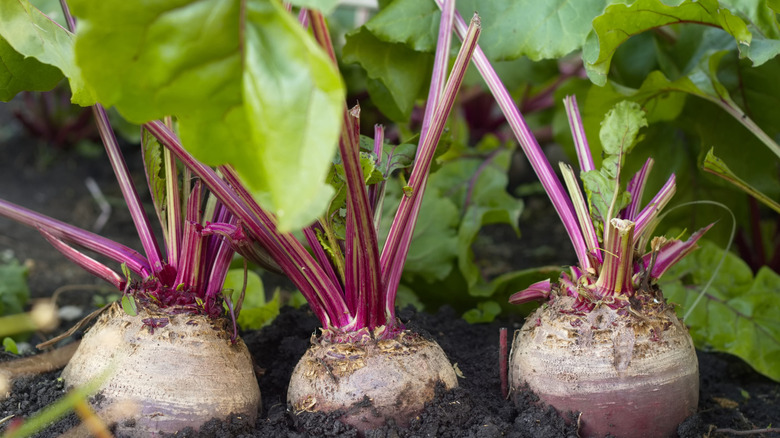
Root vegetable plants are a con, in my opinion. Things like carrots, beets, parsnips, radishes, and turnips don't like being transplanted, and they also generally don't like very rich soil. A tray full of these at the local nursery might look like a good deal, but your results will be poor. You may have lots of lovely leaves, but you'll get small or deformed roots, which is the harvestable bit that you actually want to use.
Save your money and just buy a packet of each of the seeds instead. They are ridiculously easy to grow and don't require a lot of maintenance, as they like a bit of rough treatment. All you need to do is sow them onto a prepared bed, lightly cover them, and water them in. Once they pop up and are big enough to handle, you may want to thin them out if you've sown them a little too thickly.
Cheap wire tomato cages
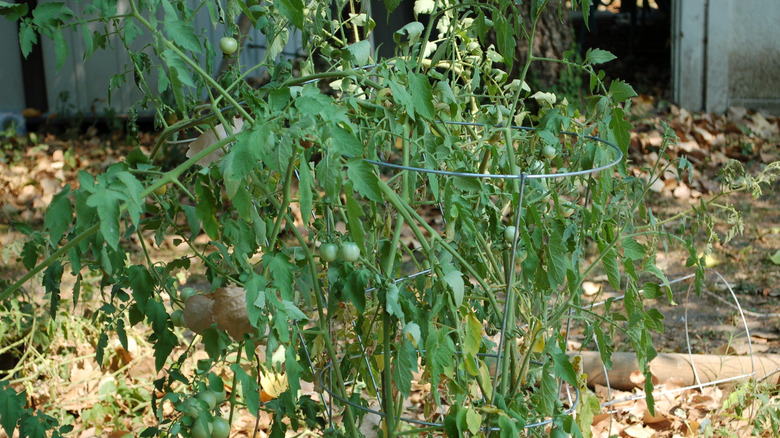
If you have a compact determinate tomato plant that's not a particularly big producer, then you can probably get away with buying cheap wire tomato cages. If you're growing indeterminate varieties and heavy croppers, these just won't suffice, and you may as well save your money, as they will collapse under the weight of a heavily laden tomato plant.
You need something sturdy and long-lasting to support a mature, heavy tomato plant. I use a modified Florida weave for my tomato plants, but I frequently grow large sprawling cultivars, so I use strong jute rope or less flexible garden wire, and I anchor them to a series of sturdy T-posts. For my indoor plants, I use jute rope suspended from the reinforced roof of my greenhouse to trellis them and my cucumbers. The cost for this setup was minimal, even though every few years I have to buy another reel of jute rope. Cattle panels, well anchored and secure, also work well if you have plenty of space. I use cattle panel arches for climbing beans and squash, but they work well for tomato trellising, too.