

In The '80s, This New Kitchen Invention Was All The Rage. Here's What Happened
Before single-serve pods and smart coffee makers took over kitchen counters, there was another appliance that promised to turn ordinary mornings into a café experience: the home espresso machine. While espresso had long been a staple of Italian coffee culture, the idea of making authentic espresso at home was still a novelty for many American households during the late 1970s and 1980s.
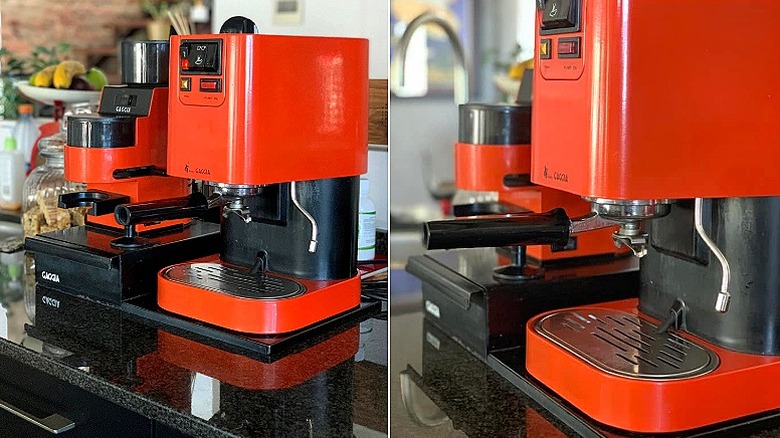
The shift began in 1977, when Italian manufacturer Gaggia introduced the Baby Gaggia, one of the first mass-produced espresso machines designed specifically for home use. The machine helped bring the traditional espresso experience beyond cafés and restaurants, giving home cooks the ability to make espresso, cappuccinos, and other coffeehouse-style drinks in their own kitchens.
Today, collectors seek out vintage models for their mechanical craftsmanship, Italian design, and connection to the rise of home coffee culture. Collectors tend to look for recognizable Italian brands such as Gaggia, especially early home models with original parts, working components, and well-preserved finishes. For collectors, the most desirable vintage Gaggia machines are often the ones that have survived with their original accessories intact.
Depending on the model, color, and condition, these machines can sell from $125 to $300. Condition is especially important because espresso machines contain many mechanical pieces that can wear out over time. A beautiful machine may still require restoration if the internal components are damaged or incomplete.
Why vintage espresso machines are finding a new audience
By the 1980s, at-home espresso machines had become a symbol of sophistication and modern living. As specialty coffee culture started gaining momentum, these machines fit perfectly with the decade's fascination with entertaining, international flavors, and kitchen gadgets that added a little luxury to everyday tasks. For many households, owning an espresso machine was a way to recreate the European café experience without leaving home, and now many recognize these vintage machines as must-have kitchen accessories for coffee lovers.
Early home espresso machines occupy a unique place in kitchen history: They were among the first appliances to bring café rituals into everyday homes. These home models often featured substantial metal construction, mechanical controls, and distinctive retro styling that stands apart from today's sleek, minimalist machines.
In a world where modern coffee machines can brew a cup from a pod, connect to an app, and create customized drinks automatically, we never expected vintage espresso to have such a big comeback. Instead of chasing just convenience, though, today's collectors are drawn to the charm and hands-on experience that made these early machines so notable.