

Skip The Coffee Grounds And Use This Spicy Kitchen Staple To Deter Slugs
We may receive a commission on purchases made from links.
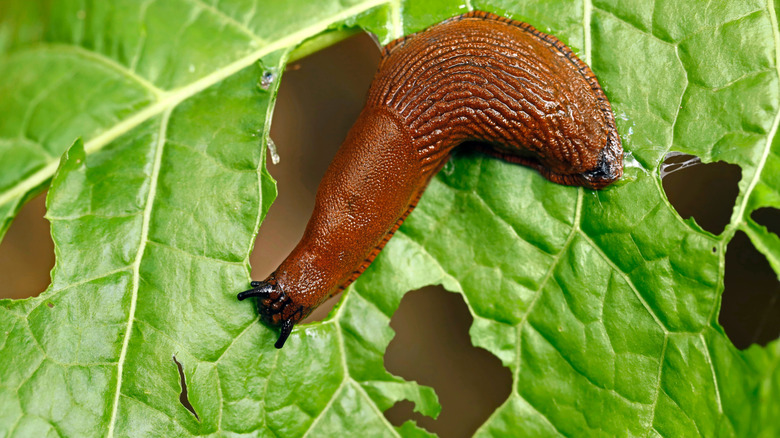
If you've ever battled a slug invasion in your garden, you're probably all too familiar with the feeling of desperation that leads gardeners to try almost anything to get rid of them. If you prefer to say goodbye to slugs with an eco-friendly yard upgrade over a chemical solution, you have more options than you might imagine. In fact, having an arsenal of approaches is often the most successful strategy. After all, you likely won't have all of the ingredients suggested for DIY slug repellents on hand at one time. If, for example, you'd rather put your coffee grounds in your compost pile, you may have some success with cayenne pepper instead.
While formal scientific studies on cayenne pepper's effectiveness as a slug repellent are few and far between, anecdotal evidence suggests this sizzling spice may be a viable option. Informal testing has taken place in backyards around the world, so there are lots of DIY recipes to sift through. Garden YouTuber Lo-fi Gardening tested a cayenne pepper barrier against slugs, finding it more effective than copper tape and coffee grounds, but too expensive to be used on a large scale. TikToker foxynuggets claimed to have deterred slugs from eating their young cabbages and cucumbers for a few weeks with a ring of cayenne pepper and cinnamon. Another TikToker, hacksfordays365, made a spray by simmering fresh garlic, onion, and a teaspoon of cayenne pepper. They claim the spray repels slugs, among other pests.
How to make a cayenne pepper spray to repel slugs
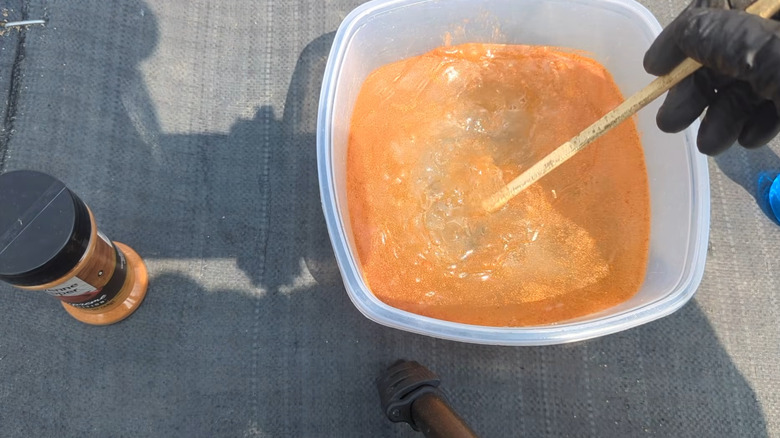
Cayenne peppers, like other plants in the pepper family, contain a compound called capsaicin. It's a tissue irritant that particularly affects the mucous membranes — and if slugs have one thing, it's a lot of mucus. Whether this could be a good solution for your garden is unclear, but given the numerous, though largely unscientific, reports of success among gardeners, it's worth conducting a trial. While you can simply sprinkle powdered cayenne around the base of plants, a liquid spray may be a safer and more practical application method.
To save money on supplies when making a spray-on repellent, consider purchasing the spice in bulk — this five-pound container of Fresh Finest Cayenne Pepper Powder costs about $30. Or, since all hot peppers contain capsaicin, if you have a glut of homegrown peppers, you could even make your own ground pepper powder. You'll also need a Heluva Green Heavy-Duty Plastic Spray Bottle and some liquid dish soap.
Ready to get rid of slugs in the garden with the help of a common kitchen ingredient? To make a mild spray, add 1 to 2 tablespoons of cayenne pepper per 1 gallon of water in a spray bottle. For a stronger concoction, add up to 2 tablespoons of cayenne pepper to 1 quart of water. Whichever way you go, also add a few drops of liquid dish soap to the mix. The dish soap acts as a surfactant, keeping the spray on the plant's leaves. Ideally, set the mixture aside to steep overnight before spraying it on your plants. This may make the liquid stronger and more effective by infusing the water with the active ingredient, capsaicin.
Apply DIY cayenne pepper slug repellent safely and record your results
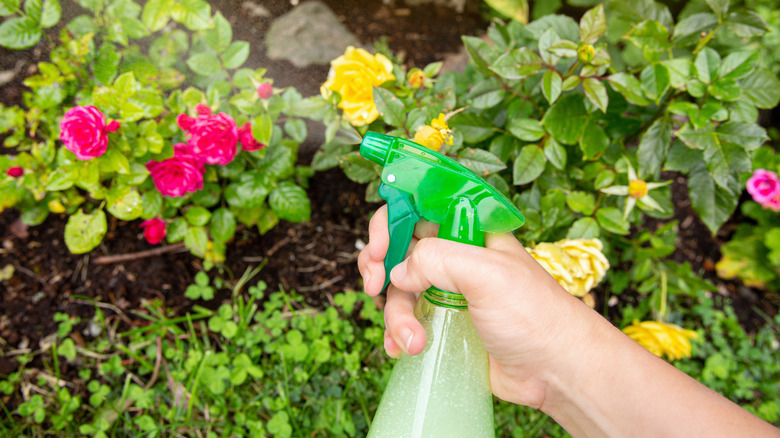
When you're ready to use cayenne pepper to deal with pests in your garden, you need to do so safely. Cayenne pepper is, after all, a powerful irritant. Invest in a pair of goggles, a mask, and some rubber gloves to wear while preparing and applying the spray. Apply the spray directly onto the leaves of the plants that the slugs are munching on. Avoid spraying it on flowers — you don't want to deter or harm pollinators — and keep pets and small children away from the garden. Apply the spray when rain isn't expected, since a rain shower right after application will wash it away. Cool evenings are the best time to apply the spray rather than during the heat of the day, when sunlight magnified through water droplets can cause leaf burn. Reapply your DIY slug repellent every five to seven days to keep the slimy critters at bay.
Since much of the experimentation with this spicy slug repellent has been done by regular ol' gardeners just like you, it's worth recording your results to see if the spray is actually working. You can treat this as a simple experiment or field trial right in your own backyard. Document your recipe, including your cayenne pepper-to-water ratio and dish soap ratio; your application process, including the weather, the time of day, and the frequency; and the results of each application. If you need to make changes, make them one at a time. You could even create a control group by leaving a few plants untreated. In this way, you'll build a record of results that will help you determine what's working and what isn't.