

Popular Flowers That Slugs Won't Touch
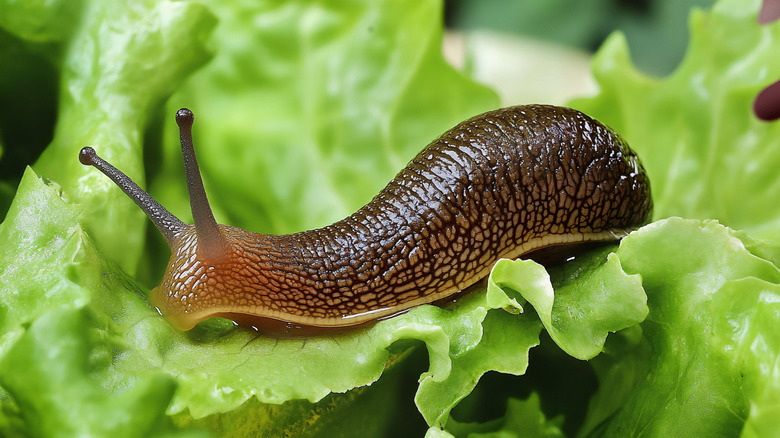
If you've never given all your blood, sweat, and tears into filling your landscape with pretty petals and fluffy foliage, only to discover it's riddled with holes, you can't understand the heartbreak it brings. Although garden slugs are no bigger than ¾ inches long, they're relentless menaces that seem to have an uncanny ability to find exactly the plants you were most excited about. Gardeners have tried nearly everything to get rid of these nightmare pests, short of staying up until odd hours to guard their precious plants. While you can use a common kitchen ingredient to keep slugs away, there's a better way that also adds a vibrant edge to your space: Choosing colorful flowers slugs never want to eat in the first place.
Slugs are voracious omnivores that will eat practically anything that sits close to the ground. They leave a literal silvery mucous trail of destruction behind them. It turns out, though, that slugs do draw a very fine line in the sand about which plants they don't always like to snack on. For example, ones with a strong scent, like catmint (Nepeta), practically announce themselves as icky to eat before a slug gets close enough to try. And plants with leathery foliage, including fuchsia (Fuchsia), often take way more effort to graze through than they're worth.
The good news is that you don't have to skimp on beauty for a slug-free zone. Because the real fix for a slug problem isn't more traps. It's building a garden they never want to cross paths with.
Lavender
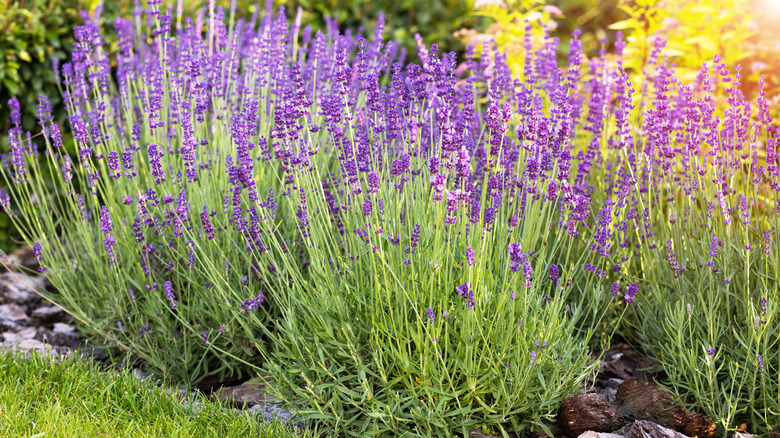
Lavender (Lavandula) can do wonders for your senses and mental state, thanks to its science-backed calming fragrance. We adore its aromatic scent, and so do bees, butterflies, and other pollinators. But that same strong fragrance might be one reason slugs tend to steer clear. Or it could be their stems and leaves that slugs find difficult to navigate through. Whether you plant it along walkways or borders, lavender plants are a beautiful way to add a cottage-y aesthetic, while keeping your space a slug-free zone.
Fuchsias
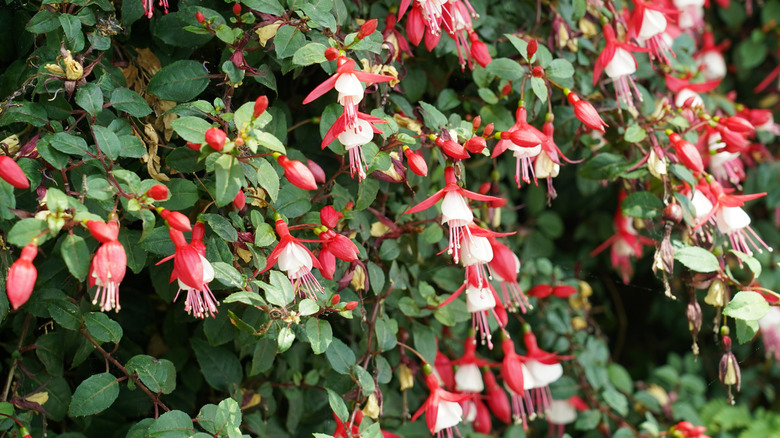
Fuchsias' dangling flowers look like tiny twirling ballerinas that can bring an instant pop to your garden. Although aphids and spider mites might cause a headache, slugs usually avoid these pretty perennials, thanks to their fibrous leaves, which are harder to nibble. Fuchsia plants bring a tropical aesthetic and are hardiest in USDA Zones 5 to 10, making them perfect for a range of climates.
Japanese anemone
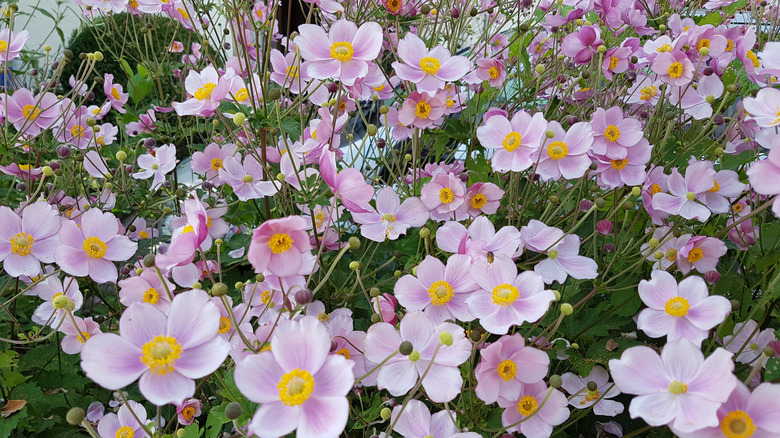
Japanese anemones (Anemone x hybrida) can brighten your garden with their pink, purple, or white blooms. Although you won't be completely rid of pests, their leaves are on the rough side, which won't be a slug's first meal option. These low-maintenance perennials are great for covering empty areas that get plenty of sun most of the day since they grow quite quickly. We have a slew of helpful tips to make sure your Japanese anemones grow strong and do their job by looking pretty and keeping slugs away.
Allium
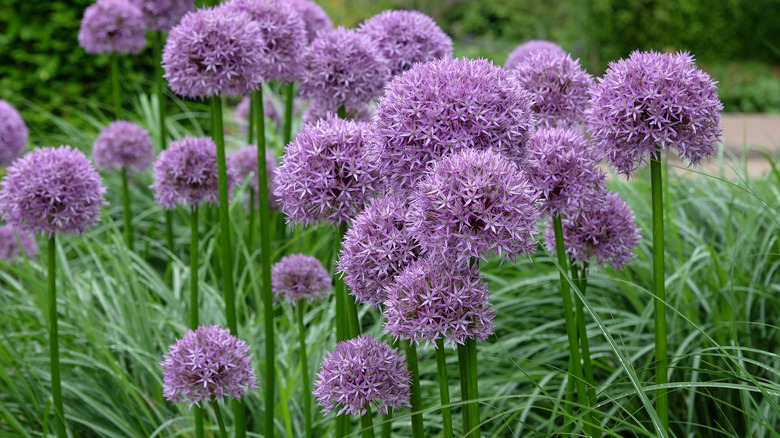
Allium flowers, also called ornamental onions, have a somewhat bitter taste and secrete a chemical toxic to slugs which is why these pests don't bother them. They come in a wide range of colors — pink, yellow, red, and purple — and add pretty globe-shaped blooms to your landscape. Allium plants are low-maintenance perennials that need at least six hours of direct sunlight and are hardiest in Zones 4 to 9.
Poppies

When you're looking for slug-proof plants that make a pop in your garden, poppies (Papaver rhoeas) have you covered. Each tissue-thin bloom often lasts just a day or two, giving you a short but sweet show in shades of red, pink, or purple. Their bristly, textured foliage is what sends slugs looking elsewhere for dinner. Poppies are low-maintenance and thrive in Zones 3 to 10.
False goat's-beard
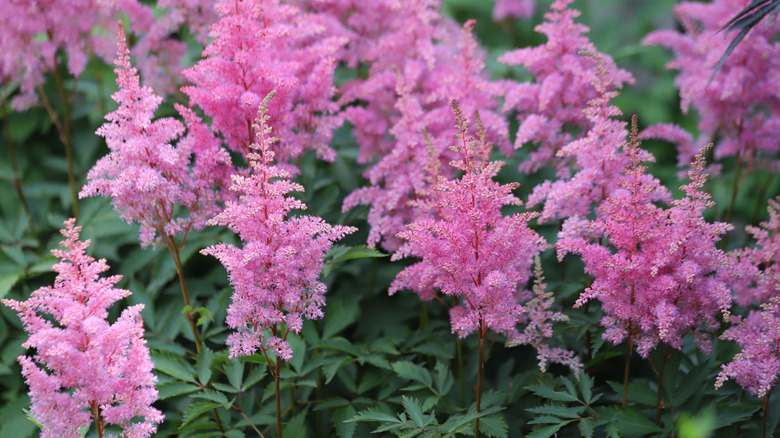
False goat's-beard (Astilbe biternata) has dramatic, feathery, plume-like flowers that turn any space into a whimsical fairy-tale vibe. It thrives in shady corners where most plants struggle in Zones 5 to 8. The perennial's fern-like foliage might deter common pests, including slugs, deer, and rabbits. Plus, it also has tough leaves they don't appreciate. False goat's-beard can grow up to 6 inches tall and can fill in those empty spaces you don't know what to do with.
Foxglove
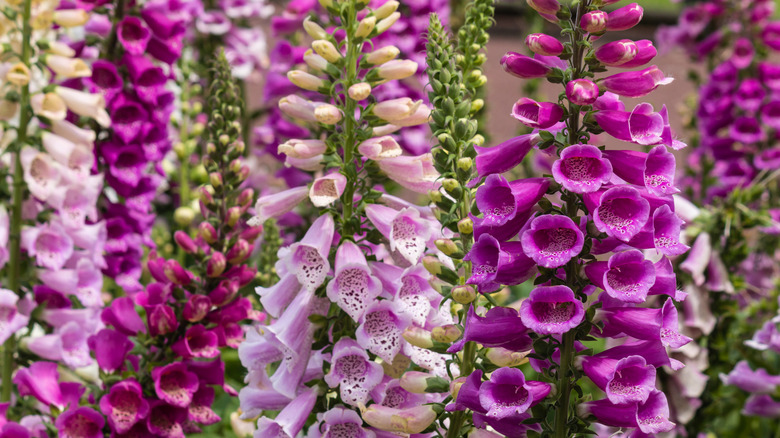
Foxglove (Digitalis purpurea) is anything but subtle. Its towering spikes of bell-shaped blooms can reach up to 5 feet tall or higher, turning on the drama in cottage-style gardens. Just keep in mind every part of this plant is toxic if ingested — a fact that also makes it one of the few flowers slugs and deer won't dare touch. It's hardy in Zones 4 to 9, provided it gets at least six hours of light daily.
Geraniums
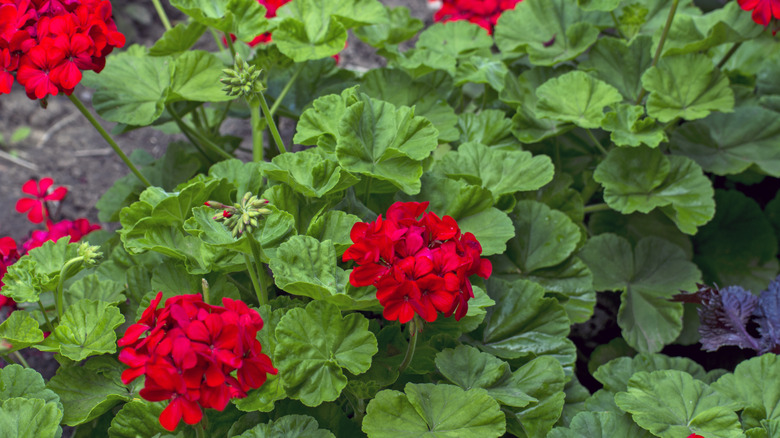
Geraniums (Geranium) are some of the easiest and longest-blooming flowers to grow, with cheery petals that come in pink, white, red, purple, or orange. While you might appreciate their fragrance, slugs prefer to stay away from them. So if your geraniums aren't blooming or have some other issues, it likely wouldn't be because of slugs. Geraniums thrive in Zones 9 to 11 with full sun and well-drained soil. They're super easy-going and drought-tolerant, making them perfect for containers, hanging planters, and garden beds.
Peonies
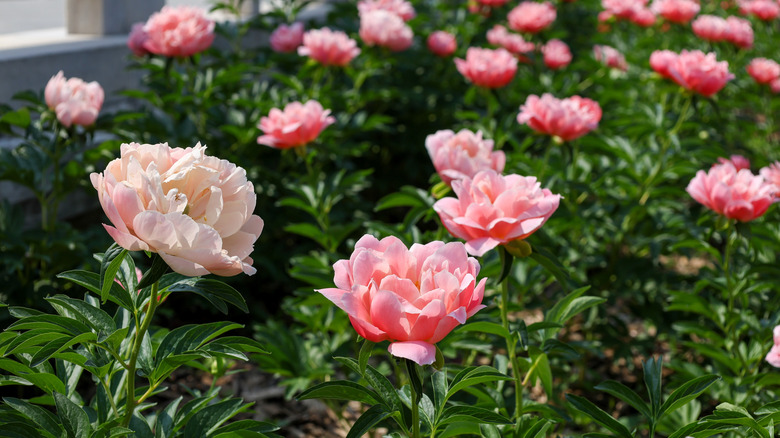
Peonies (Paeonia) are the prettiest overachievers of the garden world. Each bloom unfurls into a showy number of ruffled petals, adding more drama than almost anything else. Thanks to their glossy, leathery foliage, slugs typically ignore them. Though it takes them to really get going, once they do, peonies can thrive in Zones 3 to 8 without too much fuss.
Catmint
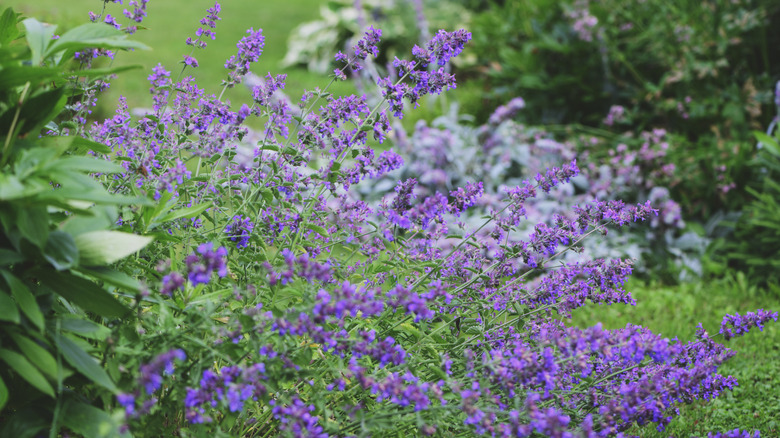
Low-maintenance catmint is a pretty purple perennial that blooms from late spring through summer and thrives in Zones 3 to 8. Its fragrant foliage tends to be off-putting to slugs, but butterflies can't resist it. Catmint is drought-tolerant and isn't too fussy about soil, but prefers at least six hours of sunlight every day. It's also one of the beautiful purple deer-resistant flowers you won't regret adding to your garden.