

Are Slugs Poisonous? (It's Not Why They're A Hazard)
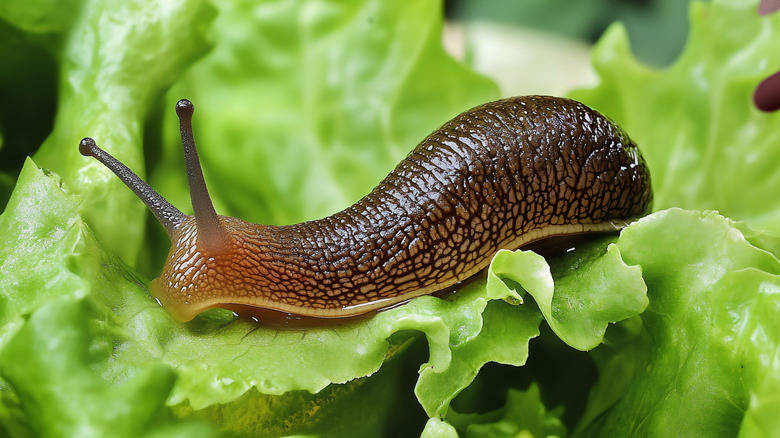
You might think a creature with no arms, legs, or hard edges wouldn't cause too much trouble, but slugs are one of the worst garden pests and should be banished from your yard immediately. There are many different varieties of slug, and while some are harmless, others will absolutely devour the growing plants in your garden. Not to mention, the slugs can be extremely hazardous to the members of your household. Slugs don't bite or sting like other pests, but they are coated in slime that can be toxic. It's easy enough for humans to avoid the consequences of interacting with slug slime since it isn't dangerous unless digested, but this situation is more likely when it comes to pets or especially curious children. Slug slime causes harm to the digestive system, resulting in vomiting and drooling. As bad as that sounds, there are even more serious reasons to prevent slugs from sliding around your property.
Along with being slightly toxic themselves, slugs may also be a carrier for a very disruptive parasite called Angiostrongylus cantonensis, also known as rat lungworm. This parasite can cause meningitis, or an infection in one's brain. According to the Cleveland Clinic, this can lead to symptoms like headaches, nausea, confusion, and vision problems. Angiostrongylus is transmitted via larvae in rat droppings, which may be ingested by slugs, infecting them. Even if you're not concerned about a pet or family member ingesting an infected slug, the mollusk can still cause issues by leaving traces of the parasite on anything it touches, including any homegrown produce you may have been planning to eat.
Slugs carry a very dangerous parasite
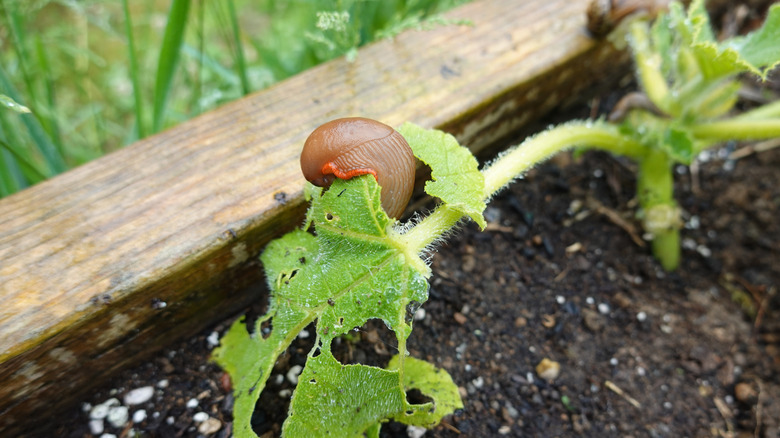
Fortunately, rat lungworm can be treated, and does not leave any long term effects (in most cases). Still, given the potential severity of meningitis, you should contact your medical provider if you suspect you've contracted the parasite. The best way to avoid this disease is to avoid eating anything you think a slug may have come into contact with: Indicators of this include bite marks with shredded edges, holes in produce, and slime trails. Part of what makes slugs so difficult to deal with is the fact that they're nocturnal. Damage found on plants in the morning that wasn't there the night before is a good sign that slugs are running amuck in your garden — but if you want to be sure, try investing in a green flashlight to catch the nocturnal pests red-handed.
Once you're confident the slugs have been removed, make a note of what areas of the garden they were affecting, and be sure not to eat any produce from the plot without washing and cooking it first. If you found the slugs inside your home, scrub down any surfaces they may have been climbing on to ensure they didn't leave any trace of the parasite behind. There are dozens of ways to say goodbye to slugs in your yard without using chemicals, so try some preventative measures like planting companion plants, using less mulch, and changing your watering schedule. Otherwise, the grossness of the slug slime may be the least of your worries.