

Low-VOC Vs No-VOC Paint: What's The Difference?

Volatile organic compounds (VOCs) have long been added to paint to help it flow more smoothly, dry more quickly, and produce a finish that's more hard-wearing. Unfortunately, as they evaporate, VOCs give off unpleasant fumes that can give you a headache, make you feel sick, or affect your breathing. It's even possible that they could combine with other chemicals in the air and become toxic. It's easy to see why some people say you should avoid buying paint with this ingredient. In fact, since the Clean Air Act of 1970, VOC content has slowly been reduced, and today we have both low-VOC and no-VOC paints. The difference seems obvious: The latter doesn't have any VOCs at all, so it must be safer. Well, actually, that may not be entirely accurate. Also, VOCs aren't the only thing in paint you need to be wary of.
Most solvent-based paints still contain traditionally high levels of VOCs. Lower VOC versions can be found, but these might still contain around 300 grams per liter. By contrast, low-VOC paint is typically water-based, and only contains 50 grams per liter or less, and no-VOC paints only have a maximum of 5 grams per liter. Bear in mind, though, that colored tints might have higher VOCs. So adding them to white paint, for example, could push the numbers up again. It shouldn't make a massive difference, but it's something worth checking.
Low- and No-VOC paint might still contain harmful chemicals
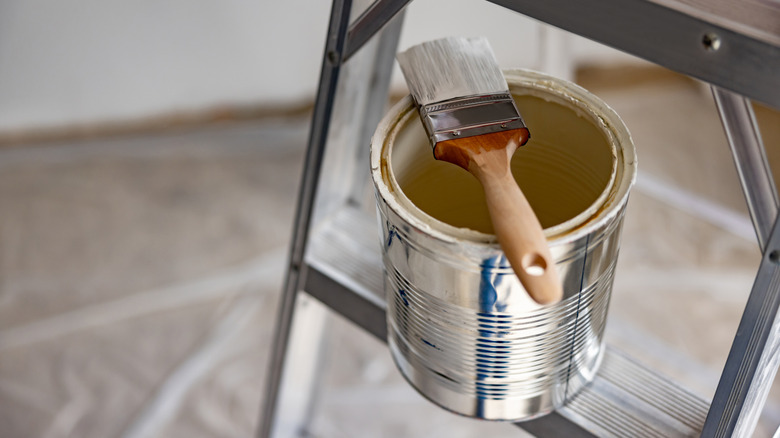
To answer the original question more fully, no-VOC paint should be a healthier option than low-VOC. You would choose no-VOC paint for a nursery, for example, or if someone in the household suffers from asthma. Low-VOC paint is still way better than traditional alternatives, and often more affordable than the no-VOC stuff. It is an option for those who don't have health issues, and exterior versions can be great for painting the outside of your home like a pro.
Sadly, some low- and no-VOC paints may contain other problem substances. There could be so-called "forever chemicals" (Polyfluorinated Substances or PFAS) that have been linked to a host of health problems. Phthalates and Alkylphenol ethoxylates may also be present, and both can be hazardous.
Paint can labels don't necessarily give full information. Certification from independent testers like GreenGuard or GreenSeal gives VOC ratings, but doesn't necessarily cover other chemicals. Every manufacturer must produce Safety Data Sheets (SDS) for their paint products, but they don't legally have to supply them when that product is purchased. That said, a number of companies do make them available on their websites. It's worth checking, and if you can't find them, you might consider choosing a different brand of paint.
VOCs can also be present in wood finishes (and consequently in furniture), aerosols, pesticides, and even some cleaning essentials you might want to ditch. Living VOC-free isn't easy, but reading labels carefully and not buying products that don't provide full information will certainly help.