

Why Do Gardenia Leaves Turn Yellow?
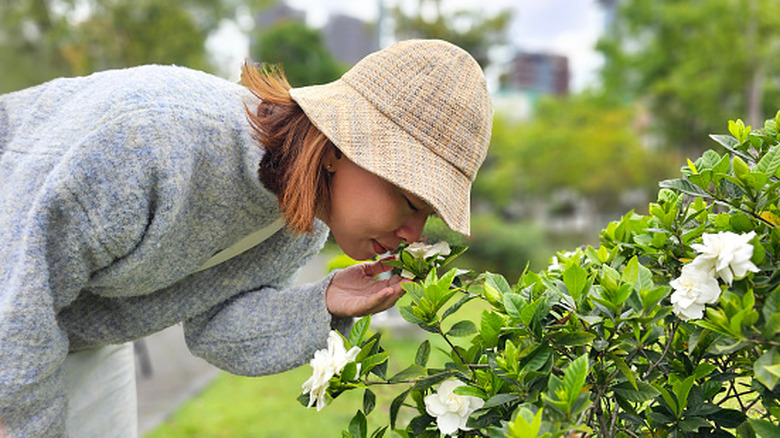
Because one of the most stunning assets of gardenia is its deep emerald, glossy leaves, it's a rude shock when that beautiful foliage starts to turn yellow. It's also frustrating because myriad causes are possible for the yellowed-leaf condition, so you need to do some sleuthing to identify what's causing the problem and solve it. Tracking down the cause is worth it for to maintain the health of this fragrant, woody perennial, which is cold-hardy in USDA Zones 7 to 11. Most causes for yellow gardenia leaves can be traced to mistakes to avoid if you want healthy gardenias or sudden changes in growing conditions that cause the plant stress.
It's also worth noting that some yellowing is normal for gardenia leaves, especially in the early spring. Older foliage is signaling that it's stepping aside to make way for new leaves. These leaves will drop off on their own, so you have no need to remove them unless you want to. It's when you notice yellowing leaves at times of the year other than early spring that you need to start investigating the cause.
Yellow leaves on gardenias have many causes; track down the truth
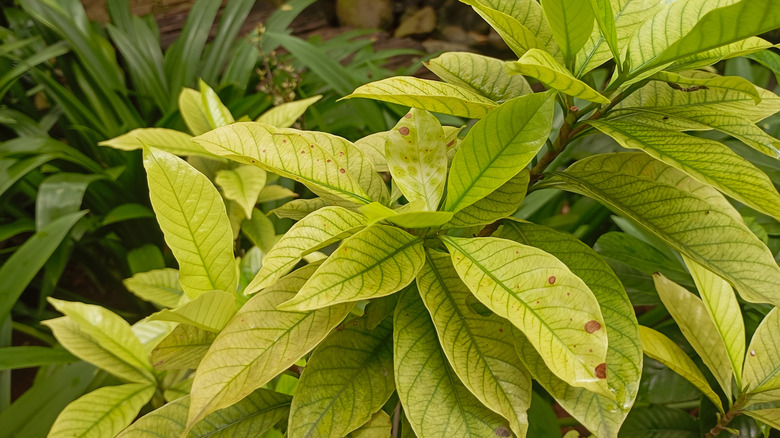
Among the causes of yellow gardenia leaves that could be tied to human error are overwatering or underwatering. Gardenia should get about an inch of water weekly. Like most plants, gardenia needs good drainage and is subject to root rot if roots get soggy; yellow leaves can be a symptom of root rot, as well.
Deficiencies in soil can also cause yellow leaves, so it's a good idea to get your soil tested if you're seeing yellow foliage. One deficiency specific to gardenias is tied to soil pH. Gardenias prefer acidic soil at a pH level of 5.0 to 6.0, and a level of 7.0 or higher can prevent the plant from getting the iron it needs, causing leaves to yellow. Your soil test will tell you its pH level, or you can deploy the gardening DIY you need to test your soil's pH levels — a standalone pH test — and then learn how to fix soil acidity imbalances. The soil test should also uncover any other nutrient deficiencies, and you can identify fertilizer to address the gaps.
In the category of yellow leaves caused by sudden changes, we have temperature shifts, insect infestations, and disease. If you've ruled out changes in temperature, consider taking a gardenia sample to your local university extension office to ask what disease or pest might be causing the leaves to yellow and learn how to treat the plant.