

For Fewer Mice In The House, Reach For This Copper Product
We may receive a commission on purchases made from links.
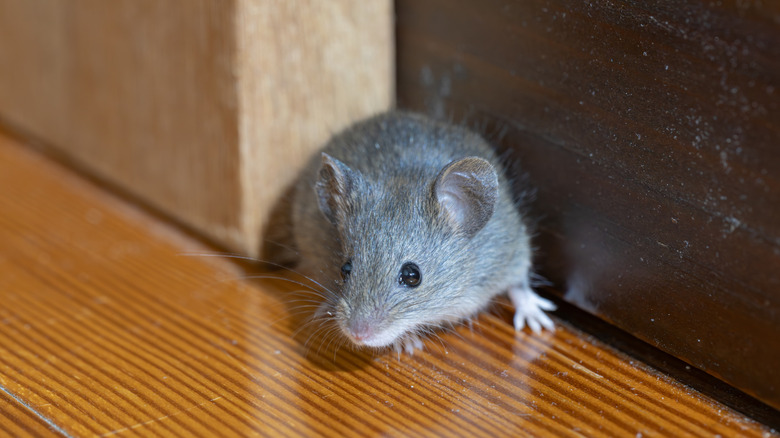
Animals that evolved alongside humans are called commensal, a word that comes from the Latin "com mensa," which literally means "with table." While that may be welcome with animals like dogs and cats, sharing our homes and tables with the common house mouse is far less appealing. That's why homeowners are always on the lookout for products that help keep mice out of our homes. When it comes to gaps and holes in your walls, you've probably heard about remedies like steel wool pieces or aluminum foil to keep mice out. But experts point to a sturdier fix, naming copper mesh as the product to turn to for sealing entry points and keeping out these unwelcome house guests.
Non-toxic and safe around pets, copper mesh for rodent control is a good solution when you're trying to stop the mouse traffic in your home. For a quick fix, you just stuff copper mesh into holes. For a more permanent solution, you can use copper mesh finished with caulk so mice won't be able to chew through again. Since mice can slip through a hole about a quarter inch, roughly the size of a pencil, you might find yourself stuffing copper mesh into holes using multiple approaches. Luckily, this is an affordable method, as you can purchase a 3rd Gen Copper Mesh Rodent Control Kit from Amazon for only $9.99 at the time of writing. It comes with scissors and includes 2 rolls of 4-inch mesh, each 16-feet long.
How to use copper mesh for rodent control
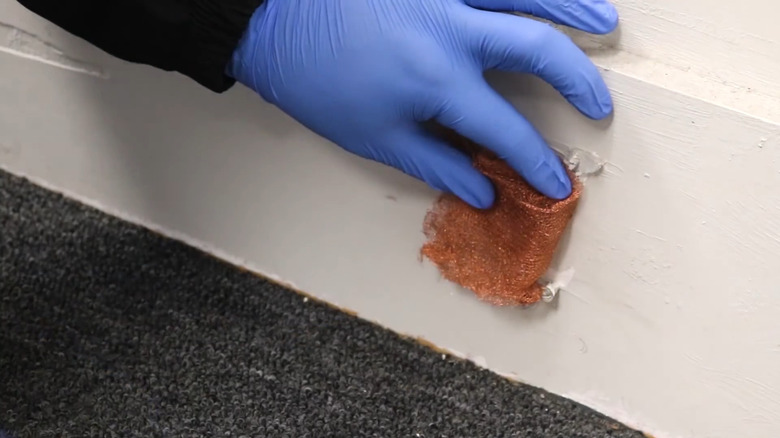
Once you understand how copper mesh works, it's easier to decide which installation methods will work for you. You may have heard that copper mesh gives rodents an electric shock when they chew through it. That's a myth, because bare copper doesn't carry a charge that can zap a mouse. Others say copper is too hard on their teeth, but rodent teeth actually rate higher than copper on the Mohs hardness scale. What actually stops mice is the mesh's physical structure. It's woven from thin, flexible strands that shift as rodents bite, making it difficult for them to get a solid grip. Not only is it difficult to chew, but the sharp wire ends can also discourage rodents from pushing through. (That's also why you want to wear gloves when you're applying it.)
Although mice can't chew through copper mesh, they may push it aside if it isn't secured properly. Some caulk will keep it in place and you can plaster and paint right over the hole for a finished look. For large gaps, use backer rod or another alternative before filling with copper mesh and caulk. Expanding foam is another solution that can pair with copper mesh. For extra large holes, consider using ¼-inch hardware cloth, which you can also plaster over. Rodents need an exposed edge to start chewing, so if you're able to finish the wall to a smooth surface, you offer greater protection against future intrusions.
Why keeping rodents out takes ongoing effort
As commensal animals, mice will continue trying to enter homes, so exclusion is an ongoing process rather than a one-time fix. That's why vigilance is the real answer to mouse exclusion from your home, and copper mesh is just one of the tools to use. When you're choosing products, keep in mind that rodent teeth are even harder than iron and they have jaws built for chewing. Because their teeth grow continuously, rodents must constantly gnaw to keep them worn down. The incisors are curved so they self-sharpen, making them razor sharp all the time, so they can chew through many things as long as they can sink their teeth in.
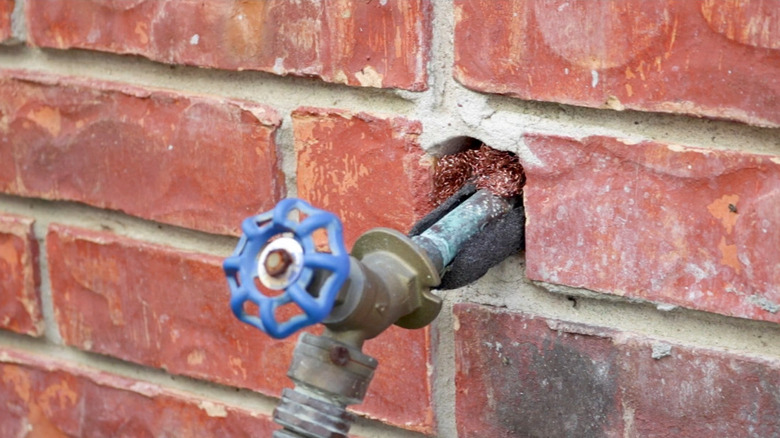
Speaking of cold, keep mice out before winter sets in by sealing holes after utility work. Mice want to head indoors when weather turns cold, so fall is a good time to inspect your home and address any intrusion areas. Check the seals on your doors, since mice only need ¼-inch to slip in.
And before you fill any gaps with copper mesh, start by cleaning the area to get rid of fecal droppings, and use bleach to disinfect and remove odors. If you find an entry point and seal it, set a trap there to catch any mice looking for the hole. As a bonus, if you have leftover copper mesh, you can use it to keep slugs at bay or block rodent holes in the garden.