

Why There's Simply No Need For Store-Bought Soil Boosters
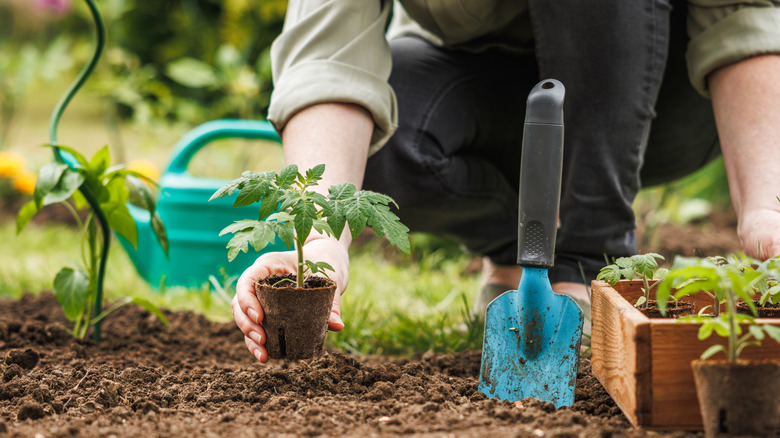
If you believed everything your local garden centers wanted you to, you'd think that every section of tired-looking soil is just a purchase away from becoming a thriving vegetable haven. Those packaged soil boosters are full of promises — from helping plants grow stronger roots to bigger yields. But truthfully, many garden experts think differently. The consensus is that most home gardeners don't need soil boosters because healthy soil actually isn't something you add from a packet; it's something you build over time. A single teaspoon of healthy soil will already contain billions of bacteria, fungi, and other microorganisms that work together to recycle nutrients and support plant growth. So if that living ecosystem is already there, pouring in a "booster" won't do much at all.
The recommendation, instead, is to prep your soil for successful planting by feeding the life that's already inside of it with compost. Compost improves soil structure, increases water retention in sandy soils, and improves drainage in clay soils, while providing a slow, steady source of organic matter that soil organisms feed on. Unlike the commercially sold soil boosters, the benefits are consistently backed by decades of research.
The best soil improvements haven't changed for generations
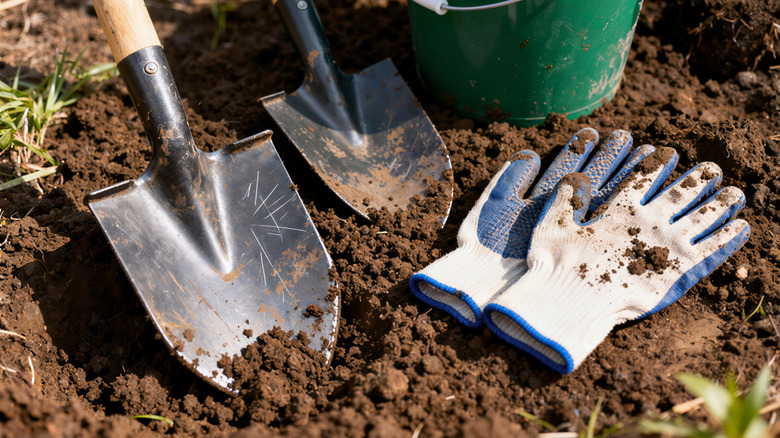
So instead of reaching for a pack of soil booster, look to old-fashioned ways to revive garden soil that have stood the test of time for a reason. In addition to adding compost, experts recommend incorporating well-rotted manure where appropriate, using leaf mould, growing cover crops to suppress weeds, and disturbing the soil as little as possible. What all of these practices do is increase the organic matter in the soil, which feeds the underground ecosystem that naturally does everything that the soil boosters promise.
Now, this is not to say that every packaged product is completely ineffective — some fertilizers and soil amendments have an important role when a genuine nutrient deficiency is discovered through soil testing. But there is a difference between addressing a specific deficiency and buying a generic "one size fits all" soil booster hoping it will improve everything all at once. So before you splash out on anything at the store, consider that building healthy soil is mostly just about creating the right conditions year after year. And yes, that is slower and requires more patience than just pouring something out of a bottle, but it's the approach that will consistently give you healthier soil and healthier plants, in the long term.