

These 2 Frying Pan Materials Are Safe For The Dishwasher (But 3 Need Hand-Washing)

For many people, the most disappointing part of a meal is when it comes to an end. Cooking offers entertainment and challenge; supper itself is the reward of your labor. Cleaning up after, however? That's the part many people wish they could skip. Fortunately, dishwashers make the dreaded task of handling the dishes far easier, saving you from hours spent up to your elbows in suds and bubbles trying to clean your frying pans. While there are several types of materials that can handle a cycle in the dishwasher, however, there are common kitchen items that aren't dishwasher safe, including at least three frying pan materials.
As helpful as they are, dishwashers aren't safe for all items. The heat and water pressure could damage some materials, leading to shorter lifespans for your favorite frying pans, especially if they're made of materials like cast iron or copper. Familiarizing yourself with what frying pan materials are dishwasher safe, such as ceramic and stainless steel, can be a key part of making the most of your cookware. Of course, you don't have to rely on knowing every single material alone. Many common kitchen items, be it a frying pan or a serving platter, are typically marked for whether they're dishwasher safe or not. Because it can be tricky to tell some materials apart, looking for the dishwasher-safe symbol is often the best way to decide if a frying pan is safe for the dishwasher or requires handwashing.
Ceramic
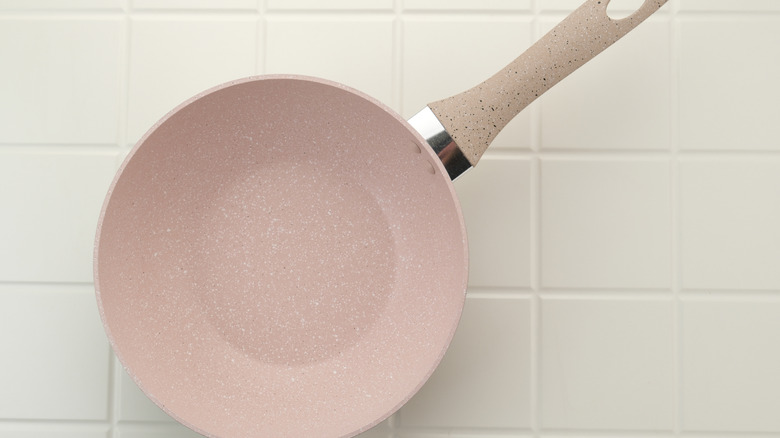
Ceramic has become a popular choice in the kitchen due to its more-natural non-stick surface and ease of cleaning. They're also typically considered safe for use in the dishwasher, an advantage that ceramic frying pans hold over many other traditional non-stick pans that are unable to hold up to the conditions of the dishwasher. This makes them a great alternative to other nonstick pans, especially if you're looking for a pan that can handle the heat of the kitchen while still providing an even, easy cooking process.
One thing to keep in mind with ceramic frying pans is that, while they are often described as safe for the dishwasher, hand-washing can be gentler on your favorite pan. As a result, you can typically utilize your dishwasher for cooked-on stains and grime, but opting for hand-washing when possible can help preserve your pan's lifespan. This goes for other dishwasher safe frying pan materials as well, such as stainless steel. If you do opt for the dishwasher for your ceramic pans, choosing a gentler cycle can help you reap the benefits of this material's dishwasher-safe status while helping it to last longer in your kitchen. When it comes to hand-crafted or other delicate ceramic pans, you may also wish to add them to lists of pans that should always be hand-washed to help preserve their appearances.
Stainless steel
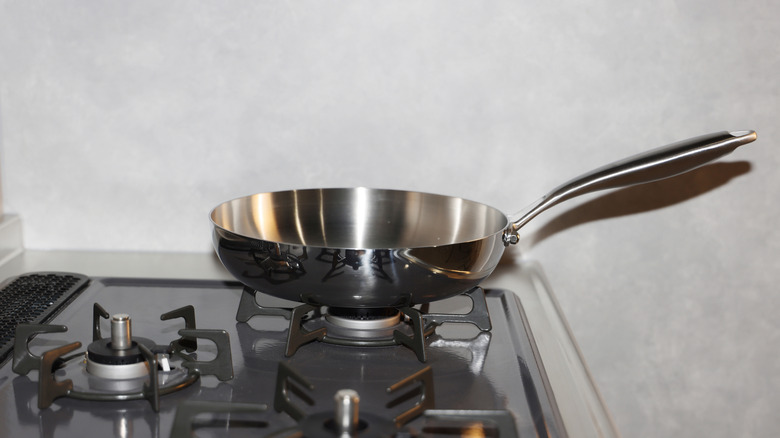
Just like with ceramic frying pans, stainless steel options are also safe to go in the dishwasher — so long as the manufacturer's instructions for your specific frying pan don't say otherwise, of course. Stainless steel cookware is often chosen specifically because of how well it can hold up in the kitchen, which is why many commercial kitchens rely on stainless steel pots and pans. Part of this durability comes with the fact that it can also tolerate dishwasher cycles. Stainless steel frying pans don't struggle under high heat, and they're durable enough that scratching typically isn't a problem, something that even other dishwasher-safe choices, like ceramic, may still have issues with.
With that being said, just like with ceramic frying pans, there are a few caveats to keep in mind. First, like with all pans, double-check that your specific frying pan is dishwasher safe by checking the owner's manual or looking for the right symbol on the bottom of your pan. There are also times that you may wish to hand-wash your stainless steel frying pan instead. For example, if you're regularly cooking with tomatoes, lemon juice, or other acidic foods, then you may wish to opt for hand-washing instead. This is because acids can take a toll on your stainless steel frying pan already, and choosing a more gentle option can help lessen the toll on your cookware. It's also helpful to confirm that your stainless steel pan is entirely stainless steel; those with a non-stick coating may need to be handled differently.
Cast iron
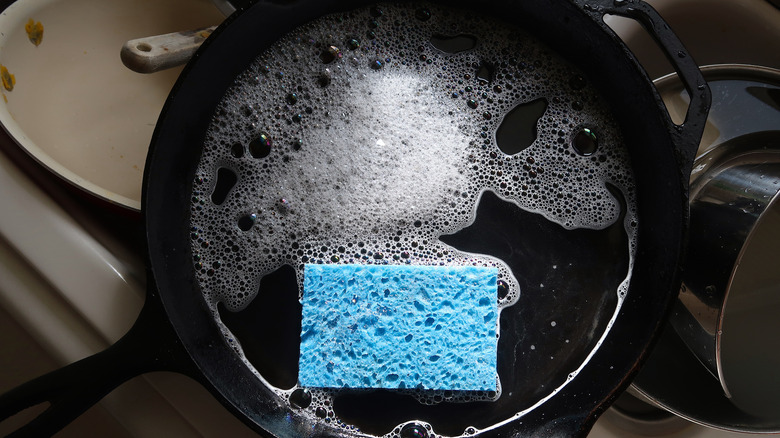
Not all metal is dishwasher safe. When it comes down to many of the frying pan materials that need hand-washing over a trip through the dishwasher, you'll find several metal entries, including cast iron. Cast iron frying pans come with a variety of benefits, which makes them incredibly popular despite their various maintenance requirements. They're durable enough to survive through generations of usage, and they're perfect for maintaining temperature whether during the cooking process itself or maintaining warmth after the fact.
However, as durable as they are, you should never wash your cast iron frying pan in the dishwasher. Your dishwasher can remove the seasoned surface that protects your cast iron pan from rust, makes it non-stick, and gives it that well-loved appearance that makes it as visually appealing in the kitchen as it is functional. Instead of turning to the dishwasher, the best way to wash your cast iron frying pan is to hand-wash it with a gentle detergent and a non-abrasive sponge, dry it thoroughly, and then re-season it. For tougher grime, there are brushes designed specifically for scrubbing cast iron while reducing the likelihood of damage. While this can be a bit more time consuming or tedious than simply opting for a quick cycle on the dishwasher, it helps preserve the longevity of your cast iron while also ensuring that its iconic shining surface is ready for the next time you need to cook.
Copper
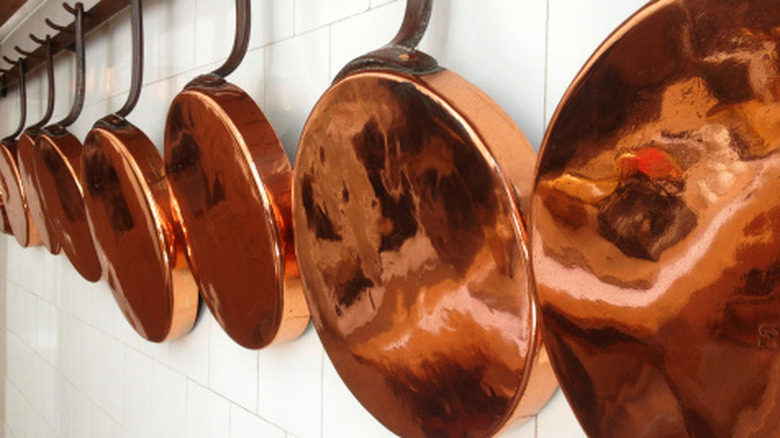
Copper frying pans produce a quick, even heat while looking gorgeous in your kitchen, with a bright, eye-catching appearance that makes them fun to display as they are to cook with. However, if you want to maintain that effortless visual appeal, then you'll likely want to skip out on using the dishwasher for these frying pans.
Before diving into the cons of washing your copper cookware in the dishwasher, you may be happy to learn that a single cycle likely won't be enough to damage the overall functionality of your pan. However, with that being said, a single cycle can pose large risks for its appearance. The detergents, heat, and other elements that give a dishwasher is easy deep cleaning abilities can be too harsh on your cooper pans. The result? A once brilliantly gleaming frying pan returning at the end of the wash cycle either discolored or dulled.
If that sounds like a fate you'd rather avoid, then it's best to hand-wash your copper frying pan instead. Fortunately, washing a copper pan by hand doesn't have to be a hassle. A mild dish soap and a non-abrasive sponge often does the trick, and you can use something as simple as ketchup for polishing and restoring that tell-tale copper glow. There are also store-bought products you can reach for that are designed specifically with copper pans in mind, helping remove stubborn grime and tarnish while keeping your favorite frying pan in tip-top shape.
Aluminum
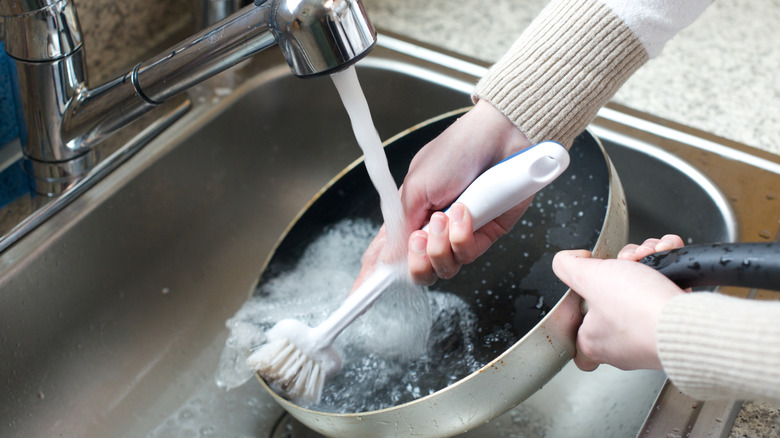
Dealing with aluminum frying pans can be tricky. Some types of aluminum cookware are completely safe to be used in the dishwasher. Others require a thorough hand-washing to get them ready for use once more. Because the answer can vary based on your specific aluminum frying pan, you may find it best to always opt for hand-washing unless you know for certain that your specific pan can be used in the dishwasher. After all, the last thing you want is to assume that your frying pan is dishwasher safe just to find out after the fact that even a single cycle is detrimental for these materials. On the bright side, if you've accidentally made this mistake, your frying pan is usually still safe to use, so long as there's no damage aside from some minor discoloration.
Before deciding the best way to wash your aluminum frying pan, always consult the included manual beforehand. This is a good practice for all types off frying pan materials to determine the best care and washing habits.