

Where Do Slugs Come From? Why They Suddenly Appear In Your Garden
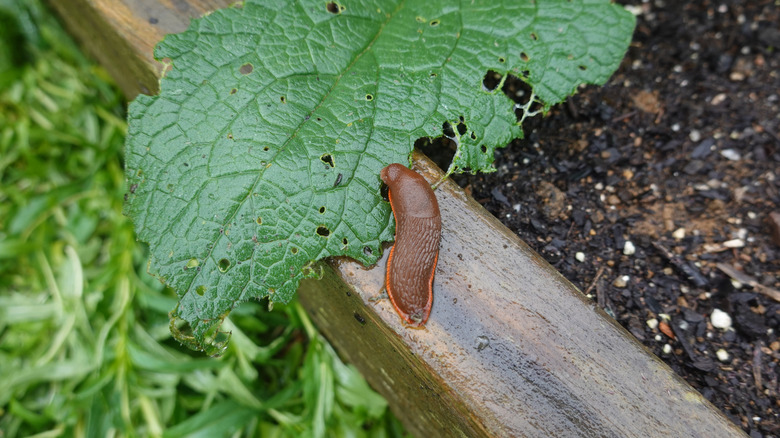
Anyone who has ever stepped out into their garden after rain and seen it's been overrun by slugs that weren't there before has probably wondered: where did they come from? It can seem as though they appear overnight, pack their little bags and head to your garden as the hot new vacation spot. But the truth is a little less mysterious — they were probably already in your garden, hiding. Slugs spend most of their days hiding away in cool, damp spots so they don't dry out, so by day they're typically under rocks, logs, and flowerpots or even in cracks in the soil, often only emerging when it's cooler and more humid outside.
Humidity plays a very big role for slugs. Slugs lose moisture easily, so they're much more likely to be active after rain or on mild, damp evenings than they are during hot and sunny, drier weather. That is why your garden can seem perfectly slug-free one day and overrun the next. So before you start buying chemical-laden slug killers or wasting your time listening to unreliable garden myths about deterring slugs, remember that this may not be an infestation — they may have been there all along.
But slug can also move in from elsewhere
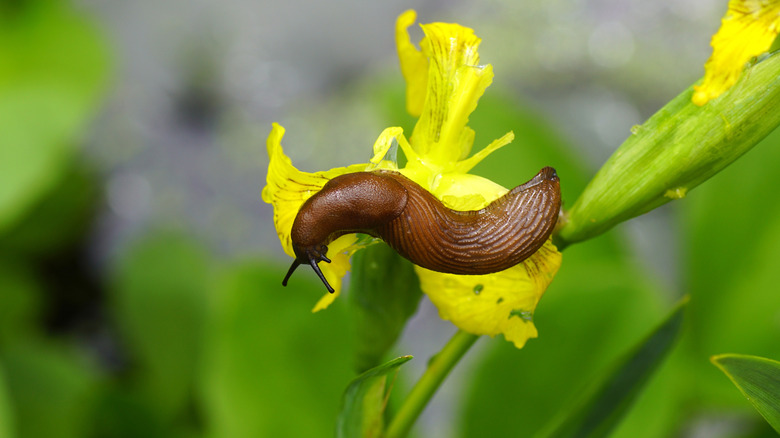
While it's most likely that newly visible slugs were already living in your garden, it is possible that some have traveled from afar. Slugs are actually very capable travelers and can live anywhere with food and moisture, so they'll happily crawl into other gardens in search of better conditions. Many of the more common species can only move a few feet at night, but some researchers have found that some slugs can travel up to 40 feet if the conditions are right. Or they can arrive on other forms of transportation. Both slugs and their eggs have been known to hide in compost and potting soil – with the eggs often mistaken for innocent fertilizer balls. They can also hide on nursery pots of newly purchased plants, which is why experts recommend checking plants before bringing them home, a good tip for any successful garden center visit.
It's unlikely you can stop every slug from entering your garden, but once you understand where they come from, they can be easier to manage. If you're looking to reduce an out-of-control population, there are more humane and organic ways to repel slugs than going straight for pellets. Instead, you can make your garden a bit less inviting, tackle the conditions that attract them in the first place, and accept the fact that some are going to appear after the rain because that's just what slugs do.