

Do Full Sun Plants Need Shade During Extreme Heat?
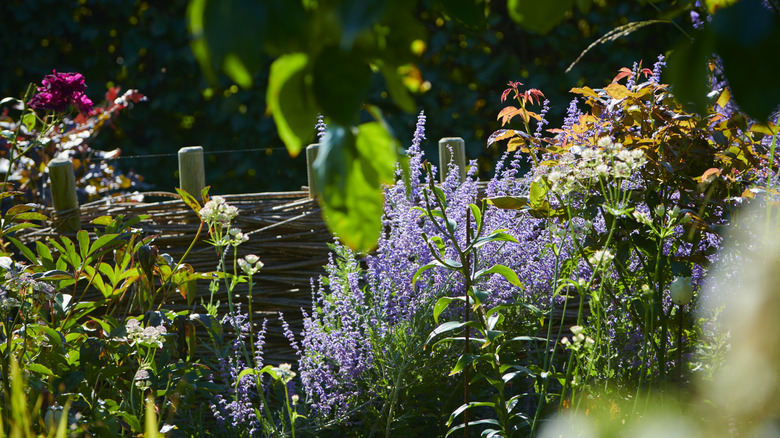
The plants you got at the garden center were labeled "full sun," so why are they struggling with the hot summer temperatures? The truth is, even sun-loving plants need a shade break during extreme heat conditions to prevent water loss and temperature-related leaf, flower, or root damage. Despite these plants needing 6 to 8 hours of sunlight during the day, the intensity of the rays and the soaring outdoor temperatures can still have a negative impact on their growth. But how do you know when it's time to shade full-sun varieties? A good rule of thumb is to protect all plants from the brutal heat when temperatures exceed 90 degrees Fahrenheit.
It's also important to look at the UV index for your area. Just like humans need sun protection when the UV index is high, plants can also benefit from some shelter. Pay attention to when the rating reaches 6 or higher using your phone's weather app. Cover plants between mid-morning and around 3:00 p.m. since this time frame is typically when the sun's rays are the most intense. Using shade methods in combination with proper watering and mulching techniques can ultimately prevent premature flowering, limit leaf damage by ensuring plants can still photosynthesize properly, and keep full-sun plants from becoming stunted or dying from heat-related stress.
How to cover full-sun plants when it gets above 90 degrees Fahrenheit
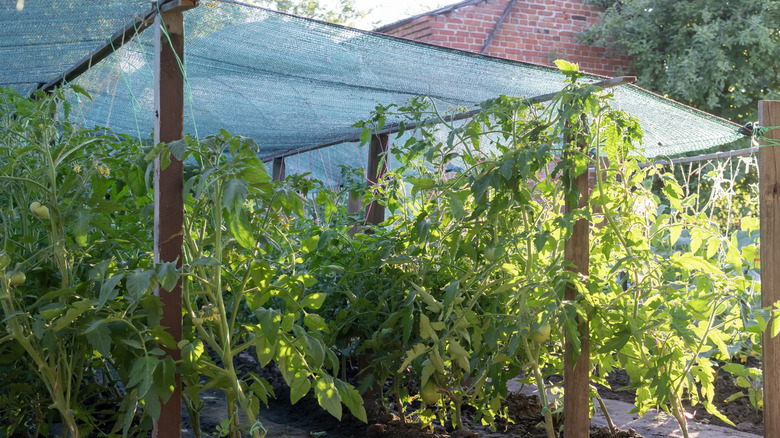
Build shade on a budget by repurposing umbrellas or bed sheets in the garden. You can also use specialty shade cloths that offer 30 to 40% protection. This amount of coverage ensures full-sun plants still receive some light, but not enough to cause damage like if they were completely unprotected. Opt for light-colored shades to reflect sunlight instead of absorbing it, thereby reducing temperatures by 10 to 15 degrees.
Regardless of the solution you choose, make sure it's suspended over your plants and not resting on top of them. This will protect delicate stems and foliage while promoting airflow. If you notice crisped or burned foliage, also known as sunscald, you may need to rethink your shade methods or use a cloth with a higher protection percentageespecially if you live in southern climates where the sun is more intense.
However, just shading full-sun plants isn't the only protective measure you'll need to get them through a heat wave. Mulch the ground and consider in-ground reservoirs or drip irrigation systems to water plants deeply and limit evaporation. These hands-off watering methods will keep you out of the heat — a win-win. You can also water plants in the early morning so they have time to absorb moisture before the sun gets too intense. Pause pruning, fertilizing, and pesticide regiments during heatwaves to prevent stress and burns to plant leaves and roots — yes, even if they're covered with shade cloths.