

Will Property Taxes Go Up If You Add Outdoor Storage To Your Yard?
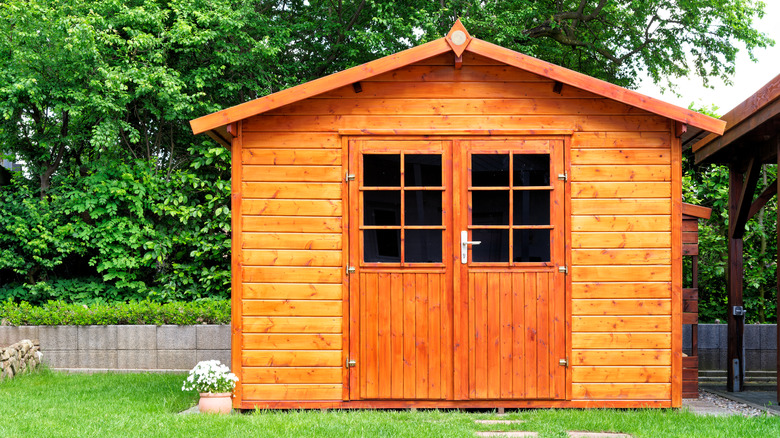
Are you struggling to keep all the clutter inside your home or looking for a convenient spot to house all your gardening and woodworking tools? Then, there are good odds that you've considered installing an outdoor storage unit in your backyard. But while you're making decisions about sizing, materials, and insulation, you may also want to factor in property taxes. That's because, in most cases, property taxes can go up when you add outdoor storage, since it's deemed a structural change, though there may be exceptions.
Essentially, if the outdoor storage meets the law's definition of a "real property," the local assessor will approximate its market value and levy taxes according to the local mill rate. But factors like the structure's permanence, utility hookups, size, intended use, and whether its construction requires permits will all play a role. Some jurisdictions may make exceptions for certain plastic storage units or those considered "indoor" — for instance, when a storage unit is located inside a garage rather than in the yard. Others may also allow for agricultural, homestead, or personal use exemptions.
Generally, property taxes are levied at the local level, such as counties, towns, cities, or school districts, albeit under the broad umbrella of a state tax code. For this reason, what you experience in one zip code may vastly differ from another. This makes contacting your local property tax assessor's office or building department a good idea so you understand any potential tax implications and avoid surprises.
Is your outdoor storage permanent?
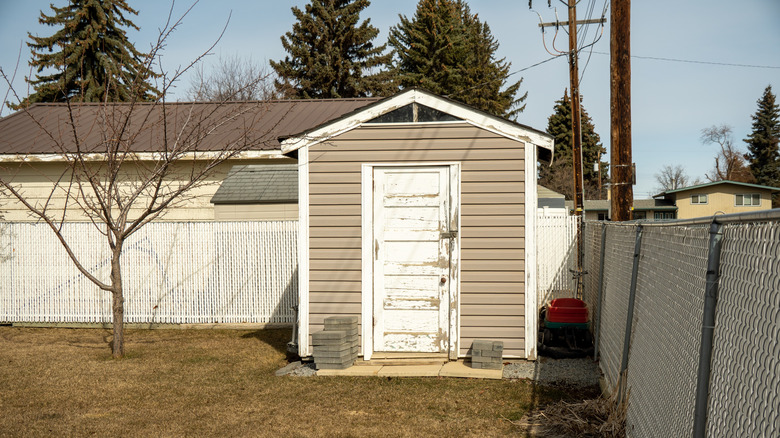
When you're in the market for outdoor storage units, like sheds or barns, the main consideration where sellers try to differentiate themselves is portability. A common rule of thumb is that an outbuilding is more likely to affect property taxes if it's considered a permanent structure. Buildings placed on a concrete or cement foundation or held in place through secure attachments qualify as permanent. Storage units outfitted with utilities, like electricity or plumbing (which almost always require permits), may also be viewed as more permanent because they indicate the owner's intent to use the structure long term. Basically, if a backyard shed increases your resale value, which it most certainly would if it's well-maintained, you can probably expect an increase in your property taxes.
To reduce the likelihood of a higher assessment, some homeowners choose portable or prefabricated units or leave the outbuilding resting on skids or beams rather than attaching it permanently. However, here's where things get complicated, as not all states make a distinction about affixation.
For instance, some counties in North Carolina and Texas consider certain outbuildings to be real property and include them in property tax assessments. Meanwhile, when a homeowner contested a property tax assessment in the Commonwealth Court of Pennsylvania, the court accepted it. His outdoor shed wasn't permanently attached to his house nor had any running utilities, thus didn't meet the requisites of being a real property as defined by the county law.
How big is the outdoor unit, and does it require a permit?
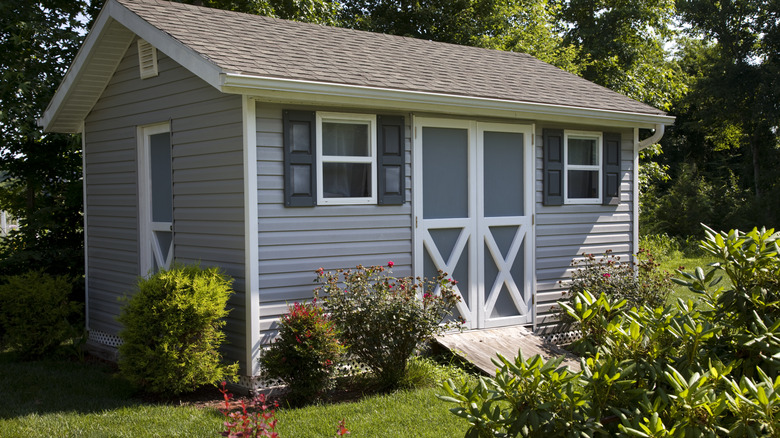
Size is another factor that can influence your property tax liability. While cities like Frisco or Fort Worth require permits regardless of size, others exempt sheds below a certain square footage threshold, even if they're built on a concrete slab. These limits can be as little as 100 square feet, like in Nashville, or as high as 200 square feet if the building code is set to the latest International Residential Code (IRC).
The point is, once you apply for a building permit, your local building department has a record of the project. Depending on local procedures, the property may later be reassessed to determine whether the new structure affects its assessed value, which could increase property taxes. Even when permits aren't involved, since assessment officers make regular field visits, they're sure to spot any newly built, large outbuildings. So, if you're hoping to leave your tax liability untouched, remember there are benefits of small outdoor storage sheds, as not many counties bother with them. Otherwise, you can also switch to an outdoor closet, which is an affordable outdoor storage alternative that adds tons of style for any size garden. Even if a permit isn't necessary, the unit may still be subject to HOA rules, zoning regulations, or local building requirements. Conversely, some rural counties have adopted fewer building code requirements than more urban areas.