

The US States That Are Considered The Worst For Ticks In 2026

Is tick season actually worse this year? This could be the case depending on where you live in the US. According to insightful data from MyWild, Northeastern and Mid-Atlantic states are at a high risk for Lyme-disease-carrying ticks right now. The list includes the following: Connecticut, Delaware, Maine, Maryland, Massachusetts, New Hampshire, New Jersey, New York, Pennsylvania, Rhode Island, Vermont, Virginia, Washington D.C., and West Virginia. People living in these areas should be extra vigilant while outdoors and complete tick checks on themselves and on pets or kids after time outside. The goal is to catch ticks before they bite and attach themselves to the skin. This is when the risk for illnesses like Lyme Disease increases.
However, even if you don't live in a current high-risk zone, it doesn't mean you're in the clear. The above states are where the tick populations are really bad at the moment, but there are also moderate zones where you can just as easily encounter them. Midwestern and Southern states are considered moderate risk, while out west is currently considered low risk due to factors like dry heat and extreme temperatures. But as the weather changes, so can the tick activity levels. For states like Texas and California, the risk may vary depending on the area in which you live due to their sheer size and geographic diversity. Use MyWild's zip code search feature to check the danger level for your location based on the time of year and climate factors.
Why are ticks more prevalent in these specific states and regions?
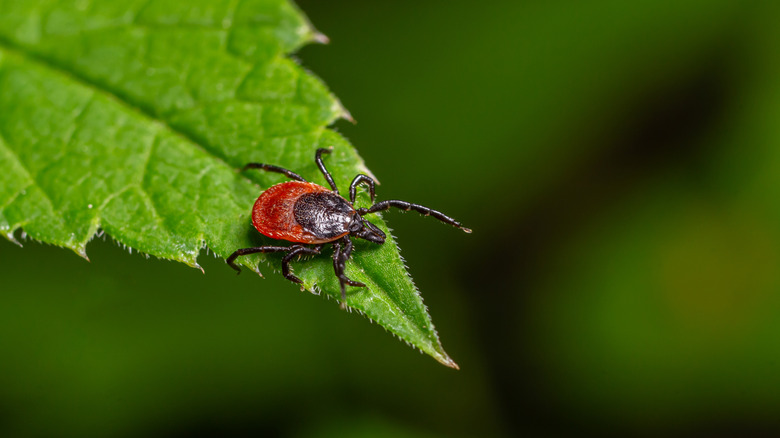
So, why is tick activity skyrocketing in the above states compared to those out west? The secret may lie in the weather. To put it simply, ticks need moisture to keep from drying up, and Northeastern and Mid-Atlantic regions offer the perfect humid-prone environment for them to look for hosts without desiccation risk. A 2017 research article published in PLOS One concluded that temperature and humidity levels could influence the activity levels of ticks. When there's low humidity and scorching temperatures, they have to take shelter under the leaf litter level, making you less likely to encounter them.
Ultimately, a variety of species are found throughout the US — even in California (western black-legged tick), but the weather conditions and adaptations will determine how active they are at a given time. It's always good to read up on the types of ticks found in your area, including their ideal habitats and disease risk. Minimize your exposure by avoiding going outside at the worst time of day for ticks, when humidity levels are high, and temperatures are at their lowest (they're more likely to tuck into moist pockets of soil or leaf litter in these conditions to keep from drying up when mid-day temperatures rise). If you do go out in the mornings and evenings, make sure to repel ticks by wearing bug spray, put on long sleeves and socks, and be mindful of where you tread. Stick to open, manicured walking paths whenever possible to avoid coming in contact with ticks perched on greenery and blades of grass.