

Here's What A Rainscreen Actually Is (And If Your Home Needs One)
As rainfall levels increase in multiple regions across the United States, more homeowners may be considering different strategies to protect their homes in the event of a deluge. The climate change-induced warming of the air brings with it a greater risk of rain, and water from rainstorms can get through a home's siding, causing hidden water damage to a home's walls. Rainscreens, which are thin pockets within a home's outer layer (known as cladding) allow water to dry, and encourage good ventilation after storms.
But as useful as they can be, rainscreens aren't necessary for everyone. Whether your home needs a rainscreen depends on the local climate and your budget for construction or renovations. Even if you don't add a rainscreen to your home, know that there is some inherent rain protection built into the standard construction process.
To comply with building codes, homes must have water-resistant barriers (WRB) designed to keep out rain and snow. Rainscreens, if needed, go in between a home's siding and this barrier. If you're building without a rainscreen, it's recommended to use barrier material that's drainable. These types of house wrap incorporate wrinkling or mesh to create gaps water can flow through.
Reasons to install a rainscreen on your home
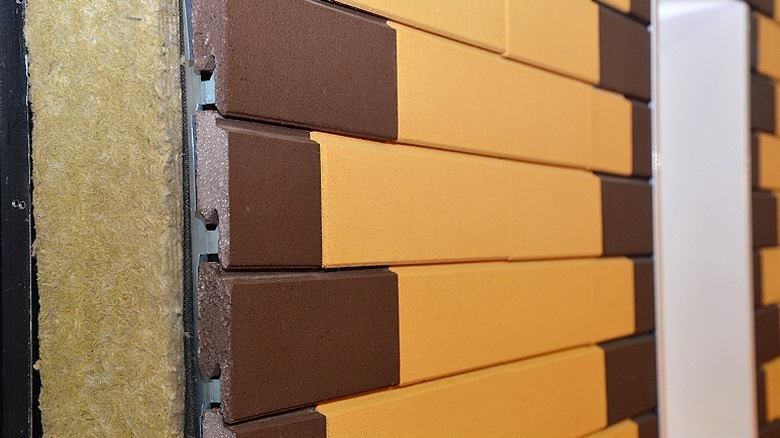
Your address is a key factor in determining whether you need a rainscreen. They're particularly important (and potentially required by municipalities) if you live on the east coast, where preparing your home for hurricane season is a must.
The kind of exterior of your home also matters when you're considering whether or not you need a rainscreen. Today, homes with stucco siding over wooden sheaths in eastern, midwestern, and west coast states are required to have drainage features (like rainscreens), according to the International Building Code. If you live in a drier climate, however, a rainscreen is an extra protective measure you might forgo. Installing the systems can add several thousand dollars to your siding installation budget, and while the investment is well worth it in wetter climates, some builders in arid regions may decide not to shoulder the cost.
Of course, though, it's not just requirements that drive people to choose rainscreens. These systems help to preserve a home's exterior as well, which, in turn, can improve indoor quality of life. Again, rainscreens allow air in, and encourage rainwater to drain out the bottom of the gap, rather than let moisture remain. This moisture can turn into lingering dampness and potential mold growth.
Rainscreens also keep homes standing for longer, protecting against the structural damage trapped water can eventually cause. Since your siding material will last longer, the savings may offset the price, which can be between $2 and $8 per square foot, adding up to 10% onto the cladding's cost.
Rainscreens for in-progress or existing homes
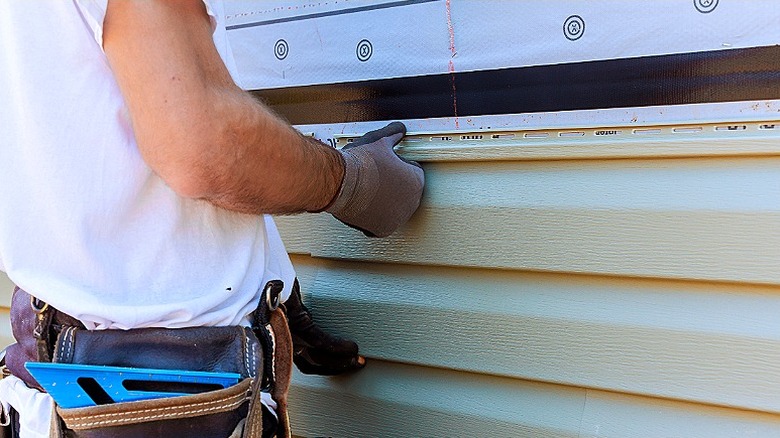
The particulars of putting in a rainscreen vary based on whether you are building the home from scratch or adding it on later. If you have rainy conditions to guard against, omitting a rainscreen is something you'll regret after building a new home.
Look for a cladding manufacturer that incorporates a rainscreen into its product. There may be a choice of materials for components like vertical spacers known as "furring strips." The screen should be installed after the weather-resistant barrier is already in place.
Adding on a rainscreen to an already-built home, meanwhile, is what's known as a retrofit. Maybe your home has suffered water damage, climate conditions have changed in your area, or you want to consider a different type of house siding and take the opportunity to upgrade the rain protection as well. Of course, the outer layer has to be removed before the rainscreen is installed in this case.
Still, it's best to find a manufacturer or installer that can coordinate the rainscreen along with the siding, so that it functions as a complete system. Once it's installed, you'll want to inspect the system periodically to make sure it hasn't been damaged or clogged with debris over time.