

For A Shed Free Of Moisture & Pests, Build It Norwegian-Style And Never Go Back
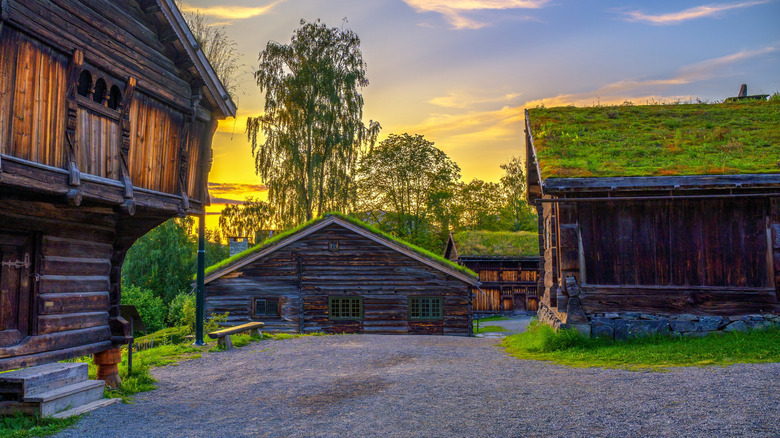
Finding the right storage solution can be a more difficult decision than it might originally seem. If all you need is a roof to protect your outdoor tools from the elements, maybe you don't need something fancy. But ultimately, no matter what you are storing, moisture and pests can do some serious damage. What's even more disheartening, is that some shed styles promise to provide a viable solution for these problems, only to result in failure on at least one of those points down the line. If moisture and pests are a concern, instead of trying the standard shed styles that you can find at your local hardware stores, consider the long-term investment in a Norwegian-style shed: the stabbur.
A stabbur is a traditional shed style that originated in Norway on farms that is built to be elevated on raised pillars with the purpose of storing valuable items. The climate in Norway is pleasant in the summer, but the winters are wet and cold, especially around the coast, which means water-tight storage is essential for food, seeds, or delicate items that could easily be damaged by any presence of water or moisture that breeds mold. The same holds true for the presence of rodents that could eat through your items, create nests, or leave droppings that spread disease. In addition to being raised on pillars, the stairs to a stabbur are disconnected from the main structure, with a gap large enough to deter pests from climbing up.
How you can benefit from a stabbur shed in your yard
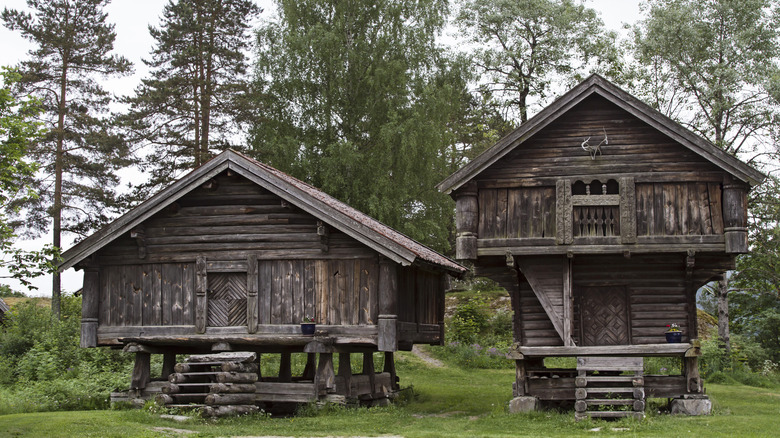
A stabbur shed has many of the same benefits of small outdoor sheds, such as providing a secure place to store outdoor items and raising property value, but a stabbur also provides a unique style and an additional layer of protection. This traditional storage structure might be best for folks who live in cold, overcast, and boggy northern climates — similar to that of Norway. If you live in an area where snow or heavy rains tend to pool around the lawn, a stabbur's raised design could keep your backyard essentials safer. The elevated floor platform increases airflow and prevents moisture from seeping into the space and damaging your things. These protections were the basis of the original design meant to protect foods from the elements, but they can be equally helpful when storing metal tools, wood, furniture, textiles, and other materials affected by humidity.
Stabburs were traditionally designed for food and valuables, and some had hooks to suspend meats, cheeses, and other foods from the ceiling. For modern day applications, this storage concept can still be an outdoor feature that makes every gardener's life easier, especially if you grow and store your own produce. In cool climates, canned and preserved foods can be kept on shelves within the stabbur, and hanging racks are still useful for drying garden herbs and spices. Stabburs are also a great place to store seeds ahead of the next growing season. With a tall enough platform and detached stairs, mice, chipmunks, and squirrels should quickly give up trying to access your precious garden bounty. Some Norwegians even treated their stabbur as a guest house, so it could provide extra space for large families!
How to acquire a Norwegian-style stabbur shed
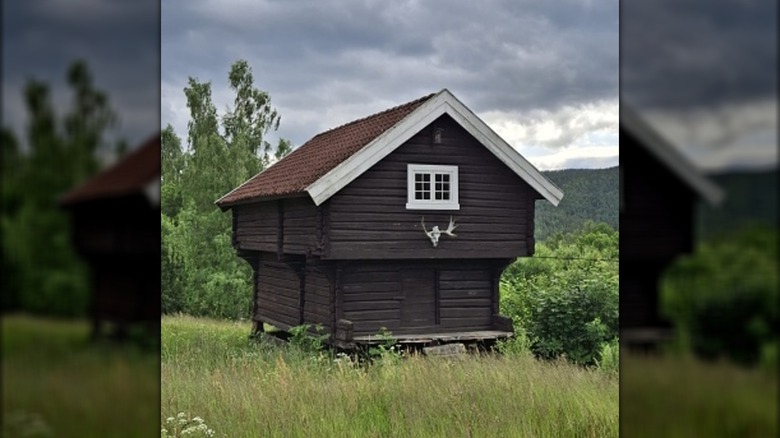
Even with all these benefits, stabburs are not common in the United States. In fact, a 2026 article from CBS News featured a 40-year-old stabbur in Minnesota, which was sent from Norway piece by piece and remains one of the only ones in the United States. Ultimately, the traditional Norwegian style is very grounded in craftsmanship, which can make it challenging to consider as a DIY build. The construction uses rustic logs with the option for carvings and custom woodwork. Stabburs are usually small one-room sheds, the size of the storehouse was also used to indicate wealth, so some can be quite large with lofts or second floors. The building should sits at least 1 meter off the ground, with an upper portion that overhangs the bottom and a durable, leak-proof roof.
Unfortunately, a stabbur is not something you can find prefabricated or order from a pop-up-shed construction website. If you know someone in construction or have some skills yourself, with some research and effort, you could take on the build yourself. Otherwise, you may be able to find a contractor in your area that builds custom structures and is willing to work on a stabbur-style design. Once you have your Stabbur installed, you can incorporate simple shed organization tips to keep everything even more protected, such as using shelves and labeled storage.