

Carbon Steel Vs Cast Iron Cookware: What's The Difference?
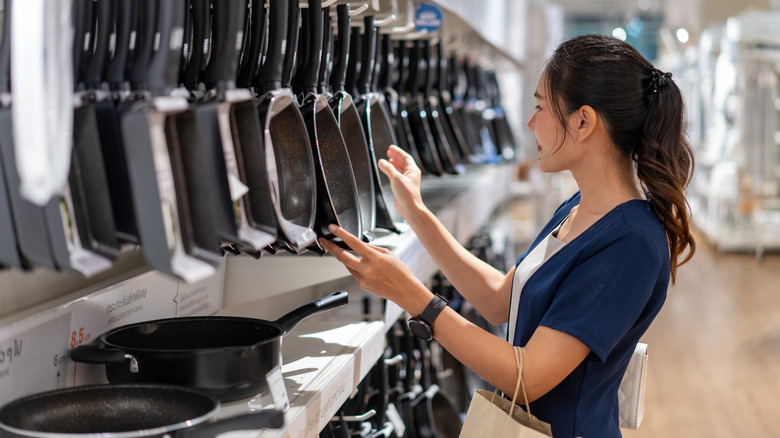
Every chef, from professionals to those of us who cook at home, knows the importance of high-quality cookware. One of the most popular materials for cookware is cast iron. Cast iron is durable, and with proper use and care, it can last a lifetime and get better with age. But there's another skillet material, popular among professional chefs, that's growing increasingly common in home kitchens: carbon steel. Both offer durability and versatility, but each suits different cooking needs.
Carbon steel and cast iron are both heavy-duty materials built for decades of use, but each suits different cooking needs. Carbon steel is thinner, lighter, and quicker to heat than cast iron, while offering many of the same advantages regarding toughness and longevity. It's also a great choice for cooking things like stir-fry and fish. Cast iron is generally more affordable than carbon steel cookware, though, and may still be a better choice for applications such as baking. Which of the two is the best choice for your kitchen depends on what you need your cookware to do.
Reasons to add carbon steel to your kitchen
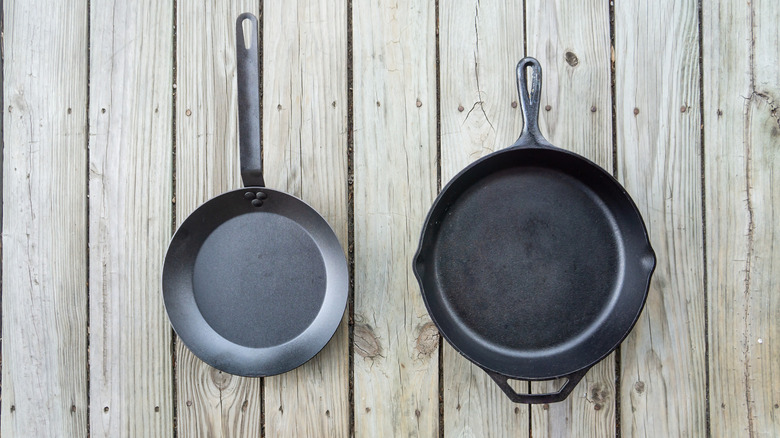
Unlike cast iron, carbon steel is typically stamped, resulting in a thinner, lighter material with a smoother surface. If you're tired of having to use both hands to lug your cast iron skillet around the kitchen, carbon steel can be easier to maneuver during cooking. Just bear in mind that carbon steel isn't exactly light. Although it's less cumbersome than cast iron, it's still heavier than something like aluminum cookware. This also makes carbon steel safer to use on glass stovetops, where heavy cast iron can cause damage.
Another advantage of carbon steel's thinner construction is that it heats more quickly and cooks more evenly than cast iron. This makes a carbon steel skillet ideal for foods that are prone to burning and for meals that require quicker temperature changes. A few examples of where carbon steel can shine are sautéing, searing meat, and stir-frying vegetables (which is why woks are commonly made from carbon steel). Furthermore, the smoother surface makes carbon steel a better option than cast iron for frying sticky foods like fish.
Finally, carbon steel can be easier to clean than cast iron thanks to its smoother surface and lighter weight, however, the steps are practically the same: wash with a mild soap and water, dry immediately, apply a thin coat of oil, and you'll be ready for your next cooking session. Be sure to remember that carbon steel and cast iron cookware should always be hand washed and never go in the dishwasher.
When to stick with your trusty cast iron
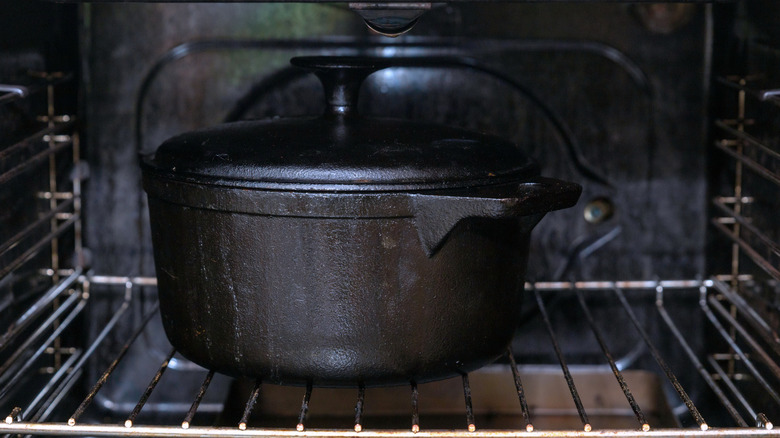
However, if you already have cast iron cookware that you love, you may not be compelled by carbon steel's advantages. One consideration is cost. Cast iron is typically cheaper than carbon steel, and quality U.S.-made cast iron cookware from brands like Lodge can be quite affordable. Additionally, there are some things you can do with a cast iron pan that you can't do with a carbon steel skillet.
Traditional cast iron skillets have deep walls, making them ideal for baking things like cornbread, rolls, or deep-dish pizzas in the oven. In contrast, most carbon steel skillets feature a more traditional pan-like shape that makes them less suitable for this. Furthermore, cast iron cookware isn't limited only to skillets. Dutch ovens and stovetop griddles are popular and perfect for cooking things like bread, roasts, and pancakes. Carbon steel options for these are fewer and often much more expensive.
The last point to consider in the carbon steel versus cast iron debate is seasoning. Cast iron is more porous than carbon steel, allowing it to better absorb oils from cooked foods. Over time, cast iron cookware (especially skillets and griddles) will develop that coveted natural non-stick coating that makes cast iron skillets so famous. You can absolutely season a carbon steel pan, but its less porous surface means the skillet's seasoning is less permanent and more likely to be stripped off by washing or cooking acidic foods. If seasoning is a priority for you, cast iron has the edge.