

Do Coffee Grounds Help Zinnias?
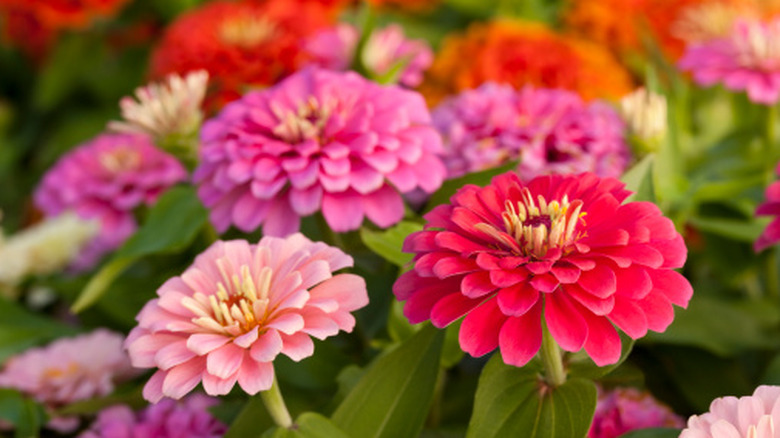
Zinnias (Zinnia elegans) are bright, sunny annual flowers that are relatively easy to grow. These beauties are heat- and drought-tolerant, thriving in just about any garden. With just a little TLC, you can enjoy their blooms all summer long. The plant is the perfect option to include in a cut garden or along a border. Zinnias benefit from supplemental nutrients as seedlings and as they begin to flower, which can help produce more prolific and larger blooms.
Some gardeners reach towards kitchen scraps as an easy, cost-effective fertilizer. Coffee grounds are one example that often comes to mind. Plenty of gardeners swear that plants thrive when you add coffee to their soil. For zinnias, coffee grounds can help, but perhaps not in the ways you might think.
Coffee grounds are often touted as an amendment to increase soil acidity, but this isn't exactly accurate. After brewing, coffee grounds have a pH of about 6.5 to 6.8 — nearly neutral — not enough to support plants that do well in even slightly acidic soil like zinnias. Coffee grounds do contain small amounts of nitrogen, potassium, and phosphorus. Zinnias can benefit from these components. However, adding these nutrients to the soil is only part of the benefit. Coffee helps improve soil structure more than anything. This kitchen scrap feeds microbes that can in turn transform soil into a more stable, well-drained substrate. But this process can temporarily deplete soil of nitrogen while it breaks down. If you want to use coffee grounds to support your zinnia, you will need to take a few steps first.
How to use coffee grounds to help your zinnias
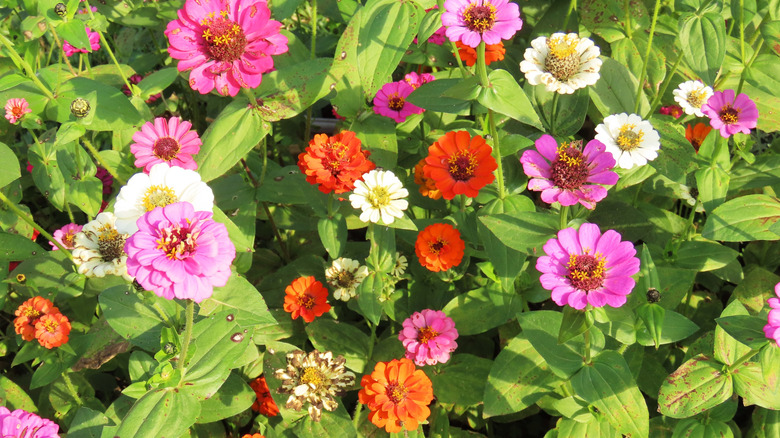
Coffee grounds serve you best if you compost them first. Don't overdo it: To get the best out of this DIY soil amendment, mix one part used coffee grounds with one part grass clippings and store them somewhere like a pile or compost tumbler. After 3 to 6 months, the compost will be ready to use. This soil amendment will create better soil conditions for plant roots and microbes, adding rich organic matter to your garden bed. To achieve the healthiest foliage and most brilliant blooms, zinnias still require fertilizer. These flowers in particular crave phosphorus. If you're still hoping for a homemade fertilizer solution, try a DIY bone meal fertilizer.
Start with a pile of animal bones from chicken, pork chops, or steak. When you're ready to process, boil the collection of bones for 45 minutes. Next, lay them out and allow them to cool down before scraping off any residual meat. Then, bake the bones at 400 to 450 degrees Fahrenheit for about an hour or until the bones are brittle. Place the dry bones in a bag and smash them to pieces with a hammer. Finally, grind up the bone fragments in a food processor. And just like that, you have a phosphorus-rich fertilizer your zinnias will love! This is a far better fertilizer option than coffee grounds.
Fertilizer is just one important aspect of how to grow and care for zinnias successfully. Be sure your plants receive full sun and moderate water. To keep blooms coming all summer long, pinch off your first set of blooms and continue to deadhead spent flowers. Between coffee ground compost for better soil structure, bone meal amendment for fertilizer, and proper care, your zinnias should thrive!