

Bad Habits You Must Break If You Use A Riding Lawn Mower
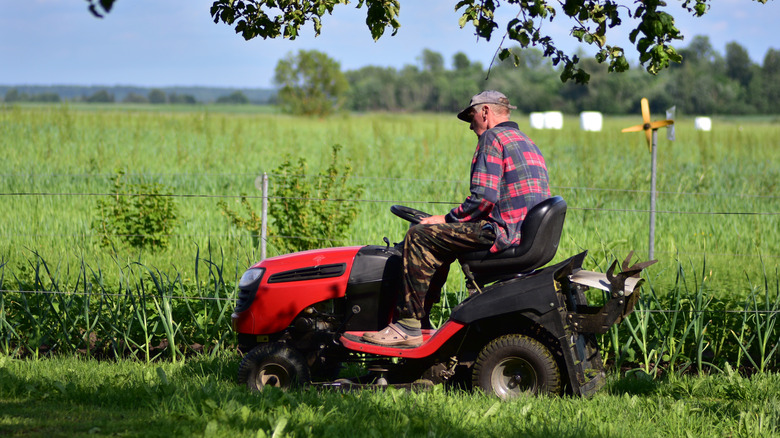
Riding mowers of all sizes serve as powerful tools for lawn care. And whether you have a big or a small one, your riding mower will likely last longer if you take care of it properly, including following recommended operation procedures and regular maintenance. Deviating from proper operation, like leaving fuel in the tank too long may lead to big trouble down the line. When you consider how much a decent riding lawn mower costs, you definitely want to protect your investment by breaking yourself of bad habits that can lead to issues.
Some improper practices associated with riding mowers can also be dangerous in terms of safety. It's important to avoid certain bad habits and nip them in the bud before you wreck your mower or cause yourself or others serious injury. Replace an improper action with the right behavior, like changing how you operate a riding lawn mower on hills or inclines for optimum safety. Next time, think again before doing anything that could be harmful to you, others, or your lawn mower.
Mowing without surveying your yard first
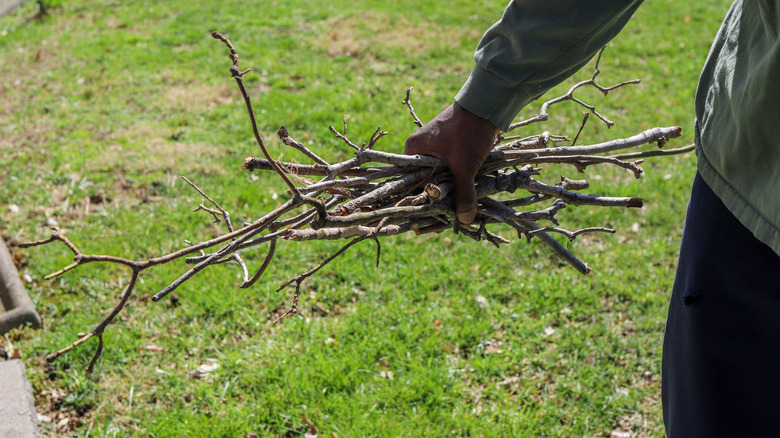
One of the worst habits you can get into with a riding mower is not checking out your lawn before you start mowing. If you never stop to check things over, you are going in blind to your surroundings. The result is that you may not be aware of obstacles like tree branches or toys. Once you start mowing on a riding mower, you may not see these obstacles from your higher vantage point before it is too late and you have run them over. If you are not careful, it could result in serious damage to your mower. Plus, small objects can be a risk to safety if they fly out past the blades.
Instead, take a minute and survey your entire yard for any obstacles or disturbances before you begin mowing. This does not necessarily need to be an extended survey. A cursory look will help you see branches or twigs to pick up or errant stones to grab. Plus, by checking the terrain beforehand you can flag potential hazards like wet spots in your yard (which can lead to instability when driving). You can also check for things like pipes or buried rocks that you should avoid or else ruin your mower deck. Another common obstacle to address prior to mowing are low-hanging tree branches.
Mowing hills and inclines sideways
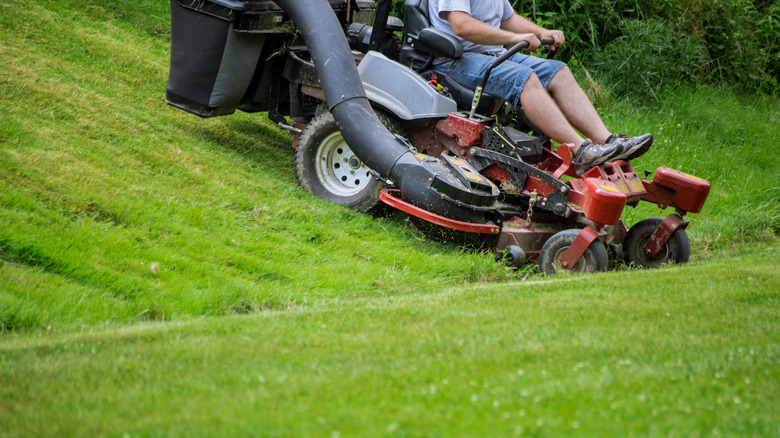
Pay attention to how you mow certain parts of your yard. Some lawn mowing habits may put your life at risk, such as mowing hills and embankments from side to side on a riding mower. This is the proper method when using a push mower, but the opposite is true with a riding lawn mower. Overturns on steep slopes are more likely to occur when mowing in this manner. If your riding mower overturns, you may either become pinned underneath or get caught in the blade of the mower.
Break this habit immediately by adopting a better, safer method. You can learn how to mow your lawn on a steep hill the safe way easily. Instead of mowing sideways, mow up and down the hillside to avoid tipping the machine. Riding lawn mowers are very top heavy. Mowing up and down the hill decreases the time spent mowing at a sharp angle. Finally, do not suddenly stop and start while driving up or down a hill.
Operating a riding mower near playing children

A riding lawn mower is a piece of heavy equipment. Even smaller models weigh over 300 pounds. Operating heavy equipment in the same area as children or pets is extremely dangerous. It is a very bad habit to mow near where children are playing, even if you think that they will stay away. Small children may not fully understand the danger of the large wheels and the large blade. Plus, the loud noise of the machine makes it nearly impossible to hear an approaching child or pet, such as when you reverse the mower. Break this habit to avoid injuries related to runover incidents.
The better course of action is to always avoid mowing in areas where children play. For example, if your kids are outside in the backyard, try mowing in the front yard first. Or you can simply ask your kids to play inside or in the garage while you finish your lawn chores. Along with not operating the riding lawn mower with children nearby, you should never allow young children to use a riding mower or ride with you as a passenger.
Leaving old fuel to sit in unused mower
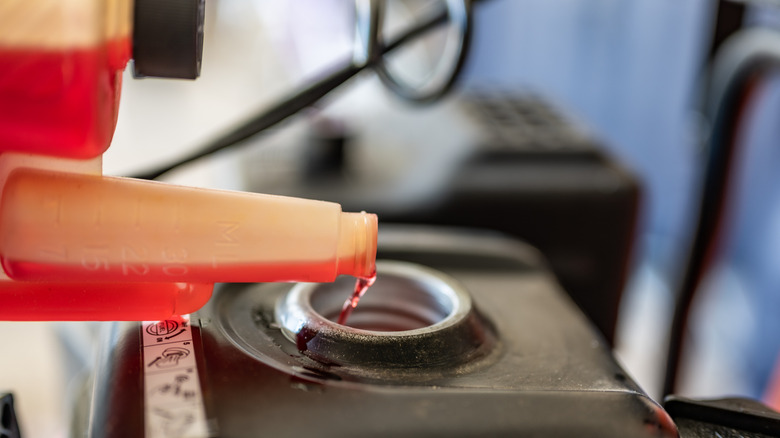
If you own a riding mower, one of the worst habits is leaving old fuel behind in the tank. Stagnant fuel that contains ethanol is a recipe for disaster in a mower. If you let it sit too long, the gas may start to damage the machine. This habit can be your downfall if you often spend more than a month without using your riding mower. Storing your riding mower away for the winter season without draining the fuel or stabilizing it can lead to a dirty carburetor that requires professional intervention.
Instead of letting old fuel sit in the mower where it starts to damage your machine, use a stabilizer that you can put directly in the tank. This helps during times when you must leave gas in the fuel tank without using it all up right away. Another good habit to have is knowing when to drain the fuel before putting your riding mower in storage. In general, it's good to drain the fuel entirely if you plan to not use the riding mower for more than three months.
Wearing inappropriate clothing or shoes while mowing
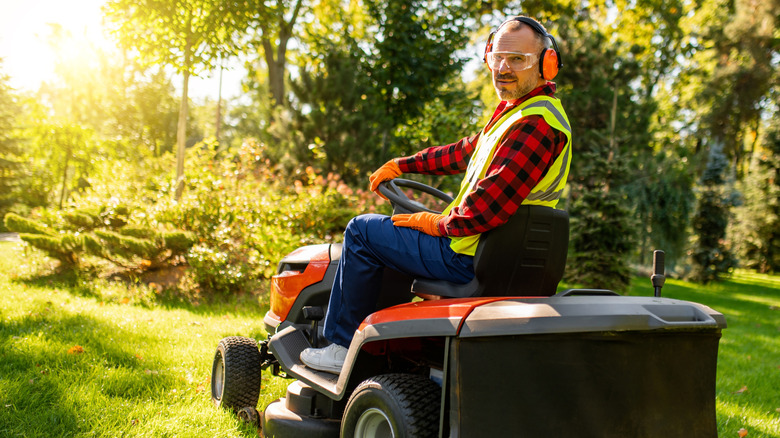
It might be very comfortable to do lawn chores wearing whatever you feel like. If it's hot and sunny, perhaps you throw on your short sleeves and shorts before grabbing your sandals. But it's actually a bad habit to wear whatever you please while using your riding mower. Inappropriate clothing, including open toe shoes or short pants, leaves you unprotected from hot elements on the mower and potential injury from the blade. Going bare foot while on your riding lawn mower is an especially dangerous habit, too.
It's highly important that you follow certain lawn mower safety tips everyone should know so that you do not injure yourself while operating your riding mower. One of the most fundamental safety tips is to wear the right kind of protective clothing while operating lawn equipment. Wear long pants to protect legs, making sure they are not too baggy to avoid getting caught. The best shoes to wear are steel-toed boots, but at the very least do not leave your feet exposed near the blade or any hot elements.