

The Easy-To-Grow Garden Addition That's Great For Resisting Deer
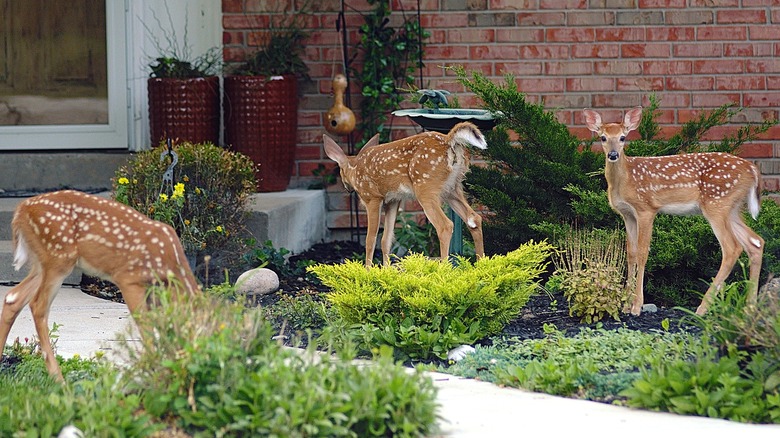
There are few experiences quite as memorable as stepping into your backyard and seeing that a deer has decided to pay you a visit. However, this situation can easily lose some of its appeal once you realize that said deer is in fact turning your garden into its own personal buffet. Deer often visit gardens in search of food, and frequent grazing can take a toll on your prized plants. Fortunately, there are several deer-resistant plants that you can add to your garden, like nodding wild onion.
Also known as lady's leek, the nodding wild onion (Allium cernuum) is a perennial onion native to North America. It's both low maintenance and easy to grow, making it a perfect plant for beginner gardeners struggling to add color and life to their deer-prone garden. This plant blooms throughout the summer with fragrant flowers in pink, purple, or white; what's more, it attracts pollinators, songbirds, and predatory insects – all while being resistant to deer.
As a result, whether you're looking to start your own pollinator garden or simply add a splash of color while keeping deer at bay, nodding onion can be a beneficial addition. As easy as this allium is to grow, however, it still benefits from having the right type of care. This is especially true if you do want to take advantage of its eye-catching, pollinator-friendly blooms. Thankfully, learning to grow nodding onion can be as simple as familiarizing yourself with its USDA growing zones (4 through 8), sunlight requirements, and other key care essentials.
Growing deer-resistant nodding wild onion bulbs
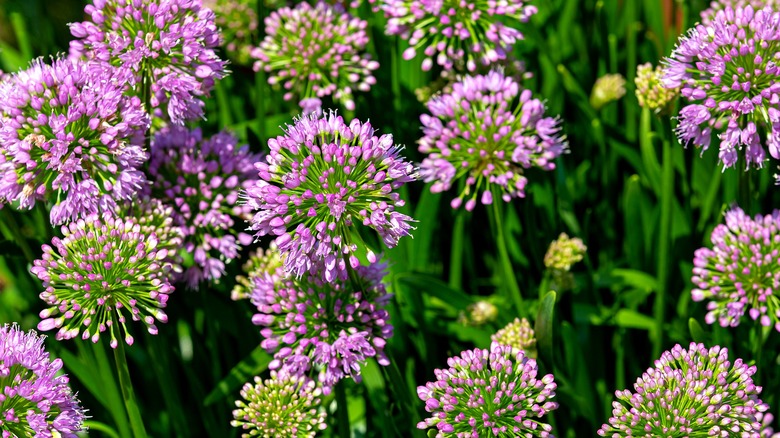
Because nodding wild onion is a perennial bulb, the first thing you'll want to learn is where it can be grown as such. Not every region has the climate to support this deer-resistant plant, and if you plant it somewhere with too cold of winters, it may not return the following growing season. Nodding wild onion is hardy in USDA zones 4 through 8.
Aside from its zones, note that nodding wild onions are fairly resilient and adapt well to various conditions. Along with grazing deer, it's resistant to drought (once established) and poor soil, though it does have soil preferences, such as being moist with good drainage.
It also doesn't grow as well in acidic soil, so depending on your garden's soil composition, you may need to find ways to raise the pH to at least neutral. Because this plant also prefers nutrient dense soil, you could also use a DIY wood ash fertilizer to boost pH and soil health. As far as sunlight goes, nodding wild onions can thrive in both full sun and partial shade.
If you're growing nodding wild onion specifically for its deer resistance, there's one small asterisk to keep in mind: It's not entirely foolproof as a deterrent. Young nodding onion especially is susceptible to grazing deer. As a result, until the plants mature and become less appealing to visiting deer, you might prefer to start them in a protected area where the tender plants can thrive and grow without ending up on a visiting cervid's menu.