

How To Identify A Spider Bite And Figure Out What's Living In Your House
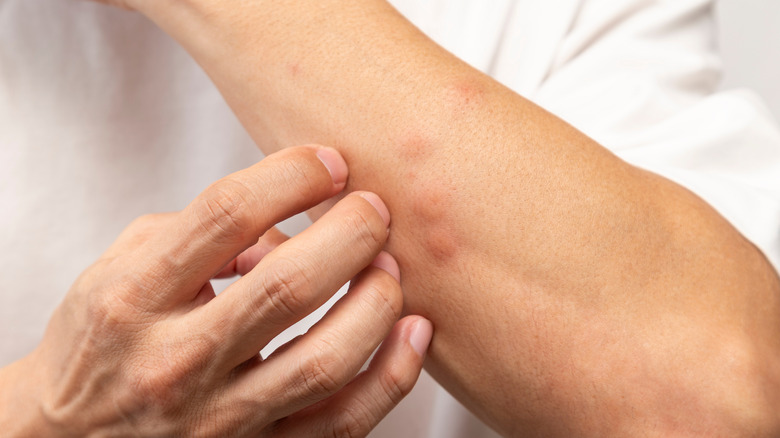
Bug bites are never fun. They are itchy, painful, and can lead to annoying symptoms and diseases. Spiders and their bites are sometimes the most terrifying to people, even over mosquitoes and ticks. Despite this, the majority of species are nonthreatening, and the chances of them spreading diseases are basically nonexistent. Still, there are some venomous species whose bite can cause severe pain and potentially more serious symptoms. That's why, when you find yourself with a bug bite in your home, you want to know if it was a spider, and if so, what kind. While it's not easy, the number of punctures and symptoms can help you determine if the itchy bite on your arm is actually from one of these eight-legged bugs.
Spider bites are pretty simple to tell apart from other insects, especially once you know what you're looking for. First, consider the season. You can get bitten at any point. However, the chances may be higher in autumn — the time of year that brings the most spiders into your house. Then consider the bite itself. With some species, you'll feel the sting right away. Afterwards, it may take a few hours for any redness or swelling to appear. However, you won't always feel the bite. In these cases, the best way to tell is to look for two punctures in the center of the bite. You'll also want to look at some other signs and symptoms to identify the species that bit you.
Identify if the bite is from a dangerous spider species
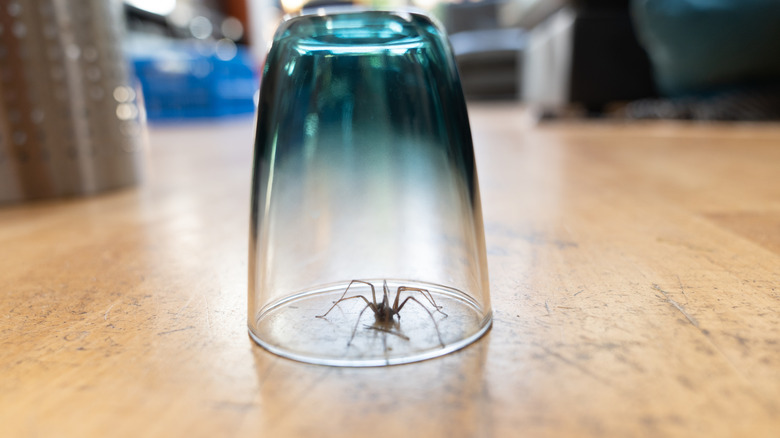
If you've managed to confirm it's a spider that bit you, the next step is to try to figure out the species. The best way to tell is from the symptoms. Most spiders that attack you have venom, but this doesn't necessarily mean they are dangerous to your health. With most species, you'll likely only notice swelling, itching, and a red welt, if that. They can easily be confused with insect bites, or even a skin infection, like MRSA.
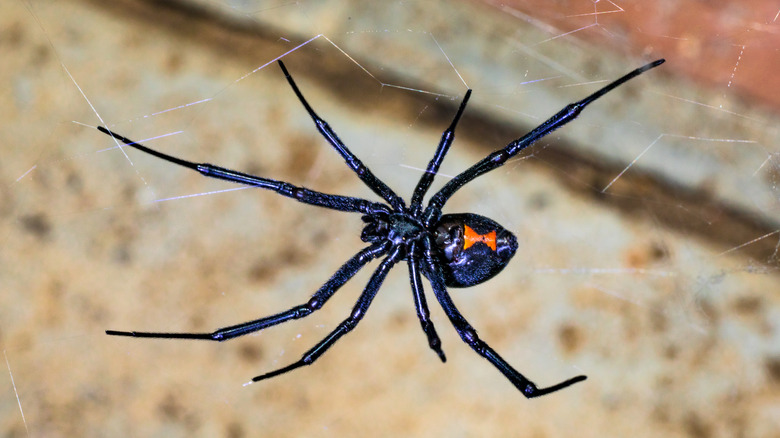
Generally, it's just the dangerous spiders that you need to worry about. Thankfully, in the U.S., there are only roughly 12 to be concerned with, and pretty much all of them fall into two categories: widows (Latrodectus spp.) and brown spiders (Loxosceles spp.). This includes the two spiders you absolutely do not want to find in your garden or yard – black widows and brown recluses (Loxosceles reclusa). Their bites, unlike some others, have rather specific symptoms and welts.
If you see two distinct marks and start noticing extreme pain all over your body, radiating from the bite, along with symptoms such as sweating, difficulty breathing, nausea, and vomiting, this may be from a species of widow. Brown recluse bites come with extreme pain, are flat or sunken in, and a lot of inflammation that develops over a few hours, along with a nasty sore.
The next steps to take if a spider in your house bit you
Outside of these two species and their cousins, you might have problems identifying the average spider bite. Thankfully, unless other symptoms start appearing, you don't usually have to know the specific species besides these two. After all, many are beneficial spiders you may not want to kill in your home. If you do just want to have a better idea of what may be in your home, you can try to narrow down potential suspects by keeping an eye on the spiders you commonly notice around, the kinds of webs you can see, and which are common in your state.
For most spider bites, use some ice to reduce swelling, take an antihistamine to reduce itching, and wait it out. The worst of the symptoms should appear within 24 hours or so, with them disappearing in just a few days, as long as no infection occurs. Even if you find out it was a species in one of those two dangerous categories that bit you, you don't need to stress too much. In the United States, fewer than three deaths a year come from spider bites, according to the Boston Children's Hospital.
However, if you notice other symptoms, like spreading pain, cramps, headaches, and blisters, you need to go to the doctor. Children and people who are allergic to spider venom should also not hesitate to seek medical help, as they are more likely to suffer severe reactions.