

Think Twice Before Planting This Pest Deterrent If You Have Pets

If you've been dealing with the problem of mosquitoes on your property but prefer to opt for natural solutions, then you may have come across citronella grass (Cymbopogon nardus (L.) Rendle). This perennial grows well in Hardiness Zones 10 to 12 and contains essential oils that cover up your scent, making you less appealing and harder to locate for mosquitoes. This plant's thin, bright-green foliage can also grow very large — about 6 feet in height and 4 feet across — so it's a desirable addition to a garden for both repelling bugs and keeping your garden looking full without having to buy lots of different plants.
However, citronella grass is one mosquito-repelling solution that you may want to avoid if you have pets. This is because some animals like cats and dogs can experience intestinal discomfort and skin irritation when they come into contact with citronella grass. So, if you are keen to have this plant in your garden for its potential insect repellent abilities or its striking look, then it is important to carefully consider where to put it in order to keep your pets safe. Raised beds where your pets don't normally go or pots placed out of reach could both be good options. But if you still don't feel comfortable growing a plant that could be harmful to your pets, then don't worry. There are other pet-safe ways to help deter mosquitoes with surprising household items, like dryer sheets.
Pet-safe mosquito repellant plants
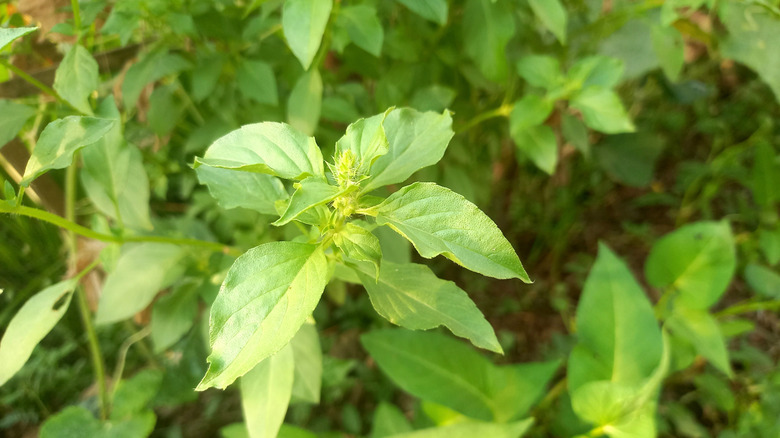
There are plenty of other plants that are reported to repel mosquitoes while still being safe to have around cats and dogs. Fragrant herbs such as lemon basil (Ocimum canum) — best grown in Hardiness Zones 3 to 11 — can be helpful for deterring mosquitoes, particularly in enclosed environments like sheds, greenhouses, and small yards. Remember, the scent of a plant plays a big part in concealing you from mosquitoes, so crushing some of the leaves to release the basil smell has been shown to make it more effective as a repellent. In Hardiness Zones 3 to 7, catnip (Nepeta cataria) is another option that is safe for dogs (as long as they don't eat it in large quantities) and loved by cats, while acting as a potential repellent to mosquitoes. The strong smell of the catnip plant triggers a mosquito's pain receptors, making it less likely to spend time nearby. Like with basil, try rubbing the plant's foliage between your fingers or crushing the leaves to help make the scent stronger.
Mosquitoes aren't just a pest to humans — pets can also suffer from mosquito bites and can even get diseases and Heartworm from them. So, in addition to planting aromatic species like lemon basil or catnip, you'll want to get rid of anything that could be attracting mosquitoes to your yard in the first place. Make sure you find and remove any places where stagnant water could be collecting on your property — such as old tires and plastic tarps or blocked gutters — because these can serve as common breeding spots for the insects. If you have some standing water you'd like to keep, such as a bird bath, pond, or water barrel, then make sure to regularly refresh the water to get rid of mosquito eggs.