

Skip The Bathtub Curtain: The Chic, Spa-Inspired Bathroom Design To Try Instead
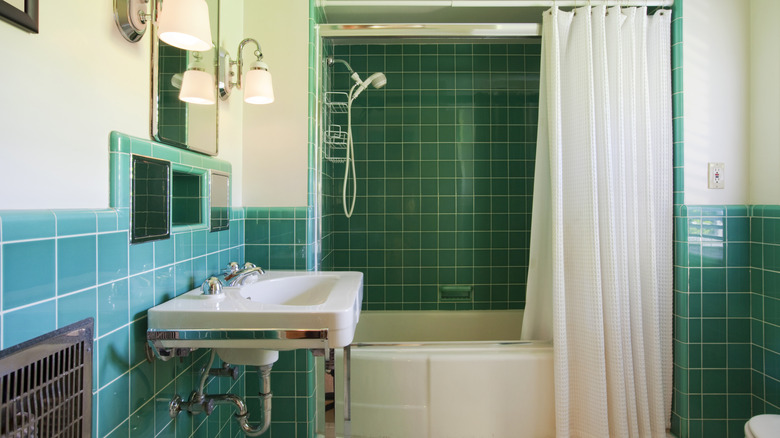
Undoubtedly, curtains are one of the most economical ways of adding a splash barrier around your shower-bathtub combo. They also give you ample privacy and make it easier for two or more people to share a bathroom simultaneously. Moreover, they're a brilliant walk-in shower idea for small bathrooms. However, you'll have to wash them often because soap scum buildup can harbor bacteria. They also remain perpetually wet, especially if ventilation is an issue. So, you'll have to use a household essential to clean mold off your shower curtain. Worse, they'll visually shrink your bathroom and might make it seem more closed off. Considering these cons, you should skip the bathtub curtain and try a chic, spa-inspired bathroom design instead: wet rooms.
It's superior to curtains since there's no break in the flooring and no visible barriers (besides a splash guard or half walls, though they aren't mandatory) between your shower-bathtub area and the rest of the room. This gives your bathroom an open layout, visually expanding its dimensions — a difficult feat to achieve when the square footage is limited. Wet rooms look great in a large area as well, giving it a spa-like finish. Plus, the entire room is remodeled to be waterproof during their installation. So, when properly installed and well ventilated, they're less prone to mold and mildew issues. The open layout can also help moisture dissipate more easily when the room is properly ventilated, reducing the risk of water-related issues. That being said, these benefits come with a much higher price tag than a bathtub curtain, making them an expensive upgrade. Their installation isn't entirely DIY-friendly, either, since mistakes here can be incredibly costly.
Wet rooms are a luxury bathroom upgrade
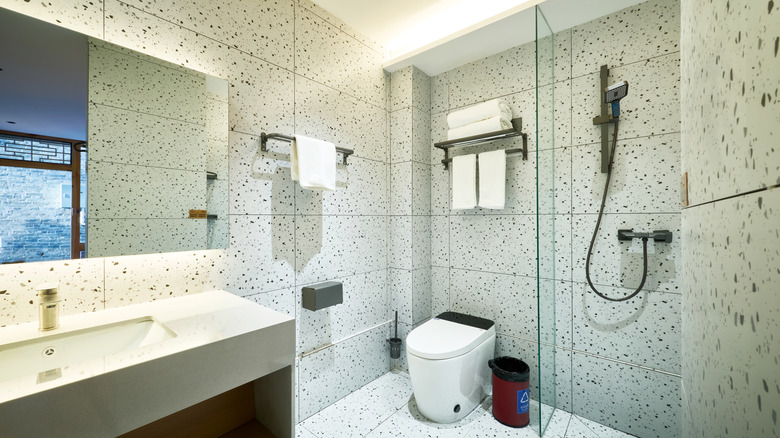
Besides expanding your bathroom visually, wet rooms offer other benefits, too. For starters, the open concept will let in more natural light if you're lucky enough to have windows in the room. As a result, it won't just look great, but you also may not need to rely as heavily on artificial lighting. Over time, this could slightly reduce your electricity use during the day. Plus, this master bathroom idea will make your space feel like a luxury oasis with its unhindered design and minimalist-style appearance.
Without a shower curtain drawing attention, your bathroom's hardware and finishes can stand out more. Your fancy shower head (think rainfall or ones that feature color-changing lights as well as soothing music) will also have more of a chance to shine. As for the flooring and walls, natural stone and high-quality tile are popular choices for creating a luxurious finish. Other high-end features, like a freestanding tub and double showers, become a possibility.
Additionally, these designs promote accessibility, which may appeal to future buyers if you decide to sell your home. And if it's your forever home, then you don't need to worry about tripping when getting out of the shower. This can be especially freeing as you age. The absence of a curb can be beneficial for your children (particularly if they're clumsy) as well. Your pets will appreciate them, too. Cleaning and maintenance are also easier, specifically if your bathroom is well-ventilated. Though you'll have to clean them regularly to maintain a pristine environment.
Things you should consider before installing a wet room
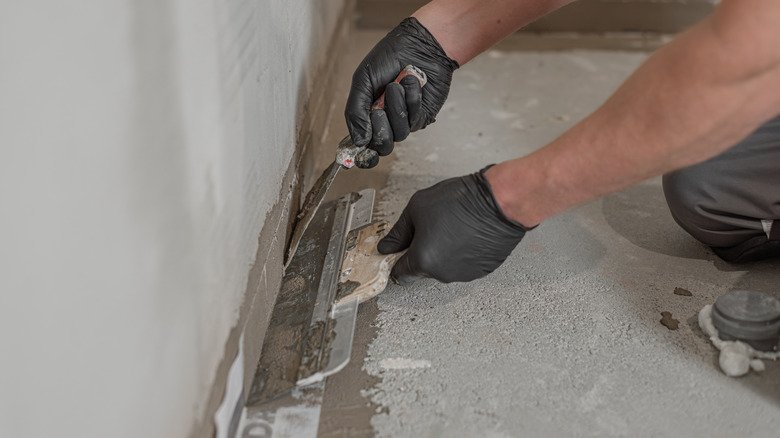
A wet room isn't considered a luxury upgrade for its looks alone. It comes with a matching price tag. On average, be prepared to shell out $13,000 if you wish to swap your regular bathtub curtains with a spa-like feature. It's so expensive because your entire bathroom, including underneath your floors and the backside of your walls, needs to be waterproofed. A slightly sloped flooring around the shower area and an efficient floor drain are a must, too, or water will start pooling around.
Since this is a specialized job, it's best to hire experienced professionals. And experienced contractors often charge relative to their experience. So, set aside at least 10 to 20% of your project estimate towards labor charges. Despite the high cost, don't undertake cost-cutting measures here if you don't want to invite mold or deal with leaks. The cost will, of course, go up if you have a bigger bathroom. Bespoke hardware, sumptuous flooring and tiles, and fancy shower heads will drive the cost higher still.
And though a lack of barriers will make cleaning easier, rogue splashes will have a higher chance of soaking everything around your shower area. So, your vanity or toilet, along with items placed on them (like makeup, hair dryer, and tissue paper), won't be safe. This will restrict your storage choices as well. Ventilation is crucial, too, with extractor fans being a necessity in small bathrooms to clear the steam after a hot shower. Otherwise, the room may stay damp for longer after each shower. You won't get any privacy, either, even if you get glass splash guards or half walls installed.